

Archive · 9 Aug 2025
Golkonda Sultans' Legacy: Inscriptions Found in Nellore
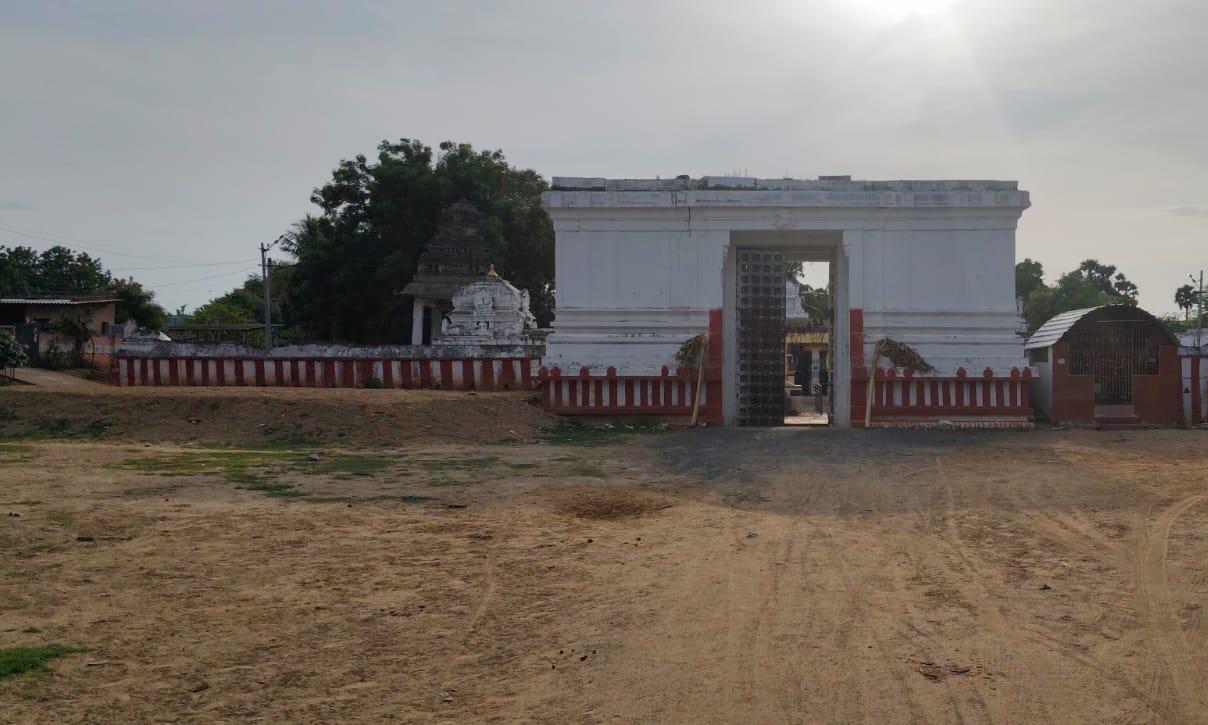
Long ago, from 1640 to 1688, rulers called Golkonda sultans governed an area named Nellore.
They built mosques and tombs, and wrote messages in Persian and Arabic that can still be seen today.
Some sultans were kind and helped the local Hindu people by giving them land or not making them pay taxes.
These rulers left behind special writings and buildings that showed that different groups of people lived together.
A book was made to keep records of what they did, showing how the past was complicated with good and bad things.

Golkonda sultans ruled Nellore region from 1640 to 1688, leaving a lasting impact.
Sultans constructed mosques and tombs, along with Persian and Arabic inscriptions in various locations.
Some rulers were tolerant of Hindu traditions, offering land and tax exemptions.
Inscriptions in temples and mosques show instances of cultural exchange and coexistence.
A book compiles inscriptions, highlighting the complex history of South India.
- Who
- Golkonda sultans and the people of Nellore.
- What
- Golkonda sultans' rule and its impact on the Nellore region.
- When
- From 1640 to 1688.
- Where
- Nellore region.
- Why
- To understand the history of the region, the cultural exchange, and the legacy of the sultans.
- Ruling Period
- 1640 to 1688
- Region
- Nellore
- Notable Structures
- Mosques, tombs, temples
- Languages of Inscriptions
- Persian, Arabic
- Historian
- Dr. Govindu Surendra
- Book of Inscriptions
- "A Collection of the Inscriptions on Copper-Plates in Nellore District."