

Archive · 23 Jan 2026
Air New Zealand Flight TE901 Crashes Into Mount Erebus
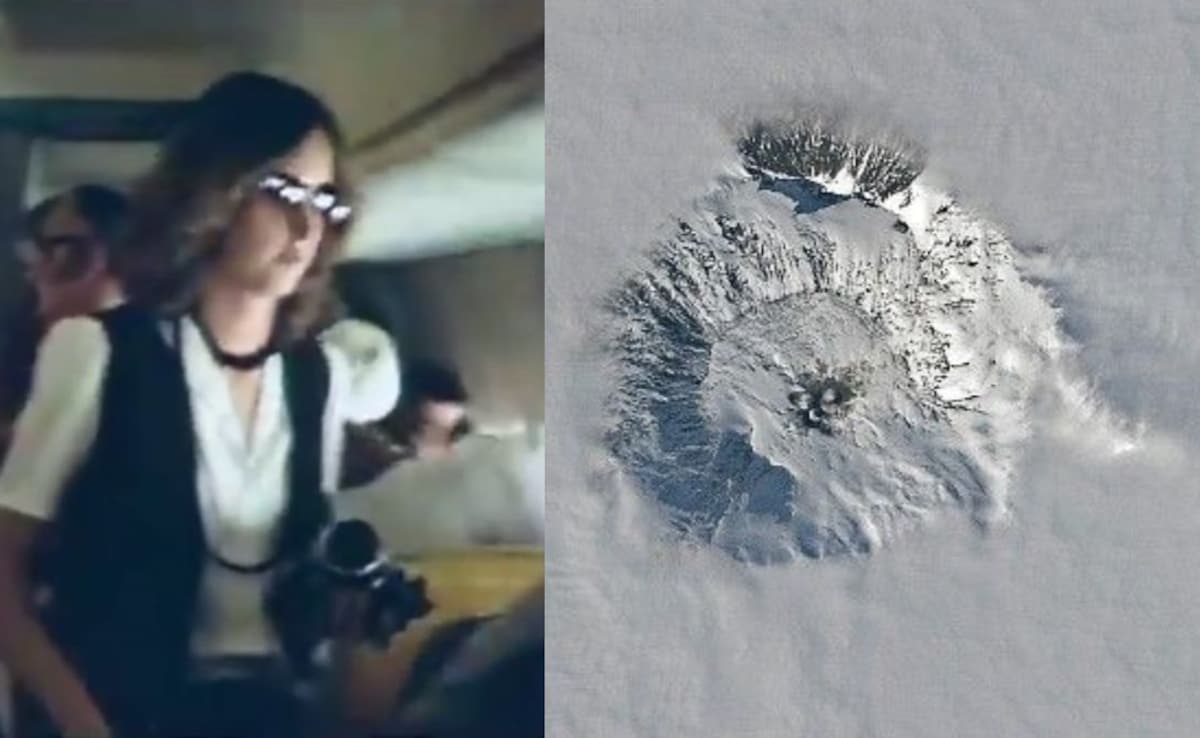
On November 28, 1979, Air New Zealand Flight TE901 was on a sightseeing trip to Antarctica.
The plane was supposed to fly over flat ice, but a small change in the flight path was not told to the pilots.
Because of a weather trick called whiteout, the pilots couldn't see the mountain.
The plane crashed into Mount Erebus, a big volcano, and everyone on board died.
This was a very sad accident, and it taught us important lessons about flying safely.
Now, planes have better tools to stop such accidents from happening again.

Air New Zealand Flight TE901 crashed into Mount Erebus on November 28, 1979, killing all 257 people on board.
The crash was caused by a navigation error and the whiteout effect, which made the mountain invisible to the pilots.
The flight path was changed without informing the crew, leading the plane directly over the volcano.
The disaster was New Zealand's worst civil tragedy and led to significant improvements in aviation safety.
Modern aircraft now use advanced navigation systems to prevent such accidents.
- Who
- Passengers and crew of Air New Zealand Flight TE901
- What
- Aviation disaster due to a navigation error and whiteout effect
- When
- November 28, 1979
- Where
- Mount Erebus, Antarctica
- Why
- A navigation error and the whiteout effect caused the plane to crash into the volcano
- Date
- November 28, 1979
- Aircraft
- McDonnell Douglas DC-10
- Passengers
- 237
- Crew Members
- 20
- Location
- Mount Erebus, Antarctica
- Cause
- Navigation error and whiteout effect
- Fatalities
- 257
- Impact on Aviation
- Led to improved navigation and communication protocols