

Archive · 18 Aug 2025
The Unseen Toll: Cancer Caregiving's Impact in India
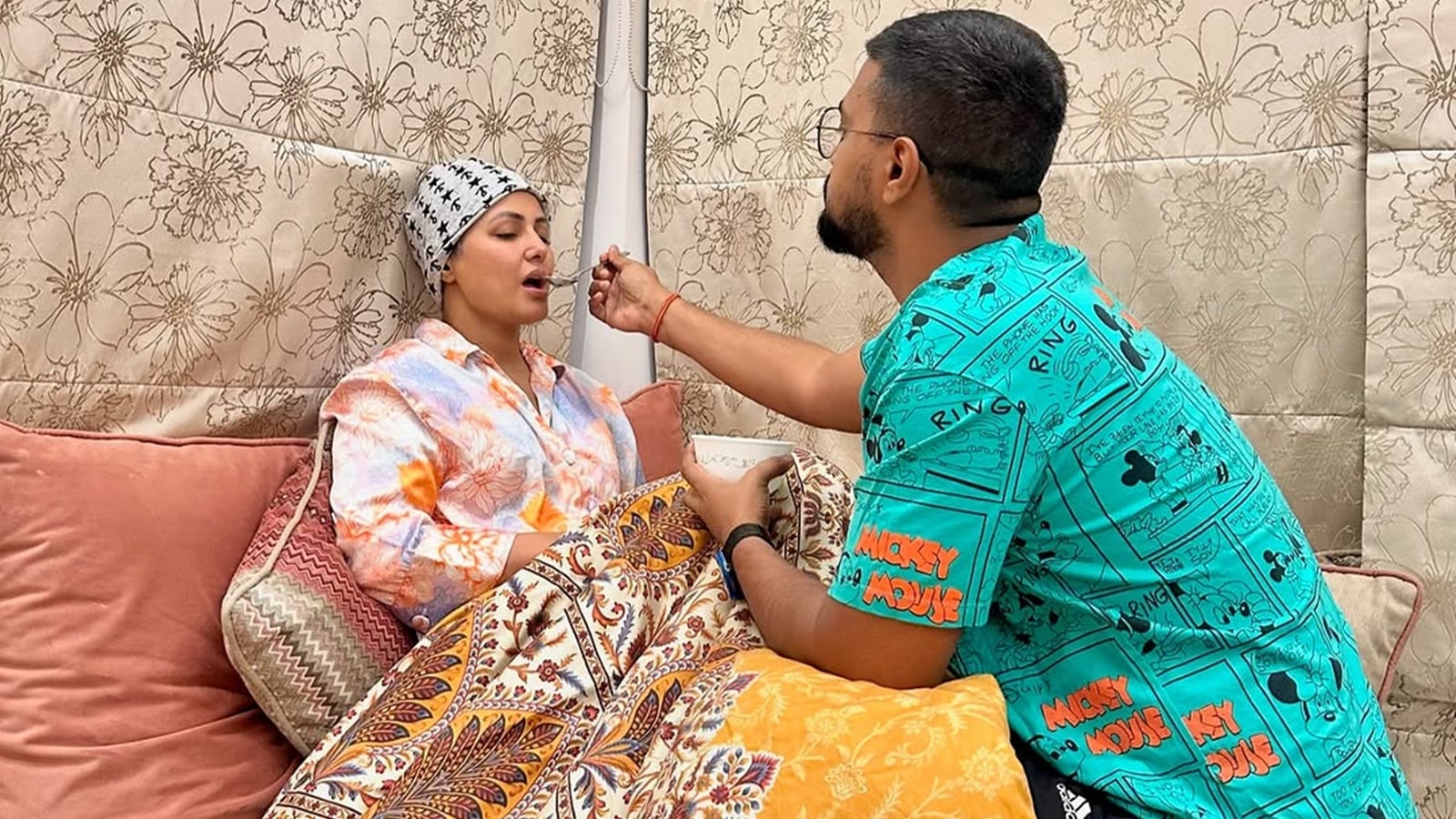
In India, many people take care of family members with cancer.
This is tough because it takes a lot of time and energy, and can be very expensive.
Caregivers often have to stop their own lives to help, and they don't always get the support they need.
It's like a secret problem because people are expected to put their duty first.
This can cause stress and make it hard for caregivers to take care of themselves.
Doctors and experts say the healthcare system needs to help caregivers more, with things like mental health check-ups and financial help, because they are very important.

Millions of Indians are caregivers for loved ones with cancer, often sacrificing their own lives.
Caregivers experience significant emotional, physical, and financial burdens due to their responsibilities.
Cultural expectations of duty in India intensify the pressure on caregivers, limiting their support.
The healthcare system offers minimal support for caregivers, focusing primarily on the patients.
Experts advocate for systemic reforms, including mental health support and financial aid for caregivers.
- Who
- Family members of cancer patients, healthcare professionals, and experts.
- What
- Millions of Indians are invisibly impacted while caregiving for cancer patients.
- When
- The situation persists, with the caregivers facing immense pressure.
- Where
- Across India.
- Why
- Cultural norms, financial burdens, and lack of healthcare system support contribute to the challenges faced by caregivers.
Societal Expectations
Caregiver's Well-being
Caregiver's needs
Societal Expectations
Caregiving is seen as a duty and sacrifice, making it difficult to acknowledge personal needs.
Caregiver's Well-being
Personal needs of caregivers should be prioritized. Mental health is essential and deserves focus.
- Study Finding
- Two in five caregivers screened positive for depression.
- Monthly Medicine Cost
- Rs 20,000 (for one caregiver)
- Annual New Cancer Cases in India
- Over 1.4 million
- Common challenges
- Fatigue, anxiety, depression
- Support Needed
- Mental health check-ins, on-site counselors, patient navigation services