

Archive · 23 Jul 2026
Doctor Warns Young Adults to Check Blood Pressure Regularly
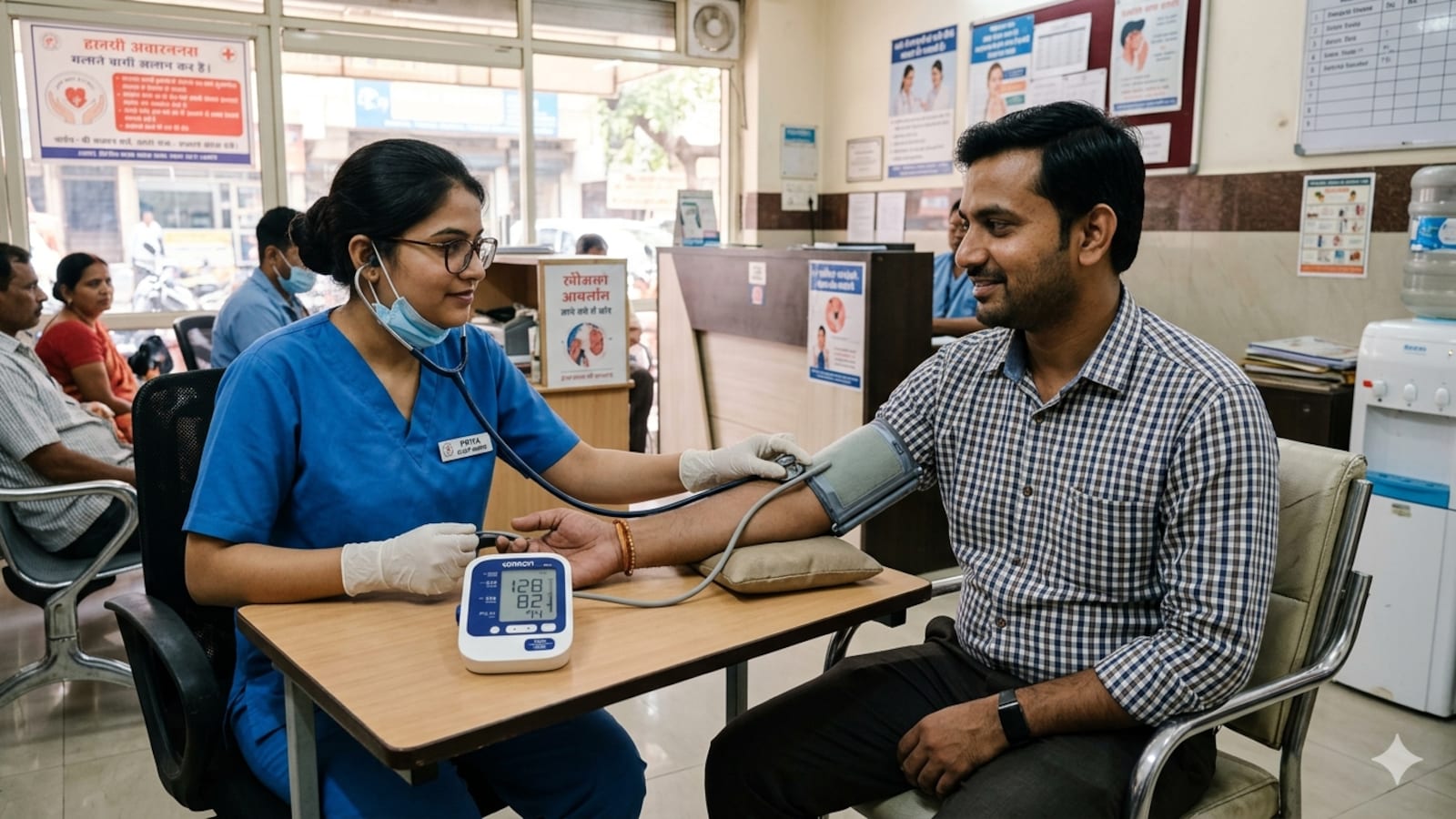
High blood pressure, or hypertension, is called the 'silent killer' because it can damage your heart, brain, and other organs without any warning signs.
Many people think only older adults get high blood pressure, but doctors are now seeing it in younger people too, especially those who don't exercise much, eat too much salt, or are stressed.
The best way to know if you have high blood pressure is to get it checked regularly, even if you feel fine.
If your blood pressure is normal and you don't have any risk factors, you can check it every few years.
But if you have a family history of high blood pressure, diabetes, or other health problems, you should check it every year.
Pregnant women should also monitor their blood pressure throughout their pregnancy.
Symptoms like headaches or dizziness aren't always a sign of high blood pressure, so don't wait until you feel sick to get checked.
The ideal blood pressure is less than 120/80 mm Hg.
If your reading is higher, you should talk to your doctor.
To keep your blood pressure healthy, eat a balanced diet, exercise, avoid smoking and too much alcohol, and manage stress.
Checking your blood pressure regularly can help you avoid serious health problems in the future.

Hypertension is a 'silent killer' that can damage organs without warning signs.
Young adults, especially those with risk factors, are increasingly diagnosed with high blood pressure.
Regular blood pressure checks are crucial, even for those who feel fine.
Ideal blood pressure is less than 120/80 mm Hg; readings above 130/80 mm Hg may indicate hypertension.
Preventive measures include maintaining a healthy weight, exercising, eating a balanced diet, and managing stress.
- Who
- Adults, especially those in their 30s and individuals with risk factors
- What
- The importance of regular blood pressure checks and preventive measures against hypertension
- When
- Regularly, with higher frequency for those with risk factors
- Where
- At medical facilities or using home blood pressure monitors
- Why
- To prevent hypertension and its complications, as it often has no symptoms
Preventive Measures
Symptom-Based Approach
Regular Check-ups
Preventive Measures
Regular blood pressure checks are essential for early detection and prevention of hypertension, especially for those with risk factors.
Symptom-Based Approach
Blood pressure should only be checked if symptoms like headaches or dizziness are present.
Lifestyle Changes
Preventive Measures
Adopting a healthy lifestyle, including exercise, a balanced diet, and stress management, can prevent hypertension.
Symptom-Based Approach
Lifestyle changes are only necessary if symptoms of high blood pressure are experienced.
- Ideal Blood Pressure
- Less than 120/80 mm Hg
- Elevated Blood Pressure
- 120-129 mm Hg (systolic) and less than 80 mm Hg (diastolic)
- Hypertension Threshold
- Above 130/80 mm Hg
- Recommended Check-up Frequency
- Every 3-5 years for adults with no risk factors, annually for those with risk factors
- High-Risk Groups
- Individuals with family history of hypertension, diabetes, obesity, kidney problems, high cholesterol, smokers, heavy drinkers, and pregnant women