Archive · 19 Jun 2025
Legal Scrutiny of Israel's Attacks on Iran
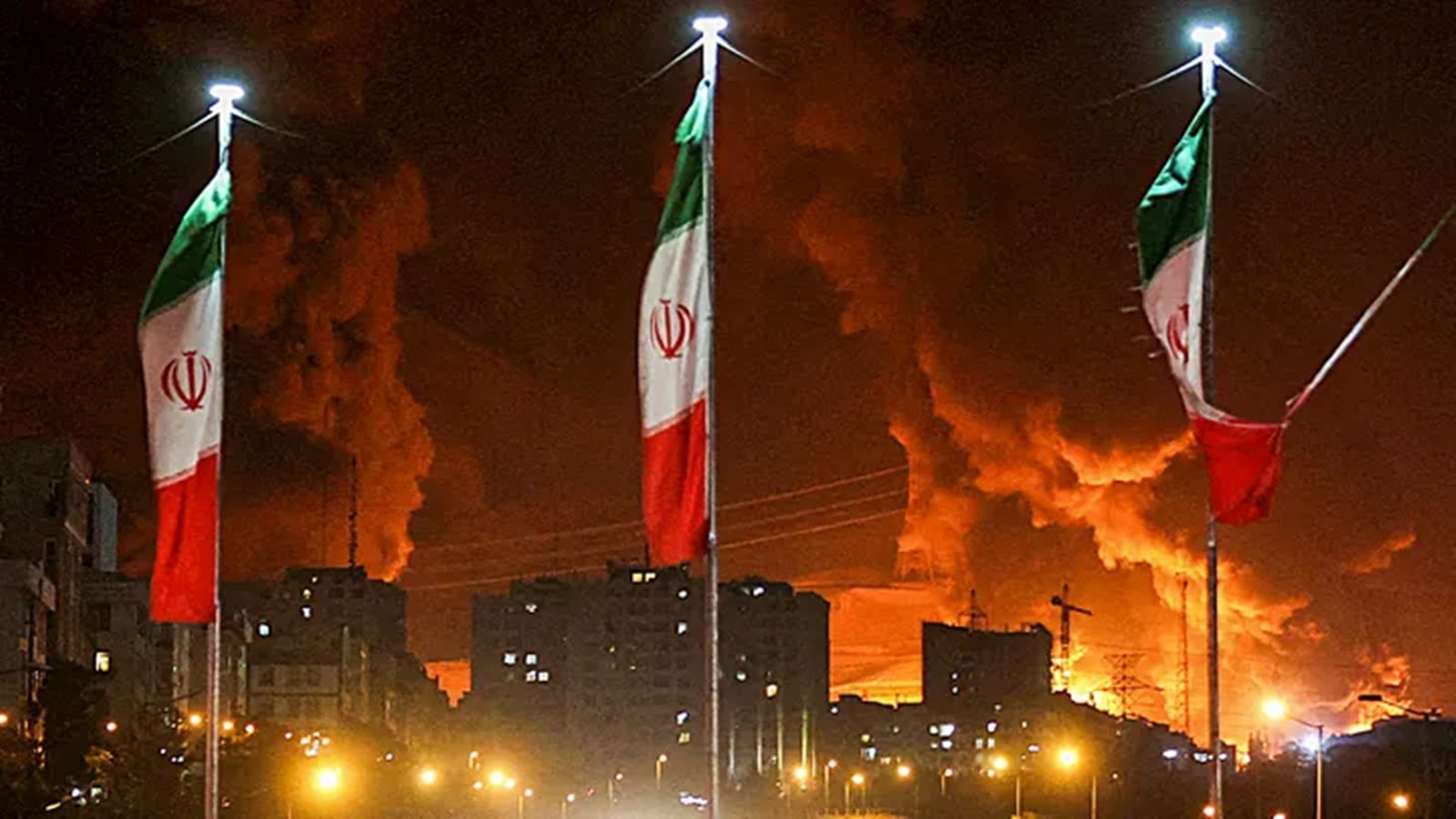
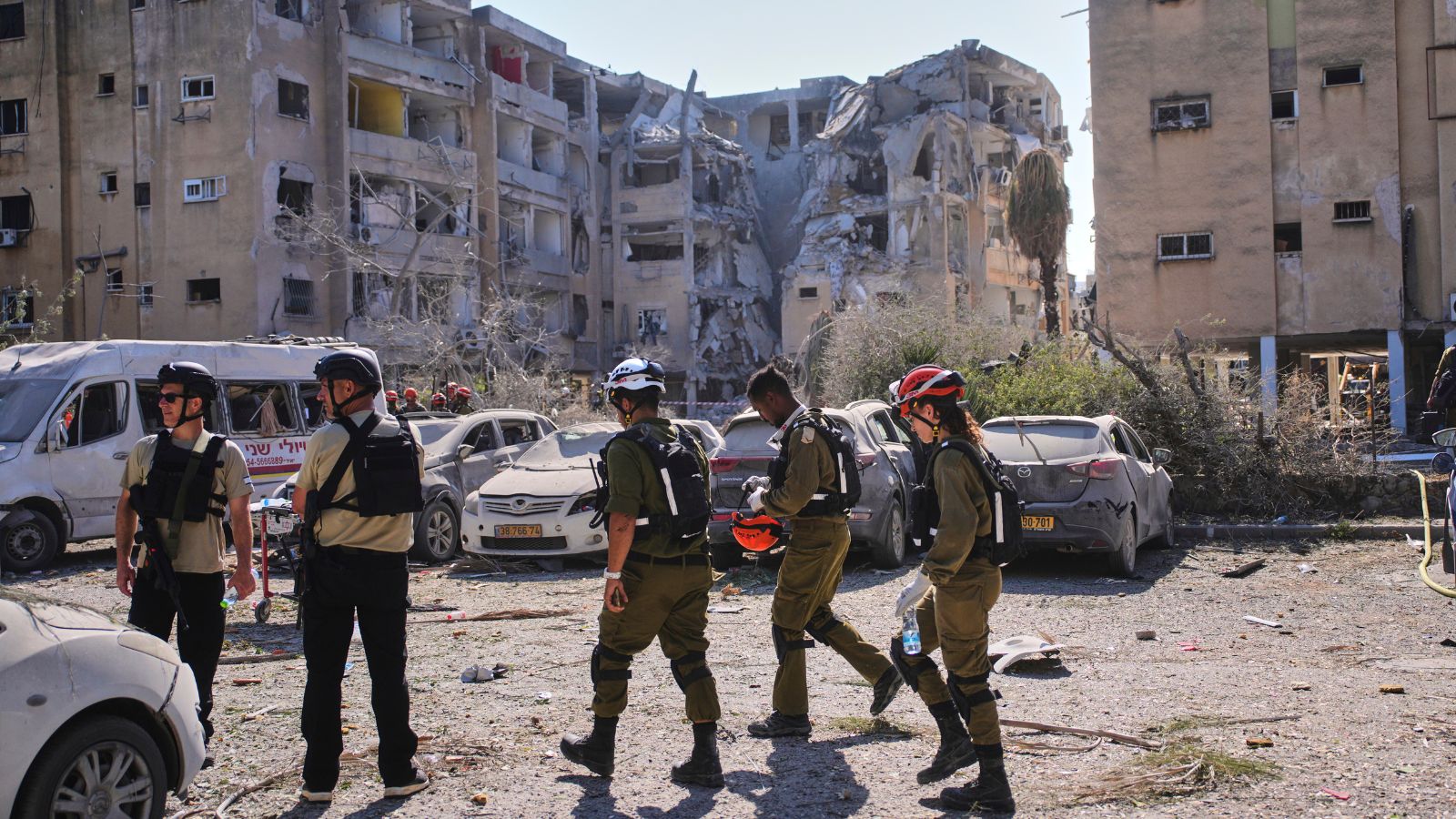
Imagine two countries, Israel and Iran, not getting along.
Israel attacked Iran, saying it was defending itself.
However, this breaks international rules.
These rules say countries can't just attack each other.
The rules allow defending against attacks, but Israel claims a dangerous situation justified its actions.
The author argues that this does not hold up, because Iran has not attacked and the threats are not imminent.
Moreover, any attack could hurt innocent people.

Israel's attacks on Iran violated the UN Charter, which prohibits the use of force.
Israel justified its actions under self-defense, citing threats and the need to prevent Iran from obtaining nuclear weapons.
International law allows for self-defense only if an armed attack has occurred or is imminent.
The author argues Iran has not launched an attack against Israel, and the threat does not meet legal thresholds to justify the attack.
The attacks may violate international humanitarian law due to failure to distinguish between civilians and combatants.
- Who
- Israel and Iran are the primary actors.
- What
- Israel's attacks on Iran, which are argued to violate international law.
- When
- Recent events reflecting tensions and conflict between Israel and Iran.
- Where
- Attacks have occurred on Iranian soil or targets.
- Why
- To analyze the legality and justifications of Israel's actions under international law.
Author's View
Israel's Justification
Legality of Attacks
Author's View
Israel's attacks lack legal justification.
Israel's Justification
Israel claims self-defense, preemptively acting to protect itself from Iranian threats.
Imminent Threat
Author's View
Iran's threat does not meet the legal thresholds to warrant Israel’s military actions.
Israel's Justification
Iran’s statements and behavior pose an imminent threat justifying the strikes on Iranian soil.
- UN Charter
- Article 2(4) prohibits the use of force against a state's territorial integrity.
- Israel's Justification
- Self-defense: To thwart existential threats and imminent threats.
- International Law
- Allows for self-defense if an attack has already occurred or is imminent.
- Iran's Actions
- Accused of non-compliance with IAEA regarding its nuclear program.
- Potential Violations
- May violate international humanitarian law regarding separation of civilians from combatants.