

Archive · 22 Aug 2025
Indian Calendars: History, Legends, and Cultural Significance
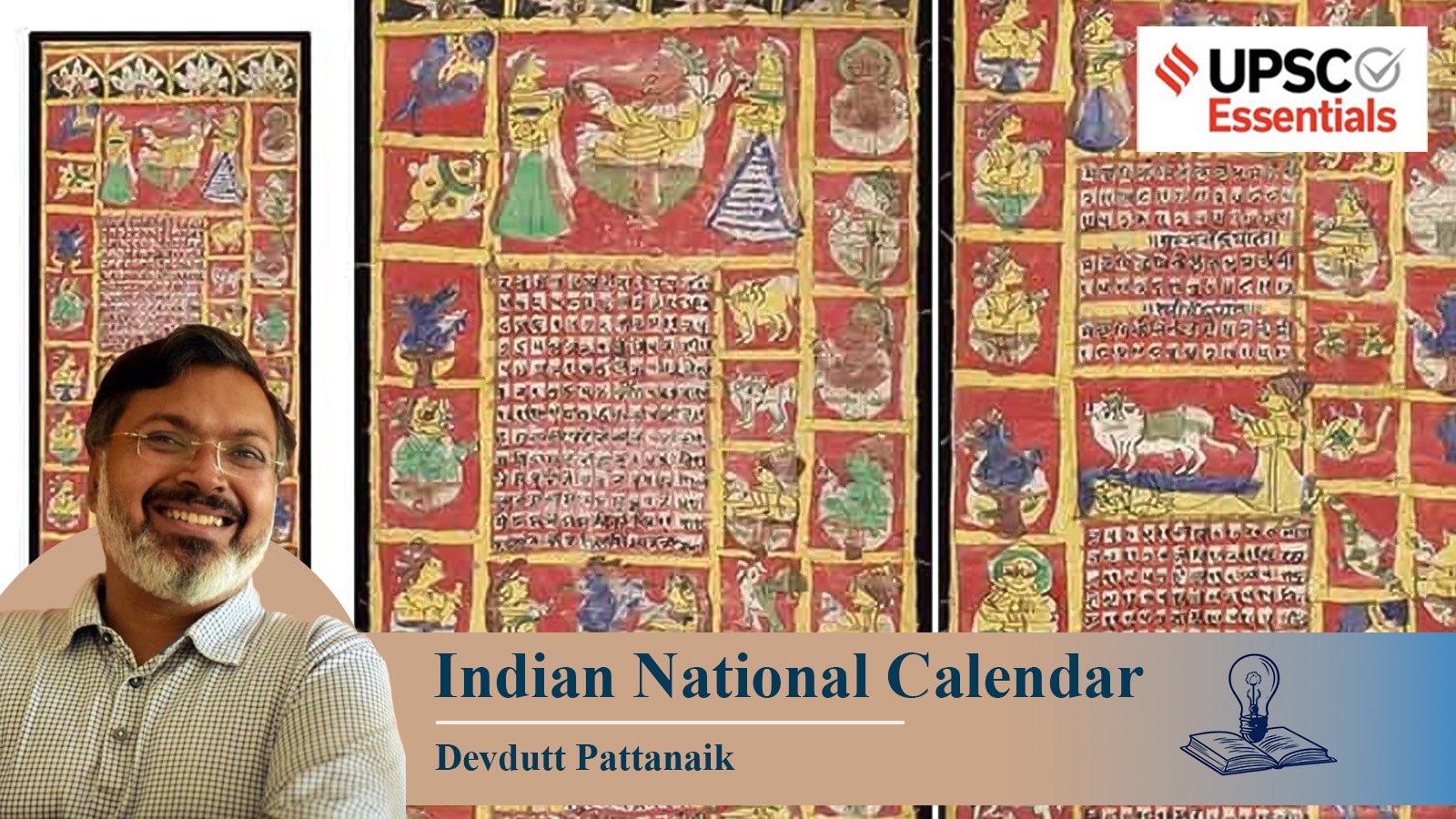
India has many calendars, just like it has many languages and cultures.
The government uses the Saka calendar, but different communities and regions use their own.
Two important calendars are named after kings: Vikramaditya and Shalivahana, who may or may not have actually started the calendars!
Legends about these kings, and another named Bhoja, are really old stories.
While we don't know the real history of the calendars, these stories are still important because they shape how people see themselves and their culture.

India uses multiple calendars, reflecting its diverse communities and regions.
The Indian National Calendar is the Saka calendar, adopted in 1957.
The Vikram Samvat calendar is linked to King Vikramaditya, while the Saka calendar is linked to King Shalivahana.
Legends surround the origins of these calendars, often overshadowing their historical roots.
Stories of Vikramaditya, Shalivahana, and Bhoja likely originated around the 8th century AD.
- Who
- Devdutt Pattanaik discusses the history and legends of the Indian calendars.
- What
- Discussion on the origin and significance of various Indian calendars.
- When
- The Saka calendar was officially adopted in 1957; legends date back to around the 8th century AD.
- Where
- Focus on North and South India, with mentions of Central Asia and neighboring regions.
- Why
- To understand the historical and cultural significance of India's diverse calendars.
Historical Accuracy vs. Legends
Cultural Significance
Importance of Legends vs. History
Historical Accuracy vs. Legends
The article highlights the difference between historical events and the legends associated with calendars, particularly the Vikram Samvat and Saka calendar.
Cultural Significance
The legends themselves are important because they shape culture and identity. The question of historical accuracy is secondary.
- Calendar Adopted
- Saka calendar
- Official Adoption
- 1957
- Vikram Samvat Start
- 57 BC
- Saka calendar Start
- 78 AD
- Vikram Samvat Named After
- King Vikramaditya
- Saka calendar Named After
- King Shalivahana
- Region of Influence
- North and South India