

Archive · 14 Nov 2025
Neurology Explains Terrifying Sleep Paralysis and Hallucinations
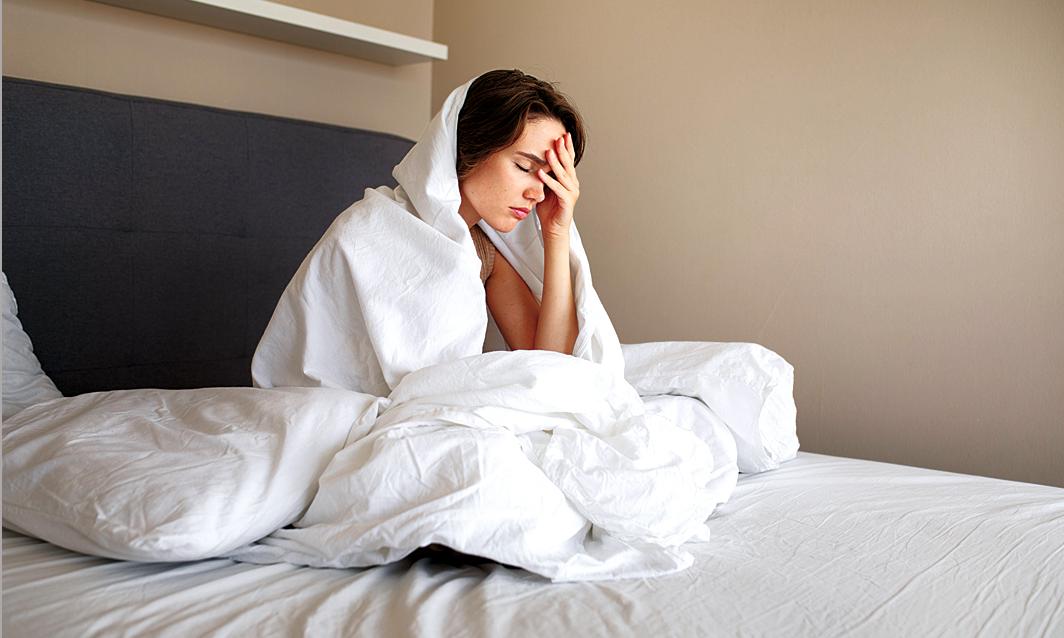
Imagine your brain wakes up, but your body is still asleep!
That's kind of like sleep paralysis.
Normally, when you're in a special sleep stage called REM sleep, your brain tells your body to stay very still so you don't act out your dreams.
Sometimes, when you wake up, your brain remembers to stay still for a little too long.
This means you're awake and aware, but your body feels frozen, which can be really scary.
Your brain can also play tricks on you, making you see or feel things that aren't there, like shadowy figures or a heavy feeling.
This happens because the parts of your brain that handle fear and dreams are still a bit active while the parts that control movement haven't quite caught up yet.
It’s a temporary glitch in how your brain and body talk to each other during sleep.
Good sleep habits and managing stress can help make these scary moments happen less often.

Sleep paralysis occurs when the body remains paralyzed from REM sleep after the mind becomes conscious.
This condition is explained by neuroscience as a mismatch between brain activity and motor neuron inhibition.
Hallucinations, such as seeing shadowy figures or feeling pressure, are caused by hyperactivity in brain regions responsible for fear and sensory processing.
Studies suggest about 8% of the population experiences sleep paralysis at least once.
Contributing factors include sleep deprivation, stress, irregular sleep schedules, and sleeping on one's back, and good sleep hygiene can help reduce episodes.
- Who
- Individuals experiencing sleep paralysis, neurologists, sleep specialists.
- What
- Sleep paralysis, a condition where a person is awake but unable to move, often accompanied by hallucinations.
- When
- During transitions between REM sleep and wakefulness.
- Where
- Occurs during sleep, typically in bed.
- Why
- Caused by a temporary persistence of REM sleep-induced muscle paralysis after the mind has woken up, with active fear and sensory processing centers in the brain contributing to hallucinations.
- Prevalence
- Affects about 8% of the general population at least once.
- Typical Duration
- Seconds to minutes.
- Contributing Factors
- Sleep deprivation, stress, irregular sleep patterns, sleeping on the back.
- Associated Conditions
- Narcolepsy.
- Neurological Cause
- Mismatch between consciousness and REM sleep muscle atonia.