1 day ago
Flydubai Attack Highlights Gulf’s Hidden Currents for India

The article discusses an incident on a Flydubai plane.
The UAE said its investigators believe the co-pilot tried to carry out a terrorist attack.
The report said he attacked the captain and tried to control the plane.
The captain, identified in the article as Smit Machchhar, was hurt but helped passengers overpower the co-pilot.
The UAE had not publicly named the co-pilot in the account.
Israeli Prime Minister Benjamin Netanyahu named him as Hamam al-Hammami, but the article says this had not been officially confirmed by the UAE.
The author says the incident raises questions about how the co-pilot developed extremist views.
The author also says India should learn more about the Gulf’s history, beliefs and politics.
This knowledge, the author argues, would help India understand a region important to its interests.

The UAE’s WAM news agency said on October 3 that investigators believe Flydubai co-pilot Hamam al-Hammami attempted a terrorist act aboard flight FZ1073.
According to the report, the co-pilot attacked the captain with a crash axe and tried to take control of the aircraft.
The article identifies the captain as Indian pilot Smit Machchhar, who was praised by UAE officials and visited in hospital by Dubai Crown Prince Hamdan bin Mohammed.
Israeli Prime Minister Benjamin Netanyahu named the co-pilot as Hamam al-Hammami and said he was of Omani origin; the UAE had not officially identified him in the account.
The author argues India needs deeper independent study of Gulf societies, politics, economics and theology to assess the region’s risks and its importance to India.
- Who
- The UAE’s investigators, Flydubai captain Smit Machchhar and co-pilot Hamam al-Hammami, whose identity was attributed to Israeli Prime Minister Benjamin Netanyahu.
- What
- The UAE reported that the co-pilot allegedly attacked the captain and tried to take control of the aircraft in an attempted terrorist act.
- Where
- Aboard Flydubai flight FZ1073; the article says the flight was carrying Israeli passengers bound for Tel Aviv.
- When
- The UAE report was published on October 3; the year is not specified in the article.
- Why
- The motive was still under investigation, according to the UAE report. The article argues that the incident shows India needs a deeper understanding of Gulf societies and politics.
Key facts
- Flight
- Flydubai flight FZ1073
- Reported date
- October 3; year not specified
- UAE source
- WAM, quoting UAE Attorney General Hamad Saif Al Shamsi
- Captain
- Smit Machchhar, identified in the article as an Indian pilot
- Co-pilot identity
- Named as Hamam al-Hammami by Benjamin Netanyahu; not officially identified by the UAE in the account
- Reported conduct
- The co-pilot allegedly attacked the captain with a crash axe and attempted to take control of the aircraft
- Investigation
- The UAE said the circumstances, motives and any related links were still being investigated
Quotes
Hamad Saif Al Shamsi
UAE Attorney General, quoted in the WAM report about the flight incident.
“Investigations into the incident aboard Flydubai flight FZ1073 revealed that the co-pilot attempted to carry out a terrorist act.”
 firstpost.com
Sources
Related news

Reports Detail Alleged Radicalisation Before Flydubai Cockpit Attack

Omani Flydubai Co-Pilot Accused in Cockpit Attack

Flydubai Flight Highlights Gulf’s Shifting Security Order and India’s Strategy
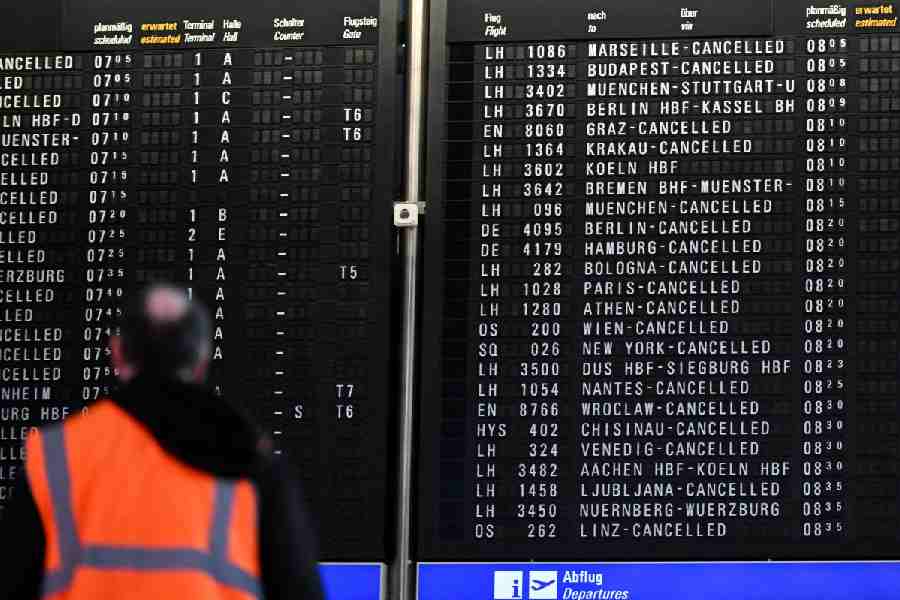
Flydubai Cockpit Attack Spurs Probe and Regional Travel Disruption

Netanyahu Says Flydubai Co-Pilot Underwent Islamist Radical Indoctrination
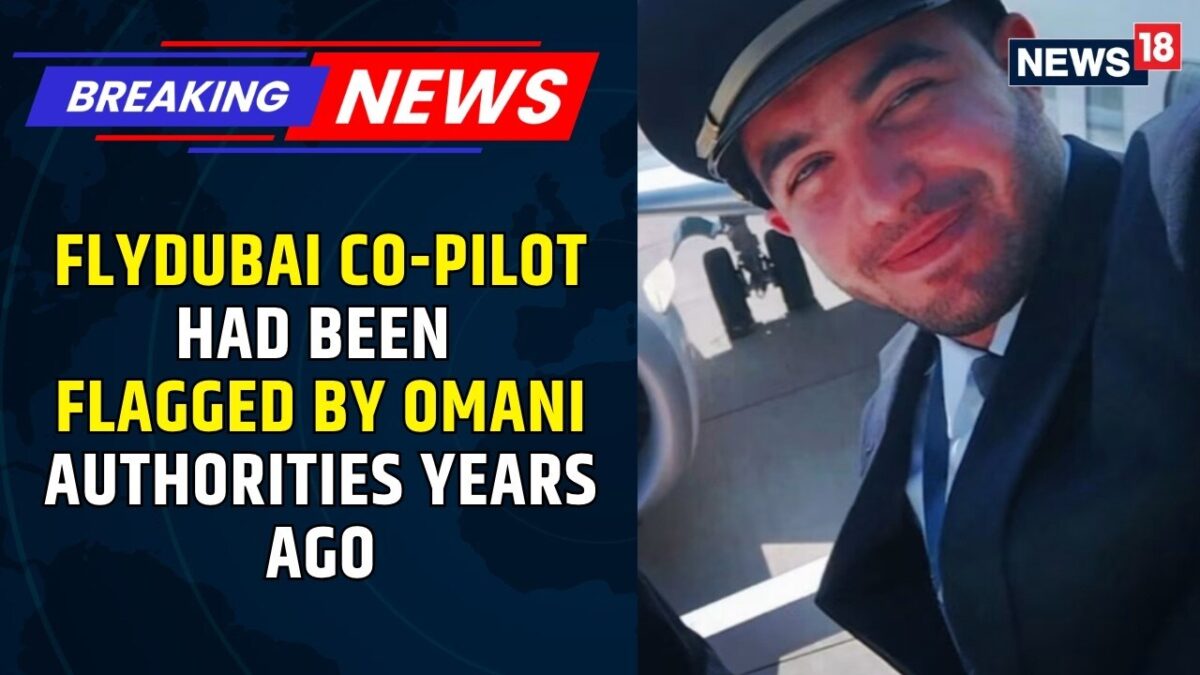
Flydubai Co-Pilot Was Previously Flagged Over Extremism Concerns

Daniel Kinahan: Irish crime boss extradited from Dubai to Dublin