

Archive · 5 Jun 2025
Water Scarcity: Challenges and Solutions in India
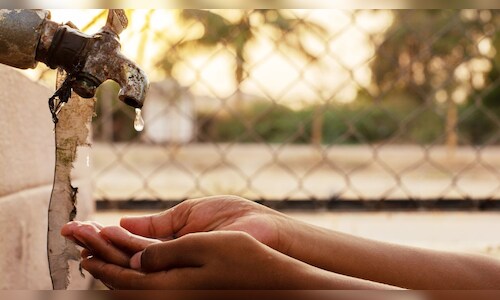
Imagine that some people have a hard time finding clean water to drink.
In India, this is a big problem, making it hard for families to be healthy and make money.
When families can't get clean water, kids might miss school, and it’s tough for farmers to grow crops.
But, there are ways to fix this.
For example, communities can work together to manage water better, or the government and businesses can help build wells and water systems.
By working together and using smart solutions, everyone can have a better chance at a good life.

Over 160 million Indians lack access to safe drinking water, impacting health and economic productivity.
Water scarcity disproportionately affects rural livelihoods, particularly agriculture.
Lack of clean water can trap families in cycles of poverty and limit access to education.
Community-led initiatives like watershed management have shown success in restoring water resources.
Collaboration between government, philanthropy, and the private sector is crucial for scaling sustainable solutions.
- Who
- The article focuses on the challenges faced by communities lacking access to clean water, specifically highlighting smallholder farmers like Ramesh and his family, and also focuses on the role of government, philanthropy, and private sector players.
- What
- The article discusses the impacts of water scarcity in India and potential solutions.
- When
- The article discusses current challenges, but the context is framed around World Environment Day.
- Where
- The issue is focused on India, with examples from Maharashtra and Odisha.
- Why
- Water scarcity threatens health, education, and economic prospects, particularly in rural areas.
- India's Water Quality Rank
- 120th out of 122 countries
- Indians Lacking Safe Drinking Water
- 163 million
- World's Water Resources for India
- 4%
- India's Population Percentage
- 18%
- Example Program
- Jal Jeevan Mission