

Archive · 6 Sep 2026
Why the Indian Ocean Is Vital to India’s Energy Security
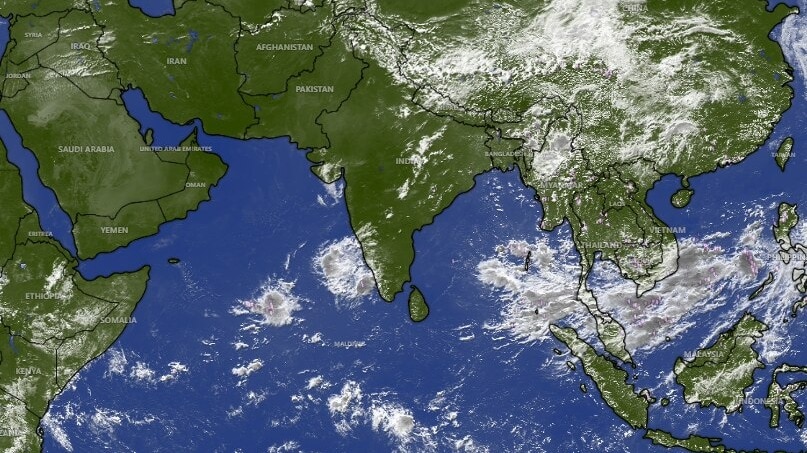
The Indian Ocean is a very important sea route for India.
Ships carrying oil and other goods travel through it.
More than 90% of India’s imported oil passes through this ocean, according to one estimate.
This means problems at sea could affect India’s energy supply.
The ocean is also important to China because more than 85% of its oil imports use the route.
Almost 3 billion people live in countries around the ocean.
Many countries are working together on security, trade, technology and infrastructure in the region.
Because of this, keeping the corridor stable matters to India’s economy and energy security.

More than 90% of India’s oil imports pass through the Indian Ocean, according to MUFG estimates.
The basin carries roughly one-third of global bulk cargo and accounts for an estimated 11–15% of global GDP.
Nearly 3 billion people live in Indian Ocean-bordering countries, with India representing around half of the population.
The corridor also handles more than 85% of China’s oil imports, making it important to both Asian economies.
Strategic cooperation includes the Quad, IORA, BIMSTEC, AUKUS, the Indo-Pacific Economic Framework and IMEC.
- Who
- India is the primary country discussed; China and other Indian Ocean-region countries are also affected.
- What
- The Indian Ocean is a major route for oil imports, bulk cargo and wider maritime trade, making it central to India’s energy security.
- Where
- The Indian Ocean basin, connecting the Persian Gulf, energy-exporting Gulf states and Asian markets.
- Why
- India depends on the corridor for more than 90% of its imported oil, while the region also supports major trade, economic activity and strategic cooperation.
- India’s oil imports through the basin
- More than 90%, according to MUFG estimates; a related table gives an approximate figure of 90%.
- China’s oil imports through the basin
- More than 85%.
- Population in bordering countries
- Nearly 3 billion people.
- India’s share of basin population
- Around 50%.
- Share of global GDP
- An estimated 11–15%.
- Global bulk cargo
- Roughly one-third travels through the basin.
- Global seaborne oil
- The article’s key-metric table estimates approximately 80% passes through the corridor.
- Strategic cooperation
- Frameworks and initiatives include the Quad, IORA, BIMSTEC, AUKUS, the Indo-Pacific Economic Framework and IMEC.