

Archive · 7 Nov 2025
Louvre Jewel Heist Sparks Debate on Colonial Legacies
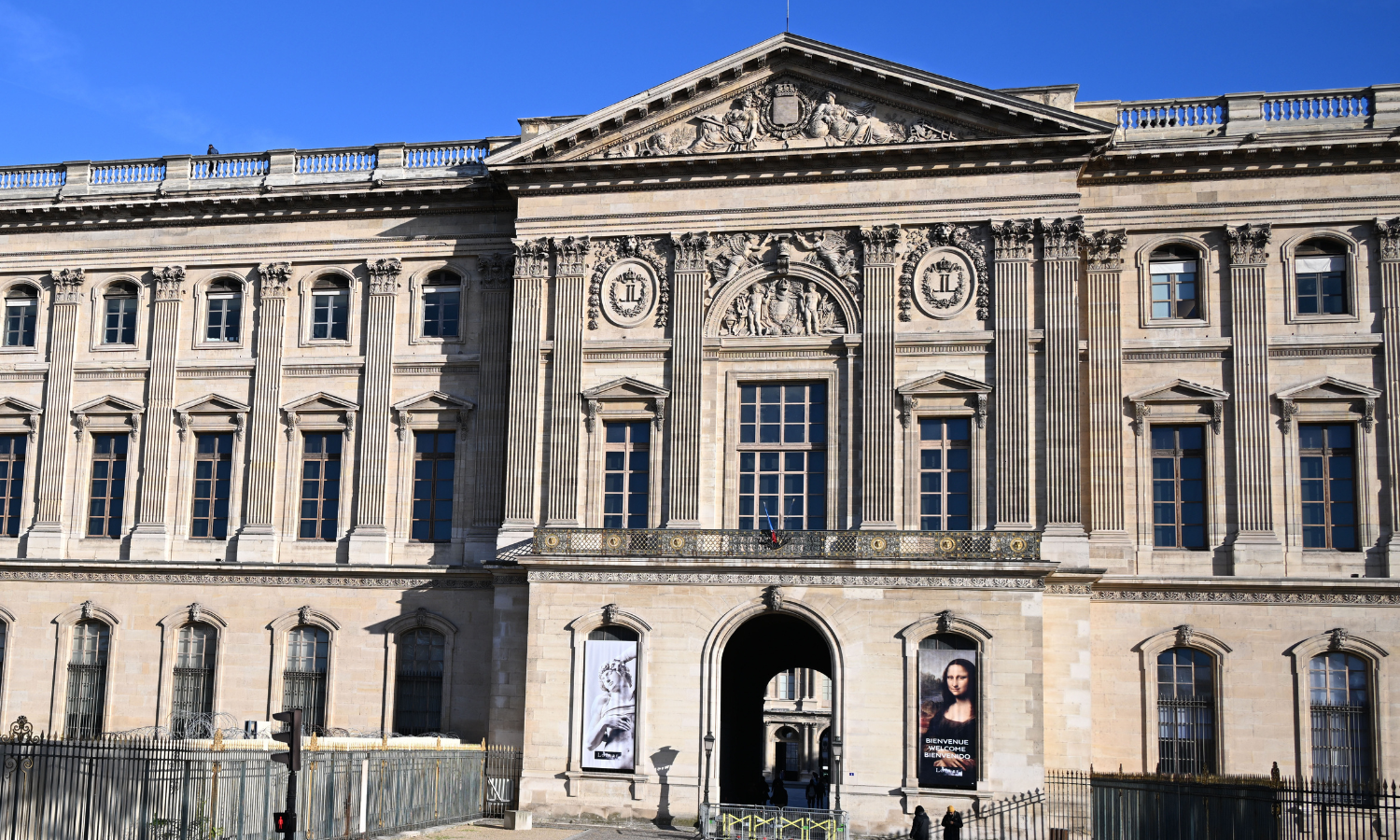
Imagine someone stole beautiful sparkly jewels from a big museum in France.
These jewels were made by fancy French artists long ago and belonged to queens and empresses.
But, when people looked closely, they realized the sparkly stones, like diamonds and sapphires, didn't come from France.
They likely came from faraway places that France used to control a long time ago, like India or Sri Lanka.
This has made people ask if these jewels were really France's to keep, or if they should be returned to the places they came from.
It's like asking if you can keep a toy you found, even if it originally belonged to someone else from a different place.
The theft is making everyone think hard about where treasures in museums come from and if their past is fair and honest.
Some people want museums to be more open about the history of their collections.
Others worry the jewels might be melted down to hide the crime.

French police are investigating the theft of crown jewels from the Louvre Museum.
The stolen gems likely originated from former colonial territories such as India, Sri Lanka, and Colombia.
The heist has intensified debate about the colonial past of museum collections and the ethics of acquisition.
Experts are calling for greater transparency from museums regarding the provenance of artifacts.
There are concerns that the stolen jewels could be broken down for their raw materials.
- Who
- French police, Louvre Museum, experts, and critics of colonial history
- What
- Theft of French crown jewels from the Louvre, sparking a debate on their colonial-era origins and ethical acquisition.
- When
- Recently discovered theft; historical context of acquisition is 19th century.
- Where
- Louvre Museum, Paris, France
- Why
- The theft has brought attention to the provenance of the gems, many of which have roots in former colonial territories, prompting discussions about restitution and museum transparency.
Arguments for Restitution and Transparency
Arguments for Current Ownership and Legal Acquisition
Origin of Gemstones
Arguments for Restitution and Transparency
Many gemstones in historical crown jewels, while set in France, originated in former colonial territories and their acquisition is linked to exploitative imperial practices, even if legal at the time.
Arguments for Current Ownership and Legal Acquisition
The gemstones were acquired during the imperial age under the legal conditions of that era. The focus should be on their craftsmanship and historical value in France, where they were assembled into the crown jewels.
Museum Transparency
Arguments for Restitution and Transparency
Museums should provide honest and complete information about the provenance of artifacts, including uncomfortable acquisition histories, to allow for a broader reckoning with colonial pasts.
Arguments for Current Ownership and Legal Acquisition
Museums follow legal and academic standards for exhibiting artifacts. While transparency is praised, the practical application of restitution claims is complex and requires strict proof of looting.
Ethical Considerations
Arguments for Restitution and Transparency
The 'paperwork of empire' does not settle the ethics of acquiring objects that may have been plundered or acquired through unequal power dynamics, prompting calls for restitution.
Arguments for Current Ownership and Legal Acquisition
Focusing on historical legalities and the symbolic value of the jewels as part of French heritage is important, and current ownership is based on lawful imperial-era acquisitions.
- Stolen Items
- Crown jewels including tiaras, necklaces, and brooches.
- Craftsmanship Location
- Paris, France
- Original Owners
- 19th-century figures including Queen Marie-Amelie, Queen Hortense, Empress Marie-Louise, and Empress Eugenie.
- Potential Gemstone Origins
- Ceylon (Sri Lanka), India, Brazil, Persian Gulf, Indian Ocean, Colombia.
- Museum Exhibited
- Louvre Museum, Paris (Apollo Gallery)
- Investigative Status
- Suspects charged; concern jewels may be broken up or melted down.