

Archive · 2 Nov 2025
FMCG Sector Faces Lingering GST Transition Issues Through October
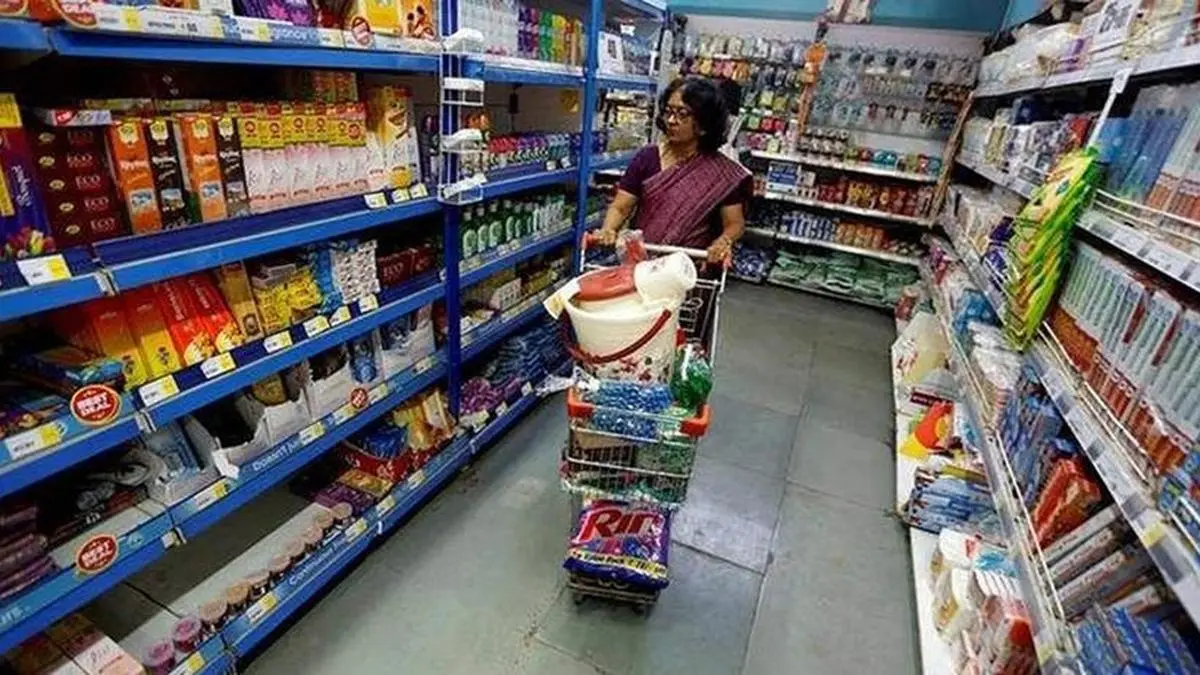
Companies that sell everyday items like soap and snacks in India are still dealing with some money problems because of a recent change in their tax system, called GST.
This tax change happened in September, and it meant that prices on some products had to be updated.
Because of this, shop owners and distributors had old, more expensive stock that they needed to sell before they could put the new, cheaper products on the shelves.
This caused a bit of a traffic jam in how products get from the factory to the stores.
People also waited to buy things, hoping for lower prices.
While things are expected to get back to normal soon, like by the end of the year, the companies are still working through selling the old stock.
One company, Dabur, said this tax change cost them about 100 crore rupees.
They are also making new products with updated prices and sometimes a bit more product in the package to match the new tax rates.

FMCG companies report that disruptions from the GST transition continued into October.
Players anticipate trade conditions to stabilize between November and December as new pack pricing becomes streamlined.
Short-term sales disruptions occurred in Q2 FY26 as traders cleared old priced stocks and consumers delayed purchases.
FMCG companies have introduced product packs with new MRPs and adjusted grammage following the GST rate reduction on September 22.
Dabur India estimated the GST transition impact at ₹100 crore (3-4% of revenue), with old inventory expected to take 30 days at retail and 20 days with wholesalers to clear.
- Who
- Leading Fast-Moving Consumer Goods (FMCG) companies in India, including Dabur India, Hindustan Unilever, and GCPL
- What
- are experiencing continued trade disruptions due to the transition to the new Goods and Services Tax (GST) regime, impacting sales and inventory management.
- When
- The disruptions continued through October, with expectations of stabilization in November-December.
- Where
- India
- Why
- The transition to GST 2.0, implemented on September 22, required adjustments in pack pricing and clearance of old priced stocks. Consumers also postponed purchases anticipating benefits from lower prices, leading to short-term sales dips.
- GST Transition Impact (Dabur India Q2 FY26)
- Estimated ₹100 crore (3-4% of revenue)
- Old Price Stock Inventory (Estimated)
- 30 days at retail, 20 days with wholesalers/distributors
- GST 2.0 Implementation Date
- September 22
- Q2 FY26 Period
- July-September
Sources

Pace of volume recovery key to gains for Hindustan Unilever
Meeting FY26 fiscal targets may be challenging amid weak tax growth: Union Bank of India

Pidlite expects to deliver double-digit volume growth in H2 with higher EBITDA

Low tax growth didn’t derail India’s finances in H1FY26. Here’s why

HCCBL expects growth in FY26 despite disruptions in H1; 4 Jubilant nominees join board