

Archive · 24 Jul 2025
EU Sanctions Impact Vadinar Refinery, Shifting Trade Flows
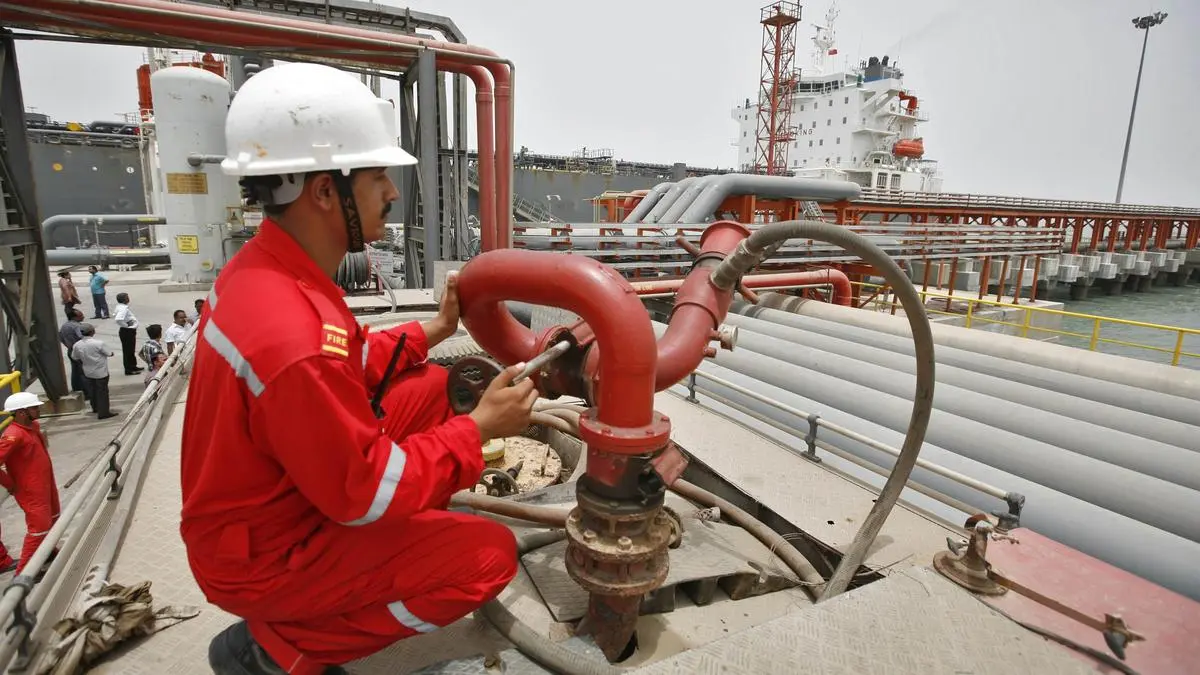
Imagine a big oil refinery in India called Vadinar.
The European Union (EU) has decided to punish Russia, which owns part of the refinery, by stopping the import of oil products.
This means the refinery can't sell jet fuel and kerosene to Europe anymore.
Because of this, the refinery will likely sell its products, like diesel, to places like Southeast Asia and Latin America instead.
The EU is also limiting the price of Russian oil.
The Indian government, however, does not support these rules.

EU sanctions on Russian oil products will impact India's Vadinar refinery.
The sanctions target Rosneft, which owns a significant stake in the refinery.
Nayara Energy, operator of the refinery, will likely shift exports to non-EU markets.
The EU introduced a six-month transition period before fully implementing the ban.
The Indian government stated it does not support unilateral sanctions.
- Who
- EU, Rosneft, Nayara Energy, and the Indian government.
- What
- EU sanctions impacting Vadinar refinery's oil product exports.
- When
- Sanctions announced July 18, 2024 with a six-month transition period.
- Where
- Vadinar refinery in India and the EU.
- Why
- To restrict trade with Russia and its oil industry.
EU Perspective
Indian Government Perspective
Sanctions Impact
EU Perspective
Sanctions are necessary to limit Russia's revenue from oil.
Indian Government Perspective
India does not subscribe to any unilateral sanctions measures.
- Refinery Operator
- Nayara Energy
- Refinery Capacity
- 400,000 barrels per day
- Rosneft Stake
- Approx. 49%
- EU Sanction Target
- Refined products from Russian crude oil
- Crude Origin
- 72% Russian-origin crude so far this year