

Archive · 19 Aug 2025
Low Histamine Diet: Foods to Avoid and Who Should Try It
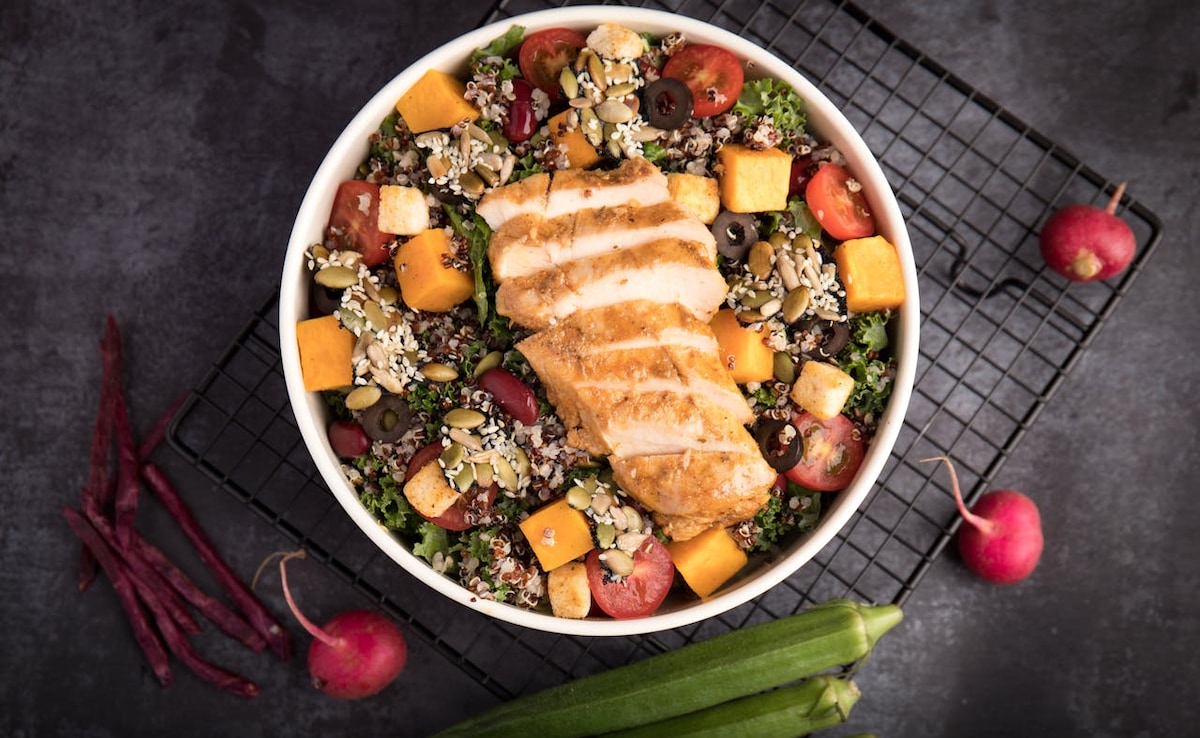
Sometimes, eating certain foods can cause headaches or stomach problems because of a substance called histamine.
People with histamine intolerance have trouble breaking down histamine.
A low-histamine diet helps by limiting foods high in histamine, like aged cheese or alcohol.
This diet is not for weight loss but to manage symptoms.
It's important to avoid foods that release histamine too, like tomatoes and packaged foods.
Following this diet needs a doctor's help to make sure you get all the nutrients you need.

A low-histamine diet reduces foods high in histamine to manage symptoms like flushing and digestive issues.
Histamine intolerance affects about 1% of the population and can mimic allergies or IBS.
The diet recommends avoiding foods with high histamine levels or that trigger histamine release.
Foods to avoid include aged cheeses, processed meats, alcohol, fermented products, and stored leftovers.
The diet is typically a short-term approach under medical supervision, with gradual food reintroduction.
- Who
- People with histamine intolerance, chronic conditions like IBS, or unexplained food reactions.
- What
- A diet designed to reduce the intake of histamine-rich foods and foods that promote histamine release in the body.
- When
- Doctors often recommend it for a few weeks.
- Where
- N/A
- Why
- To manage symptoms such as flushing, nasal congestion, digestive distress, and skin reactions.
- Main Goal
- Reduce histamine intake
- Affected Population
- About 1% of the population
- Common Symptoms
- Flushing, nasal congestion, digestive distress, skin reactions
- Foods to Avoid
- Aged cheese, processed meats, alcohol, fermented products
- Diet Duration
- Typically a few weeks
- Recommended Supervision
- Medical guidance is essential