Archive · 19 Aug 2026
IAEA Finds Tonnes of Nuclear Material at Syrian Site
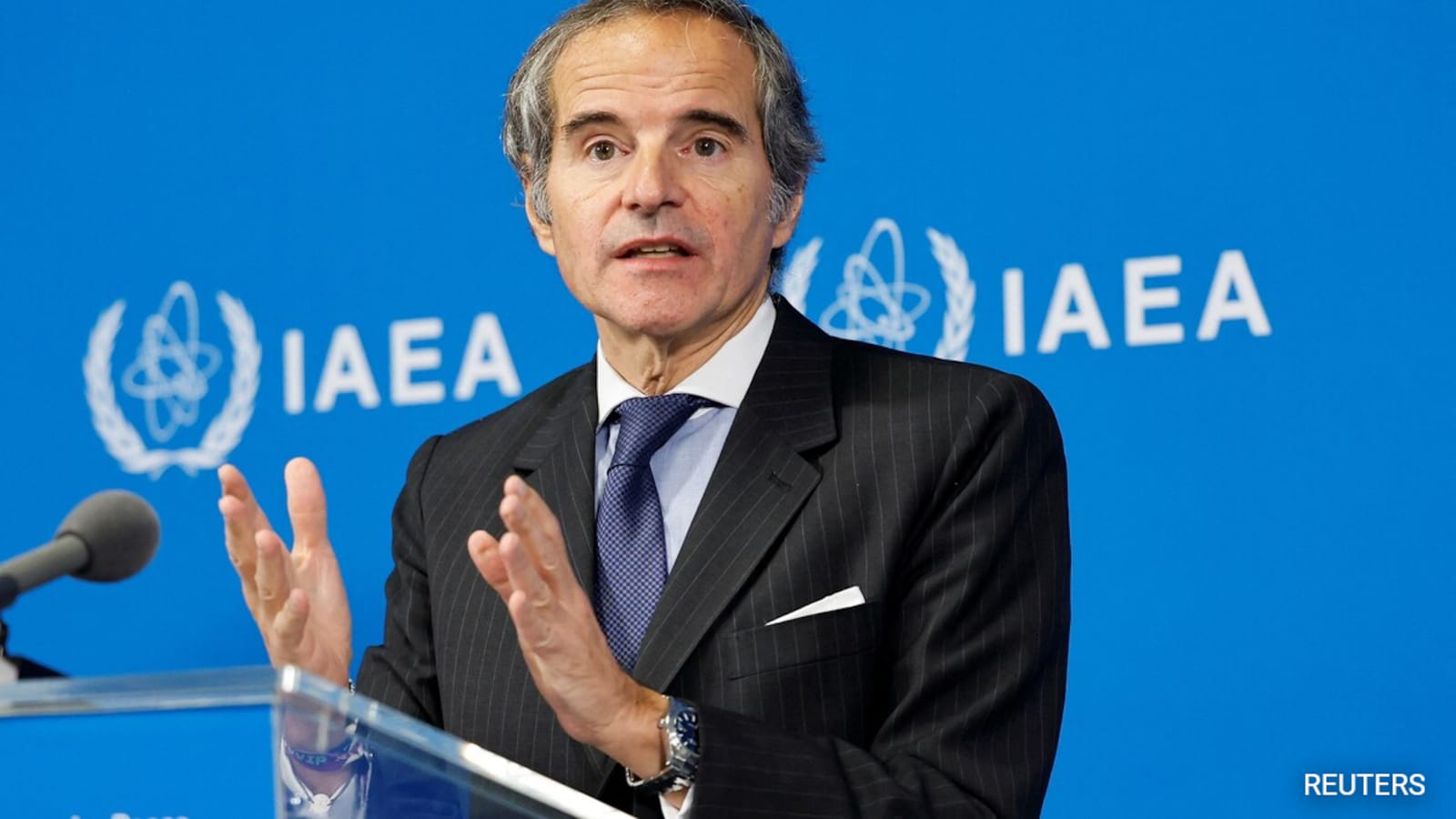
The United Nations nuclear agency found several tonnes of nuclear material at a Syrian site that had not been officially reported before.
Syria’s current authorities said they told the agency about it in a letter on July 17.
The agency’s director, Rafael Grossi, visited the site with inspectors.
They collected samples to learn more about the material.
Grossi said the material could be misused.
Syria said experts found that it was not currently dangerous.
Syria also said the material would stay in the country while the agency monitors it.
Grossi separately visited an old site in Deir Ezzor linked to long-standing concerns about a secret nuclear reactor.

IAEA chief Rafael Grossi said inspectors found several tonnes of nuclear material at a previously undeclared Syrian site linked to the former government.
Syria said it voluntarily disclosed the material in a July 17 letter and allowed Grossi’s team to visit and collect samples.
Grossi warned that the material could potentially be put to bad use.
Syrian Foreign Minister Asaad al-Shaibani said technical assessments found no current danger and that the material would remain in Syrian custody under IAEA safeguards.
Grossi also visited the long-closed Deir Ezzor site, where excavation is underway at a location long suspected of containing a secretly built nuclear reactor.
- Who
- IAEA chief Rafael Grossi, IAEA inspectors, Syrian Foreign Minister Asaad al-Shaibani, and Syria’s current authorities.
- What
- The IAEA reported finding several tonnes of nuclear material at a previously undeclared site and collecting samples. Grossi also visited the Deir Ezzor site associated with suspected past nuclear activity.
- When
- Syria said it sent its disclosure letter on July 17; Grossi’s site visit took place on Tuesday morning. The Deir Ezzor site had been closed for 18 years, according to one report.
- Where
- At an undeclared site in Syria and at a separate or related site in eastern Syria’s Deir Ezzor province; the press conference was held in Damascus.
- Why
- Syria said it disclosed the material as part of its cooperation with the IAEA over nuclear activities associated with the former government. The IAEA said the material needed to be accounted for and safely stored because it could be misused.
Syrian Authorities’ Position
IAEA’s Concerns
Current safety
Syrian Authorities’ Position
Asaad al-Shaibani said technical assessments showed that the material did not pose a current risk and that it would remain under Syrian custody with IAEA monitoring.
IAEA’s Concerns
Rafael Grossi said the several tonnes of material could potentially be put to bad use and emphasized the need for safe storage and proper accounting.
Future use
Syrian Authorities’ Position
Shaibani said Syria has the right to use the material for civil and peaceful purposes.
IAEA’s Concerns
The IAEA’s safeguards process is intended to ensure that the material is accounted for and not misused.
Syria’s nuclear past
Syrian Authorities’ Position
Syria’s new authorities said they voluntarily disclosed the material and committed to cooperating with the IAEA over the former government’s nuclear legacy.
IAEA’s Concerns
Grossi said cooperation represents a new phase but does not erase the past; he also said current excavation at Deir Ezzor supports the IAEA’s longstanding assessment that a nuclear facility was secretly being built.
- Material found
- Several tonnes, or a few tons, of nuclear material
- Site status
- Previously undeclared and linked to the legacy of Syria’s former government
- Disclosure date
- Syria said it sent an official letter to the IAEA on July 17
- Inspection steps
- Grossi and an IAEA team visited the site and collected samples
- Safety assessment
- Syria said technical assessments found no current risk
- Custody and monitoring
- The material is to remain in Syrian custody under the IAEA safeguards system
- Deir Ezzor investigation
- Excavation and investigation are underway at a site long suspected of being a secretly constructed nuclear reactor