

Archive · 27 Dec 2025
New Study Challenges Mars' Red Color Origin
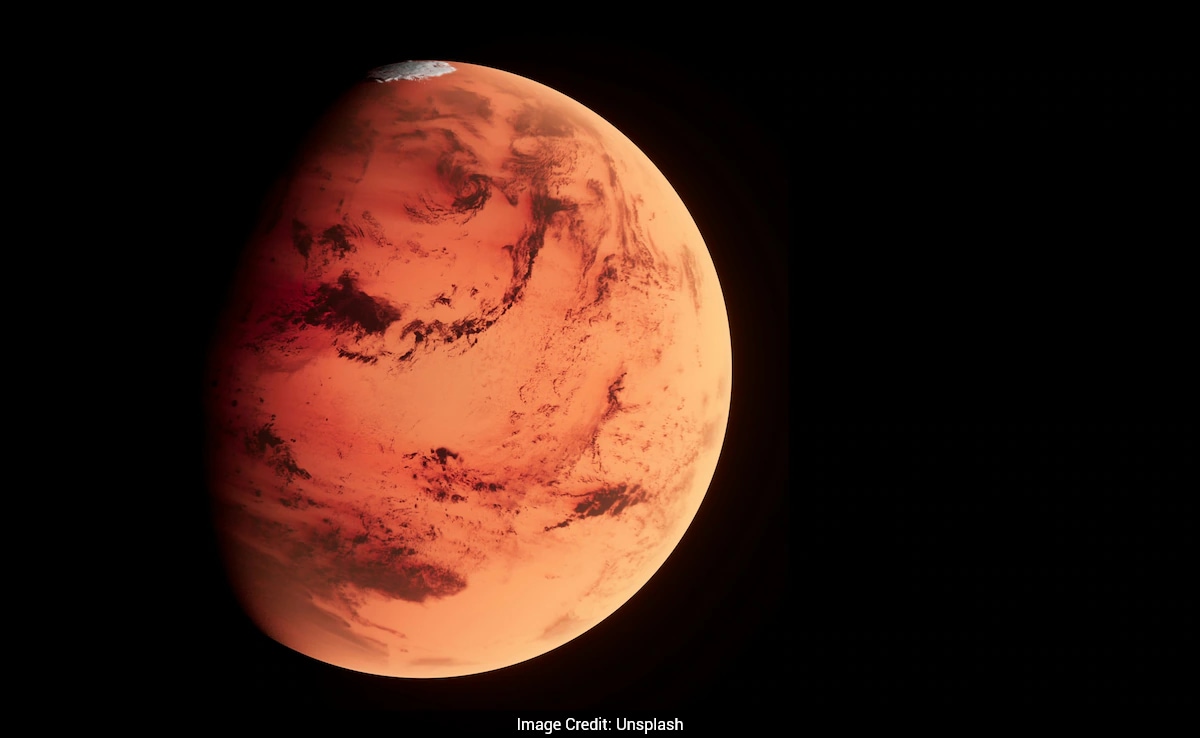
Mars is known for its red color.
Scientists once thought this color came from a mineral called hematite.
But a new study says it might actually come from a different mineral called ferrihydrite.
This mineral needs water and oxygen to form, which were present on Mars long ago.
On Earth, ferrihydrite turns into other minerals quickly, but on Mars, it can stay the same for a very long time.
The study used data from NASA and ESA missions to make this discovery.

Mars' red color was previously attributed to the mineral hematite.
A new study suggests ferrihydrite, a water-rich mineral, may be the cause.
Ferrihydrite requires water and oxygen to form, which were present in Mars' ancient past.
On Earth, ferrihydrite quickly transforms into other minerals, but on Mars, it remains stable.
The study analyzed data from NASA's Mars Reconnaissance Orbiter, ESA's Mars Express and ExoMars, and NASA's Mars rovers.
- Who
- Researchers analyzing data from NASA and ESA missions
- What
- A new study challenging the origin of Mars' red color
- When
- The study was conducted recently, with data from ongoing missions
- Where
- Mars, with data collected from various Mars missions
- Why
- To understand the cause of Mars' distinctive red color
- Mars' Red Color
- Previously attributed to hematite, now ferrihydrite is proposed
- Ferrihydrite
- A water-rich ferric oxyhydroxide found in Martian dust
- Hematite
- A dry iron-oxide previously thought to cause Mars' red color
- Study Data Sources
- NASA's Mars Reconnaissance Orbiter, ESA's Mars Express and ExoMars, NASA's Mars rovers
- Ferrihydrite Stability
- Can remain stable on Mars for almost indefinitely