

Archive · 15 Jan 2026
Scientists Develop Self-Fertilizing Crops to Reduce Fertilizer Use
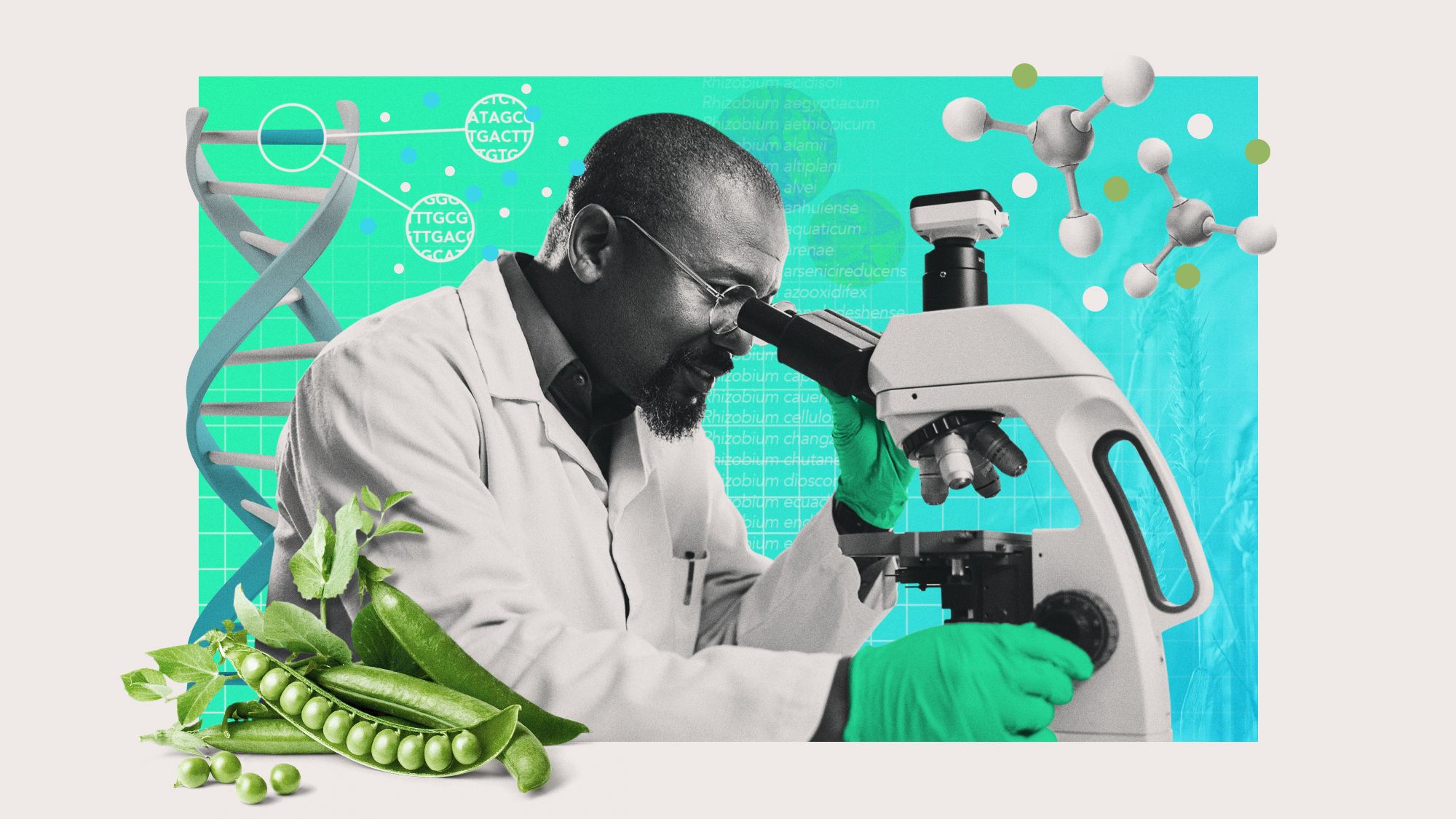
Scientists are working on a way to make crops that can make their own fertilizer.
Right now, farmers use a lot of fertilizer to help plants grow, but this can be bad for the environment.
Some plants, like peas and beans, can already make their own fertilizer by working with special bacteria in the soil.
Scientists have found a way to use a tool called CRISPR to help other plants, like wheat and barley, do the same thing.
This could help the environment by reducing pollution and make it easier for farmers, especially in places where fertilizer is expensive or hard to get.

Scientists are using CRISPR to develop self-fertilizing crops, reducing the need for synthetic fertilizers.
Excessive fertilizer use can cause environmental issues, including water pollution and climate-warming gases.
Plants like peas, clover, and beans naturally form partnerships with bacteria to fix nitrogen from the air.
Researchers successfully engineered wheat, Lotus japonicus, and barley to cooperate with nitrogen-fixing bacteria.
Self-fertilizing crops could improve food security, especially in developing regions with limited access to fertilizers.
- Who
- Scientists and researchers
- What
- Development of self-fertilizing crops using genetic engineering
- When
- August 2025
- Where
- Global, with specific studies in the U.S. and Africa
- Why
- To reduce the environmental impact of excessive fertilizer use and improve food security
- Total Fertilizer Used in the U.S. (2023)
- 20.1 million metric tons
- Nitrogen Fertilizer Used in the U.S. (2023)
- 11.6 million metric tons
- Nitrogen Absorption Rate by Plants
- 30 to 50%
- Gene Editing Tool Used
- CRISPR
- Plants Successfully Engineered
- Lotus japonicus, Barley, Wheat
- Potential Benefits
- Reduced ecological impact, improved food security, lower costs