1 year ago
Doomsday Fish: Myth vs. Reality - Scientists Weigh In
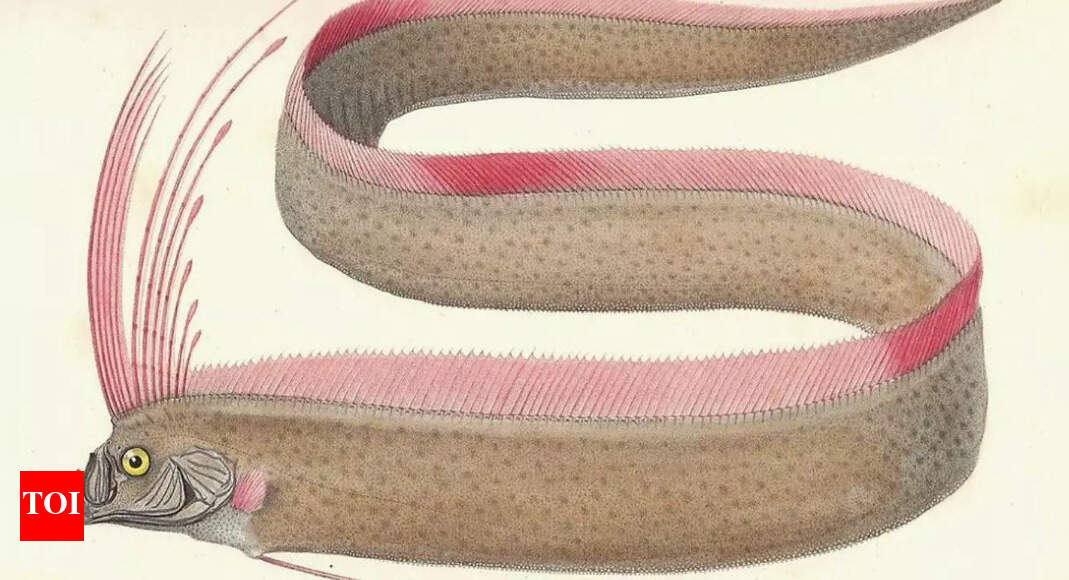
Some people think a fish called the giant oarfish can predict earthquakes and tsunamis, calling it the 'doomsday fish.'
This idea comes from old stories.
The fish lives deep in the ocean, and when they appear near the surface, people worry.
They've been seen before big earthquakes, making the myth stronger.
But, scientists say there's no proof these fish can predict disasters.
They appear near the surface because they're sick, confused, or because of changes in the ocean.
People look for patterns and warnings, especially when they are scared, so the 'doomsday fish' story helps them feel like they understand what's happening.

The giant oarfish, known as the 'doomsday fish', has gained viral attention for alleged links to natural disasters.
Coastal cultures traditionally viewed oarfish appearances as omens of earthquakes or tsunamis.
Scientific research has found no conclusive evidence linking oarfish sightings to tectonic activity.
Oarfish surface due to factors like illness, noise pollution, and climate change effects.
Humans tend to seek patterns and warnings, contributing to the doomsday fish's cultural impact.
- Who
- Giant oarfish (Regalecus glesne)
- What
- The belief that giant oarfish sightings predict earthquakes and tsunamis.
- Where
- Primarily deep ocean environments; sightings near coasts, particularly in the Pacific and Asia.
- When
- Sightings have occurred throughout history, with increased frequency in recent years.
- Why
- Oarfish appearances are often attributed to illness, habitat disruption, or human pattern-seeking behavior, but not confirmed earthquake predictions.
Folklore Belief
Scientific View
Doomsday Prophecy
Folklore Belief
Sightings are omens of earthquakes and tsunamis, warnings of impending disaster.
Scientific View
No scientific evidence supports the link between oarfish sightings and seismic activity.
Key facts
- Scientific Name
- Regalecus glesne
- Common Name
- Giant oarfish
- Habitat
- Mesopelagic zone (660-3,300 feet deep)
- Length
- Up to 36 feet (11 meters)
- Folklore Name
- Ryugu no tsukai (Japan)
- Recent Sightings
- Taiwan (2022), Philippines (2023), Baja California (2025)
Sources
Related news

Super El Niño May Push Rare Marine Life North

San Diego Fisherman and YouTuber Mikey Rijavec Found Dead Off Baja Coast

Rare Ginkgo-Toothed Beaked Whales Spotted in the Wild for First Time

Tropical Storm Ivo Weakens Near Baja, Swells Bring Risk