

Archive · 4 Aug 2025
Digital Debt Collection Surges as Lenders Embrace Tech
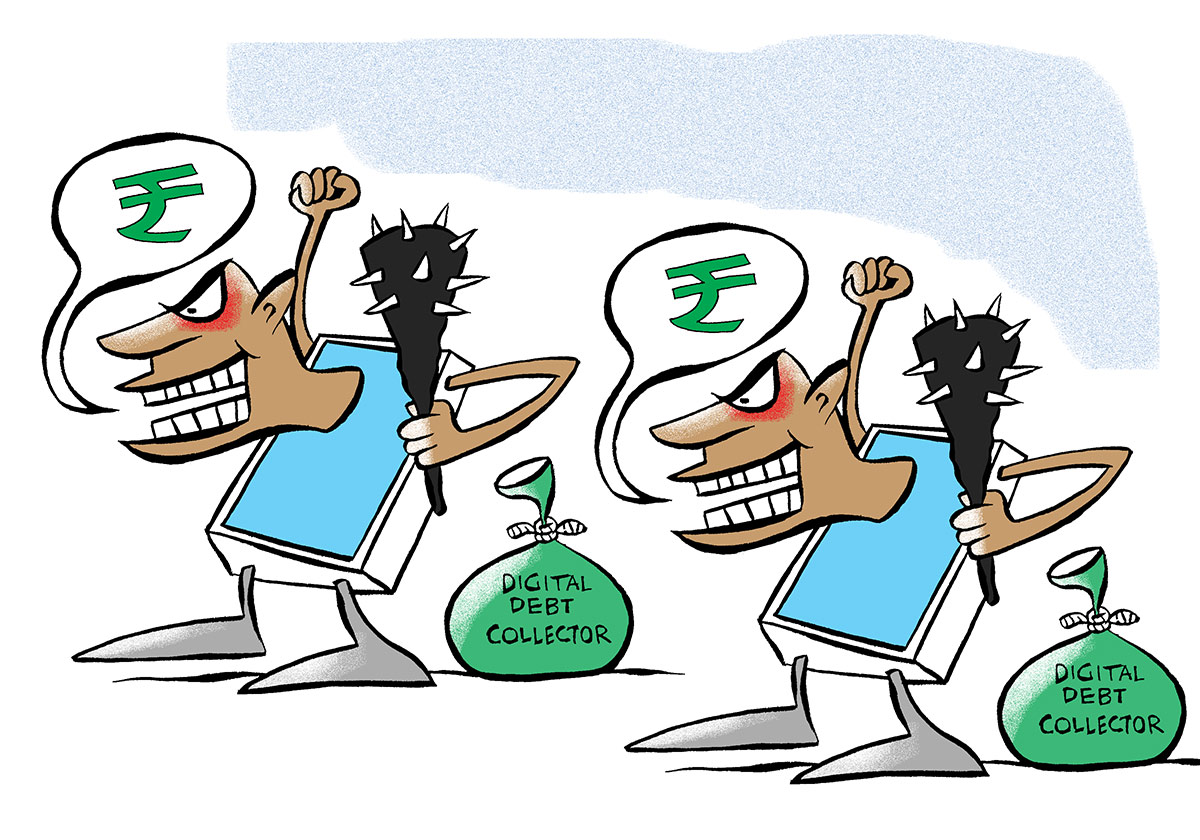
Digital debt collection is becoming more common as lenders use technology to collect debts.
This helps them save money compared to sending agents.
Many people now use digital platforms like smartphones and WhatsApp.
While the per capita debt has increased, especially among higher-rated borrowers.
Though, customized solutions are needed, especially for those in rural areas and with low-income, so that the methods work.
This helps banks to know who will repay loans.

Digital debt collection is increasing due to high costs of traditional methods.
Digital channels, such as WhatsApp, are now used for collections and legal follow-ups.
Per capita debt has risen, with non-housing retail loans forming a significant portion of household debt.
Asset quality of unsecured retail lending has weakened compared to the overall retail portfolio.
Experts highlight the need for customized solutions for rural and low-income borrowers.
- Who
- Lenders, borrowers, debt collection platforms, and technology solution providers.
- What
- Digital debt collection is gaining traction, replacing traditional methods.
- When
- Recent years, with specific data points from 2023, 2024 and 2025.
- Where
- Small towns and villages are increasingly seeing digital collections.
- Why
- Digital methods reduce costs and leverage increasing digital access.
Industry Practices
Financial Technology Advancement
Customization Concerns
Industry Practices
Customization may be lacking for many rural and low-income borrowers with thin credit files, risking mispricing or oversimplified underwriting.
Financial Technology Advancement
The article does not express a specific opposing viewpoint.
- Accounts Managed
- Over 98 million
- Retail and Small-Business Loan Accounts
- $250 billion
- WhatsApp Users
- Over 550 million
- Digital EMI Payments (May 2025)
- Over 25 million
- Per Capita Debt (FY25)
- Rs 4.8 lakh
- Non-housing retail loans (FY25)
- 54.9% of total household debt
- Unsecured retail loans
- 25.0% of retail loans
- Unsecured retail loans asset quality
- 1.8% gross non-performing asset ratio in March 2025