

Archive · 12 Aug 2025
CO2 Monitoring Satellites May Shut Down: What Are The Impacts?
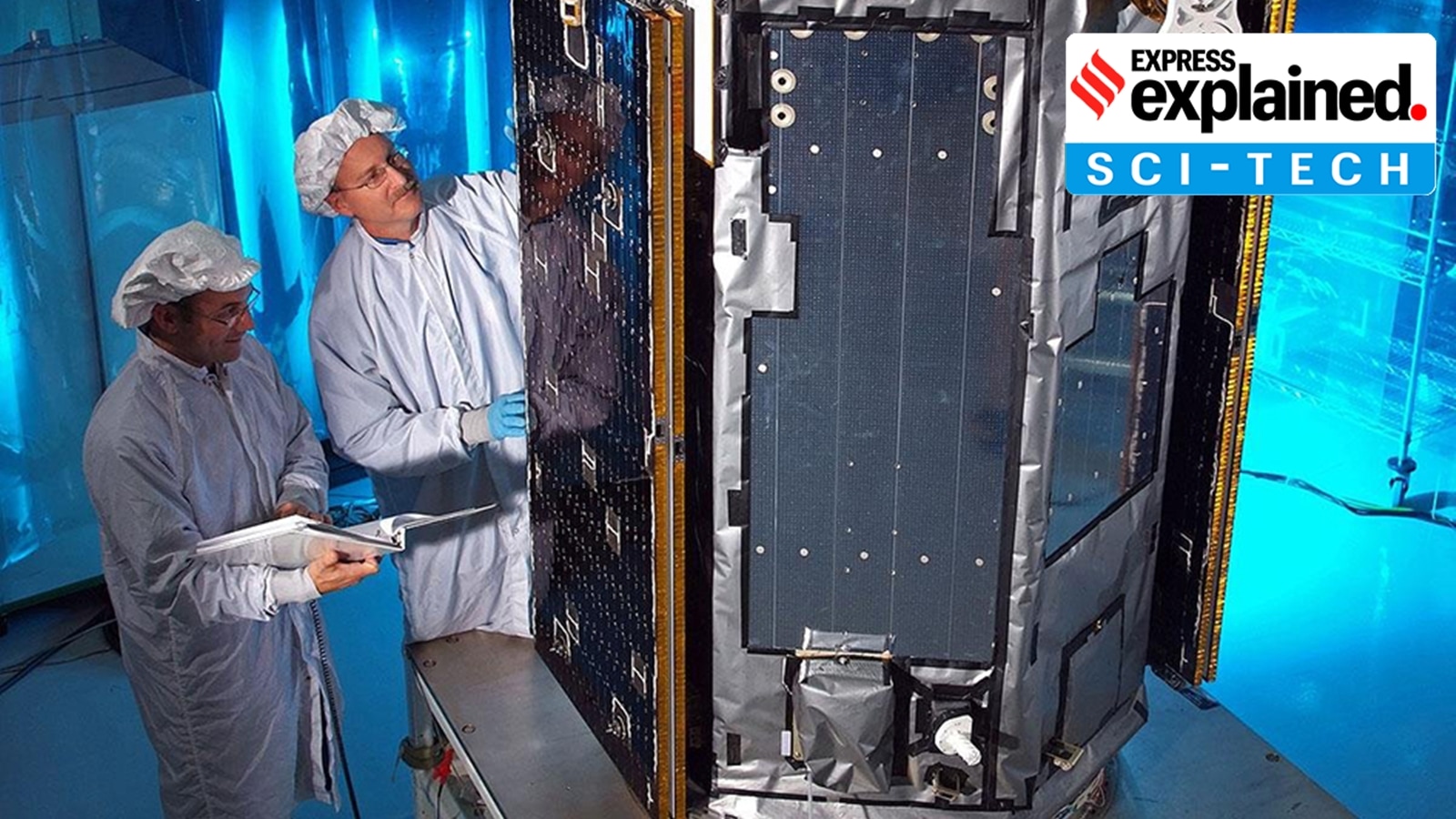
The US government is considering shutting down satellites that watch CO2 in the atmosphere.
These satellites, OCO-2 and OCO-3, help scientists understand climate change and track crops.
They measure how much CO2 is in the air and where it comes from, like from forests or factories.
They also show how healthy plants are.
Scientists use this data to study global warming, and the effects of drought on crops.
It's like having special eyes in space to see the planet's health.
While it cost a lot to build them, keeping them running is much cheaper, and scientists say the information is very valuable.

The Trump administration reportedly plans to shut down NASA's OCO-2 and OCO-3 satellites.
These satellites monitor atmospheric carbon dioxide (CO2) and crop health.
Experts believe the satellites provide crucial data on climate change and crop yields.
OCO-2 measures CO2 and locates its sources, while OCO-3 enhances observations from the ISS.
Maintaining the satellites costs around $15 million per year, compared to the $750 million initial investment.
- Who
- The Trump administration is reportedly behind the decision to shut down the satellites.
- What
- The U.S. government plans to shut down the OCO-2 and OCO-3 satellites, which monitor atmospheric carbon dioxide and crop health.
- When
- The plan was reported recently, with the satellites possibly being shut down.
- Where
- The satellites operate in Earth's orbit and the International Space Station.
- Why
- The exact reasons are unclear, but NASA says it aligns with the President's agenda and budget priorities.
Pro-Satellite Operation
Anti-Satellite Operation
Importance of Data
Pro-Satellite Operation
Data crucial for understanding climate change and assessing emission reduction efforts.
Anti-Satellite Operation
Termination is in line with budget and agenda priorities
Cost Effectiveness
Pro-Satellite Operation
Significant return on investment.
Anti-Satellite Operation
Cost-cutting measure.
- Satellites in question
- OCO-2, OCO-3
- Primary Function
- Monitor atmospheric CO2 and crop health
- OCO-2 Launch Date
- July 2014
- OCO-3 Deployment
- 2019, on the International Space Station
- Initial Cost
- $750 million (design, build, launch OCO-2/3)
- Annual Maintenance Cost
- $15 million