

Archive · 13 Aug 2025
Vitamin K and Heart Health: Sources and Daily Intake
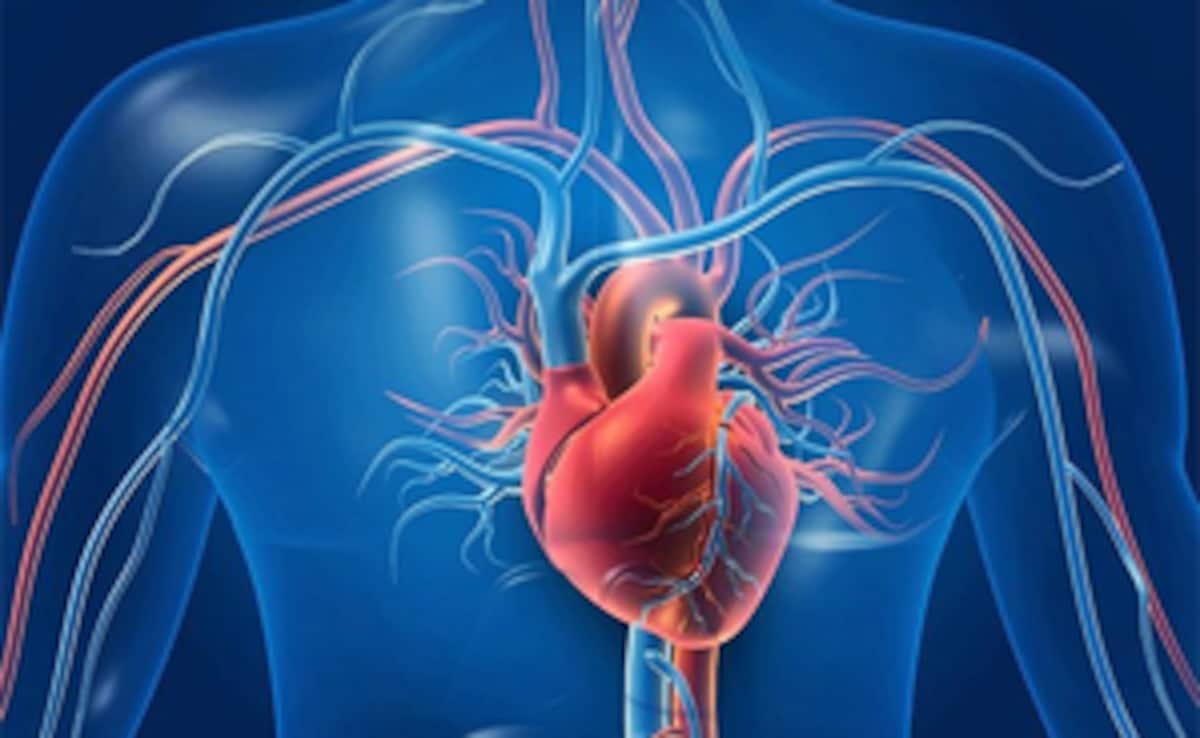
Vitamin K is a nutrient that can help keep your heart healthy.
It helps control how much calcium is in your body, which is important for your blood vessels.
Too much calcium can make your arteries stiff, which isn't good for your heart.
Vitamin K helps lower your blood pressure and may prevent strokes.
You can find vitamin K in foods like spinach, kale, and broccoli.
Adults should aim to eat about 70-90 micrograms of it each day.
This vitamin is also good for your bones and may even help your brain as you get older.
Remember, always talk to a doctor if you have health concerns.

Vitamin K may reduce heart disease risk by regulating calcium in the body.
It helps maintain healthy blood vessels and prevent arterial stiffness.
Vitamin K can lower blood pressure and the risk of stroke.
Foods like kale, spinach, and broccoli are rich in Vitamin K.
Adults should consume 70-90 micrograms of Vitamin K daily.
- Who
- Adults benefit from adequate Vitamin K intake.
- What
- Vitamin K reduces heart disease risk.
- When
- Research has shown this benefit.
- Where
- Studies were conducted to find the link.
- Why
- Vitamin K regulates calcium and prevents artery issues.
- Benefit
- Reduces heart disease risk
- Mechanism
- Regulates calcium, prevents arterial stiffness
- Impact
- May lower blood pressure and stroke risk
- Food Sources
- Kale, spinach, broccoli, Brussels sprouts
- Recommended Intake
- 70-90 micrograms daily for adults