7 months ago
Taliban Approves Class-Based Criminal Procedure Code
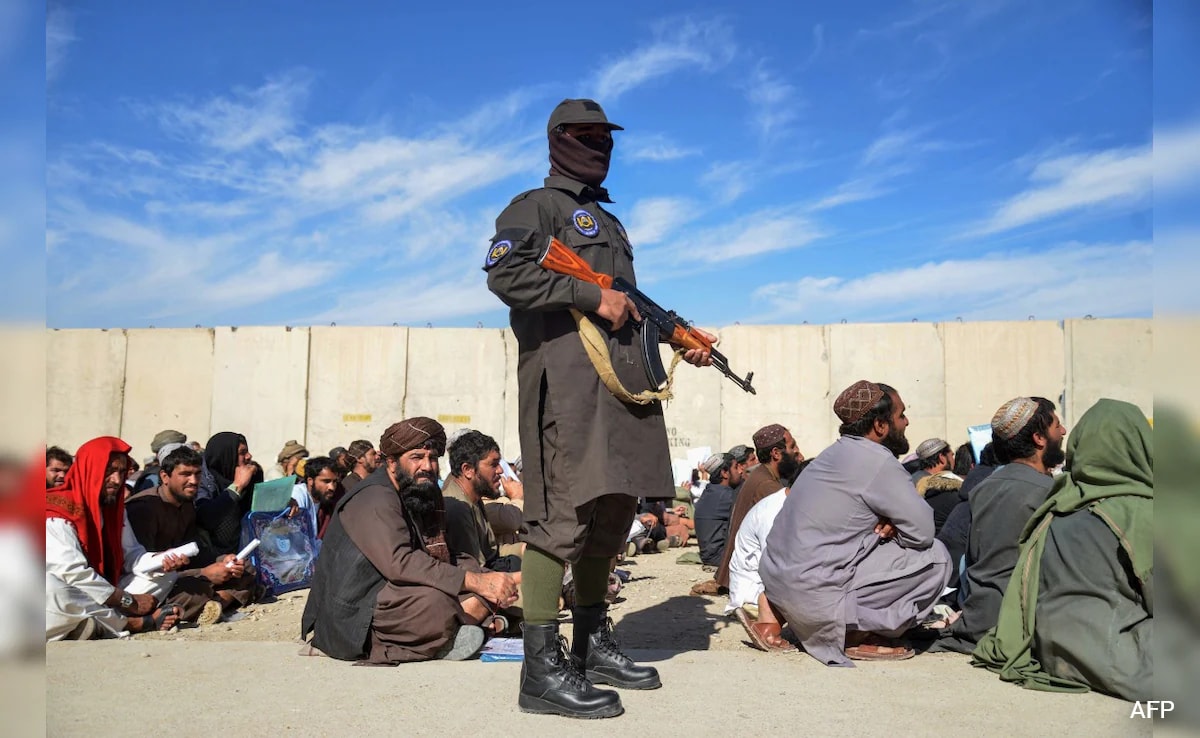
The Taliban in Afghanistan has approved a new law that divides people into four classes.
The top class is religious scholars, followed by elites, the middle class, and the lower class.
This law means that if someone does something wrong, their punishment depends on their class.
Religious scholars might just get advice, elites might not go to jail, but the lower class could go to jail or even get punished in public.
The law also allows slavery and harsh punishments.
Many people, including human rights groups and the United Nations, are very worried about this law because it treats people unfairly and allows cruel punishments.

Taliban supreme leader Hibatullah Akhundzada approved a new 119-article Criminal Procedure Code on January 4, 2026.
The code divides citizens into four legal classes, with punishments varying by social status.
Religious scholars receive advice, elites avoid jail, middle-class citizens may face prison, and lower-class individuals can face imprisonment and corporal punishment.
The code recognizes slavery and allows harsh punishments, including public flogging.
Human rights groups and the UN have criticized the code for violating basic rights and international standards.
- Who
- Taliban supreme leader Hibatullah Akhundzada and Afghan citizens
- What
- Approval of a new 119-article Criminal Procedure Code
- Where
- Afghanistan
- When
- January 4, 2026
- Why
- To regulate judicial proceedings under Taliban rule
Key facts
- Date Issued
- January 4, 2026
- Number of Articles
- 119
- Legal Classes
- Religious scholars, elites, middle class, lower class
- Punishments for Lower Class
- Imprisonment, corporal punishment, public flogging
- Slavery Recognition
- Yes, using the term 'ghulam' or 'slave'
- International Response
- Criticism from human rights groups and UN
- UN Special Rapporteur
- Richard Bennett
Quotes
Rawadari
An Afghan human rights organization that tracks violations and pushes for accountability.
“This is not a justice system; it is a legally codified hierarchy of privilege.”
 thetatva.in