

Archive · 29 Jan 2026
Food Adulteration: A Silent Poison Threatening Public Health
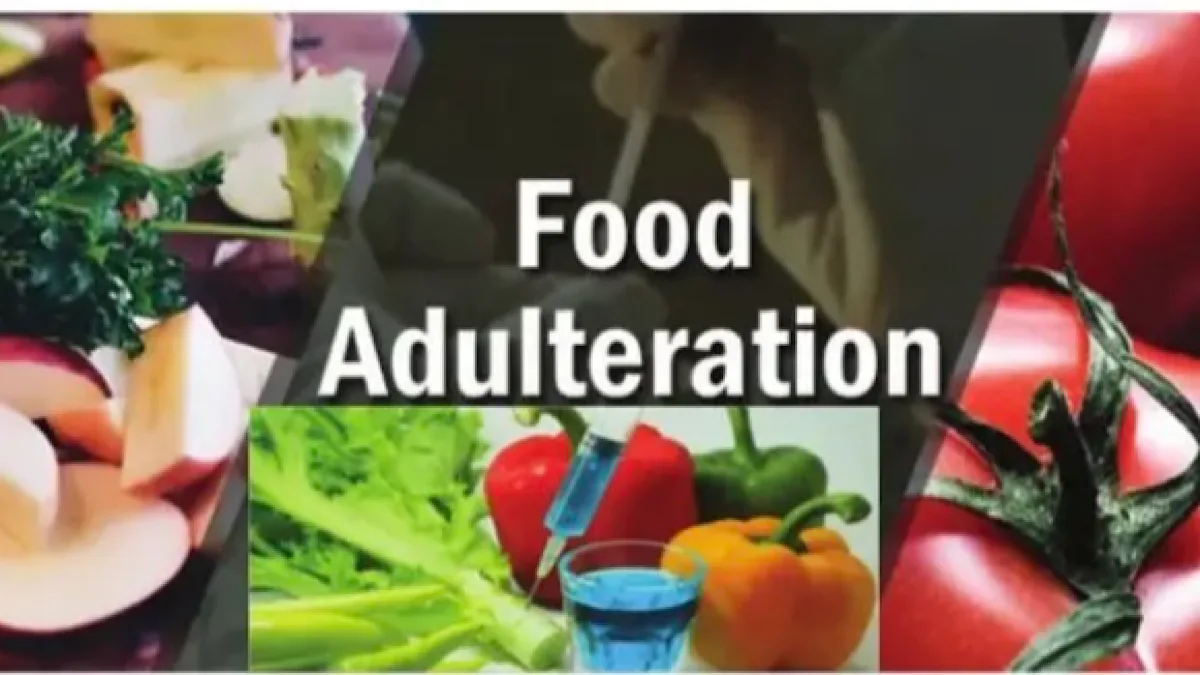
Food adulteration is when bad people mix harmful things into our food to make more money.
This can make us very sick because the food we eat every day might have dangerous chemicals.
Poor people who eat street food are especially at risk.
The government has rules to stop this, but sometimes they can't catch all the bad guys.
There are ways to check our food at home, like special kits, and we should always buy food from trusted places.
If we all work together, we can make sure our food is safe and healthy.

Food adulteration is a widespread issue driven by economic greed and systemic gaps, affecting public health and trust in food safety.
Common adulterants include water in milk, cheaper oils, carcinogenic dyes, and toxic chemicals, leading to severe health issues like organ damage and cancer.
Regulatory bodies like FSSAI set standards and enforce penalties, but enforcement is often patchy due to limited manpower and sprawling supply chains.
Consumers can use home test kits and report fraud to reduce exposure to adulterated food, while industries must uphold hygiene and honest labelling.
Technological solutions like blockchain for traceability and rapid home test kits can help combat food adulteration, but awareness and collective action are crucial for long-term change.
- Who
- Producers, middlemen, consumers, regulatory bodies, and industries
- What
- Food adulteration, a practice of adding harmful substances to food for profit
- When
- Ongoing issue with historical roots and increasing sophistication
- Where
- Widespread, particularly affecting poor and vulnerable populations
- Why
- Driven by economic greed, enabled by systemic gaps, and sustained by consumer ignorance
- Primary Cause
- Economic greed, systemic gaps, consumer ignorance
- Common Adulterants
- Water in milk, cheaper oils, carcinogenic dyes, toxic chemicals
- Health Impacts
- Digestive problems, organ damage, cancer, neurological issues
- Regulatory Body
- Food Safety and Standards Authority (FSSAI)
- Consumer Solutions
- Home test kits, reporting fraud, choosing trusted sources
- Industry Responsibility
- Hygiene, tamper-proof packaging, honest labelling
- Technological Solutions
- Blockchain for traceability, rapid home test kits
- Perception Issue
- Patchy enforcement, offenders often escape punishment