

Archive · 20 Jul 2026
Rural Solar Cuts Electricity Costs by 53%
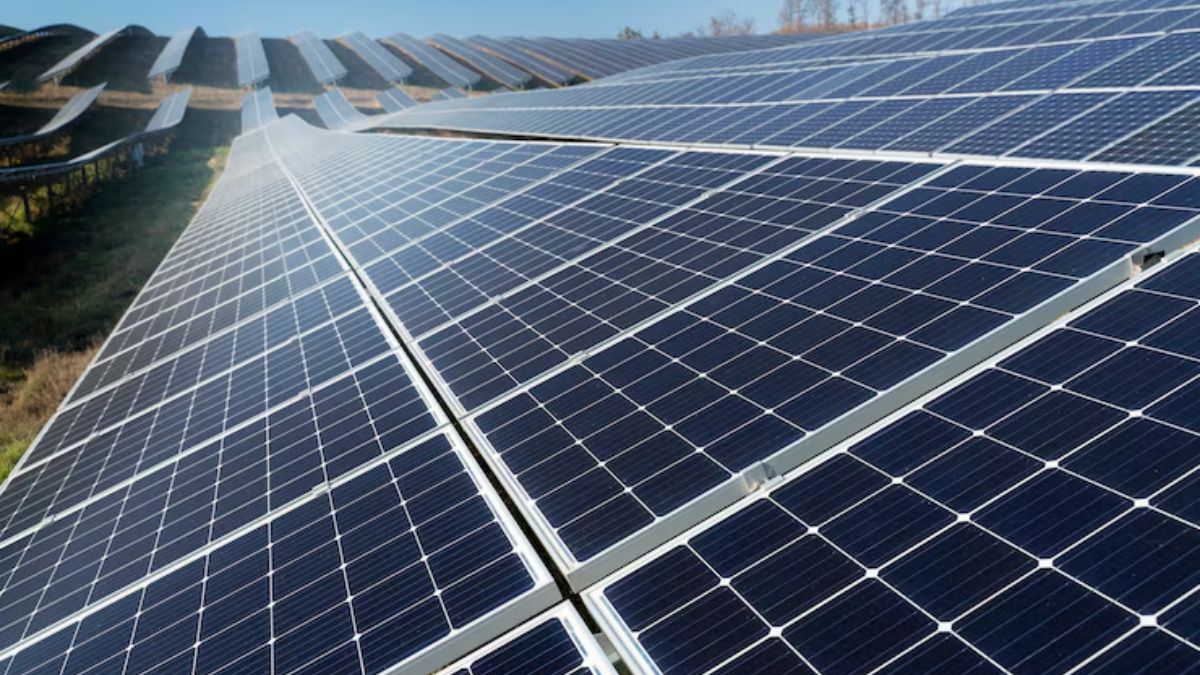
A new study found that solar power in rural areas can be much cheaper than the electricity bought by state companies.
In two places, Maharashtra and Assam, solar power costs about ₹3-4 per unit with subsidies, which is much lower than what the state companies pay.
Even without subsidies, it's still cheaper.
However, adding batteries to store solar power makes it more expensive.
The study suggests that India should plan better for using solar power in villages to meet its clean energy goals.
India wants to have 500 GW of non-fossil fuel energy by 2030, and solar power can help achieve this.

Rural solar systems can reduce electricity costs by up to 53% compared to state utility purchase costs.
In Maharashtra’s Hiware Bazar, solar power costs ₹3.06 per unit with subsidy, 47% below the state’s purchase cost.
In Assam’s Bamun Sualkuchi, solar power costs ₹4.03 per unit with subsidy, 53% below the state’s purchase cost.
Adding batteries increases costs, making solar power only marginally cheaper or sometimes more expensive than state purchase costs.
India aims to have 500 GW of non-fossil fuel energy by 2030, with distributed renewable systems playing a significant role.
- Who
- International Institute for Sustainable Development and Idam Infrastructure Advisory
- What
- Study on rural solar electricity costs
- When
- Not specified
- Where
- Hiware Bazar, Maharashtra and Bamun Sualkuchi, Assam
- Why
- To assess the feasibility and cost-effectiveness of rural solar projects
- Location
- Hiware Bazar, Maharashtra and Bamun Sualkuchi, Assam
- Solar Project Capacity (Hiware Bazar)
- 980 kW
- Solar Project Capacity (Bamun Sualkuchi)
- 1,318 kW
- Cost with Subsidy (Hiware Bazar)
- ₹3.06 per unit
- Cost without Subsidy (Hiware Bazar)
- ₹4.09 per unit
- Cost with Subsidy (Bamun Sualkuchi)
- ₹4.03 per unit
- Cost without Subsidy (Bamun Sualkuchi)
- ₹6.01 per unit
- State Purchase Cost (Maharashtra)
- ₹5.8 per unit
- State Purchase Cost (Assam)
- ₹8.5 per unit
- Battery Impact (Hiware Bazar)
- Increased cost to ₹5.44 per unit with 350-kW/1,400-kWh battery
- Battery Impact (Bamun Sualkuchi)
- Increased cost to ₹9.8 per unit with 500-kW/2,000-kWh battery
- India's Renewable Target
- 500 GW by 2030
- Current Renewable Capacity
- 283 GW (excluding large hydro)
- Distributed Renewable Systems
- 55 GW (24% of renewable capacity)
- DRE Sourcing Requirement
- 5% by 2030 (about 63 GW)