Archive · 11 Aug 2025
Post-Transplant Kidney Care: What Patients Need To Know
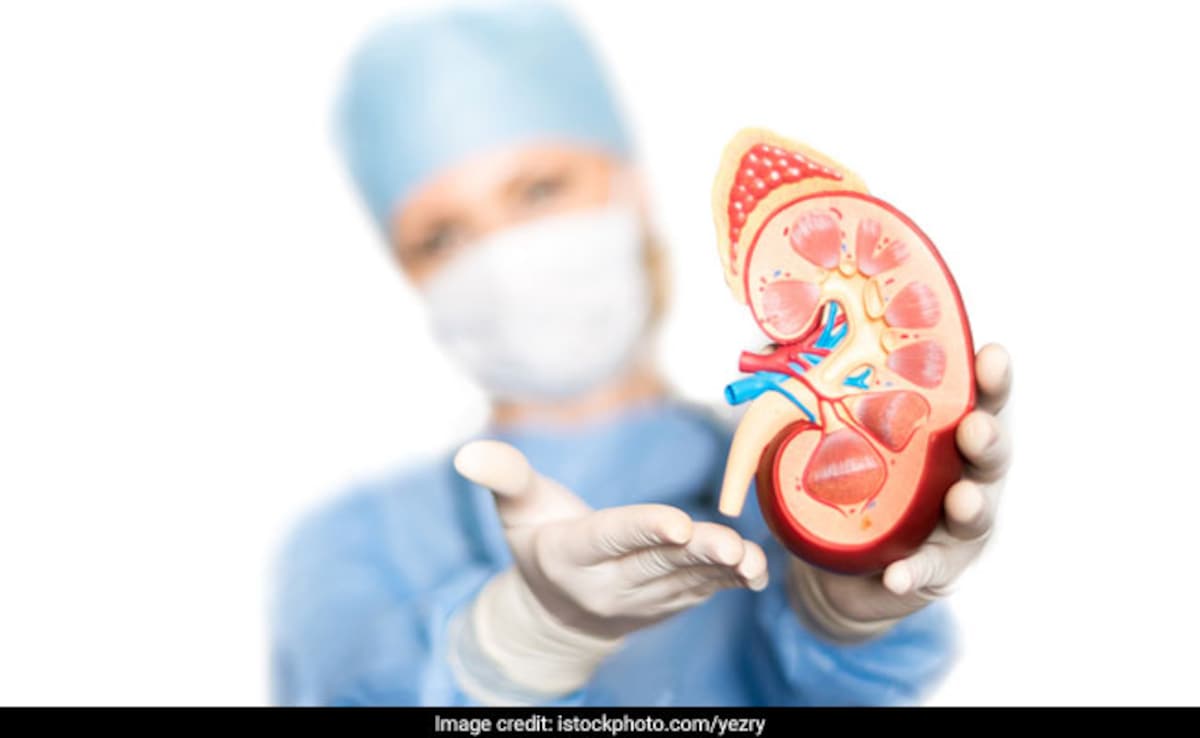
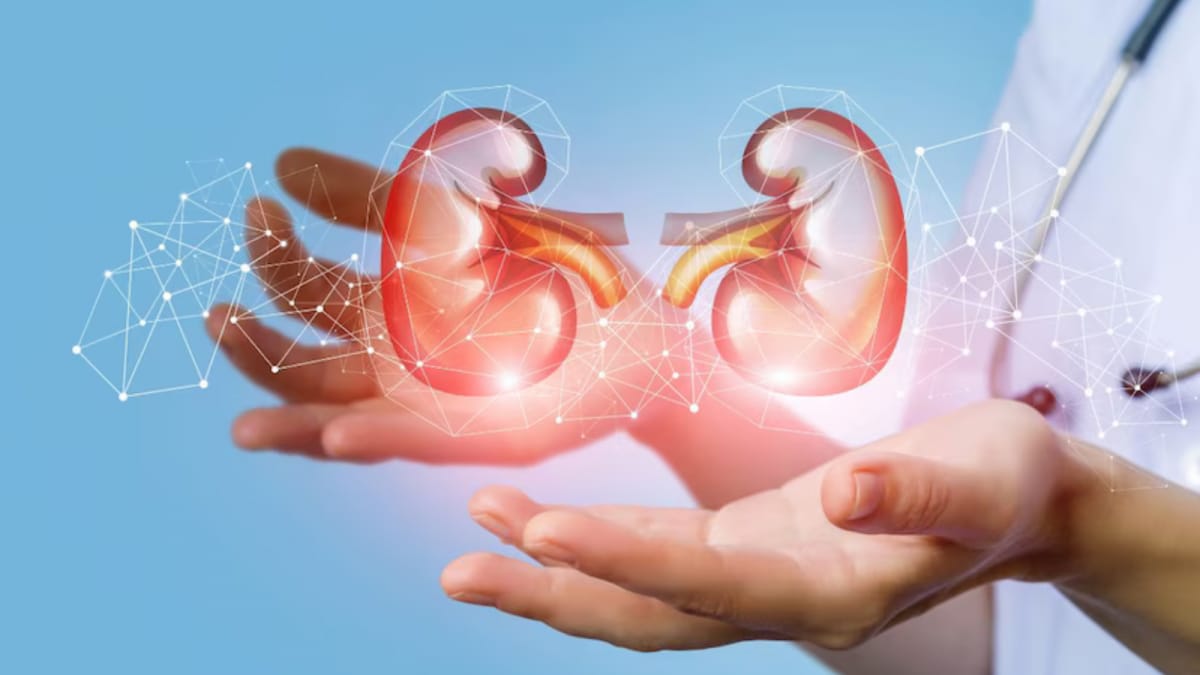
When your kidneys stop working, a new kidney from a donor can help.
After surgery, you will spend time in the hospital, and the doctors will be closely monitoring your kidney function.
You will have to take special medicines for the rest of your life to prevent your body from rejecting the new kidney.
Regular check-ups are also very important.
You will need to change what you eat, be extra careful about cleanliness, and avoid things like smoking and drinking alcohol to keep your new kidney healthy.
It may take a few months to get back to normal activities.

Kidney transplants involve placing a healthy kidney into a person with kidney failure.
Patients experience initial hospital recovery with close monitoring of kidney function.
Lifelong immunosuppressant medication is essential to prevent organ rejection.
Regular checkups and tests are required to monitor kidney health post-transplant.
Lifestyle adjustments, including diet and hygiene, are crucial for long-term health.
- Who
- Patients who have received kidney transplants.
- What
- What to expect after a kidney transplant, including recovery, medication, and lifestyle adjustments.
- When
- Information provided as of August 10, 2025.
- Where
- The article does not specify a location.
- Why
- To help patients understand post-transplant care and improve their well-being.
- Key Concern
- Preventing organ rejection
- Medication
- Lifelong immunosuppressants
- Diet
- Kidney-friendly diet is recommended
- Recovery
- Gradual return to normal life within 6-12 weeks.
- Checkups
- Frequent for the first few months, lifelong check-ups