

1 hr ago
Tata Sons Faces Listing and Leadership Tests at Board Meeting

Tata Sons is the company that sits behind many Tata businesses.
Its board is meeting while it faces two major questions.
The Reserve Bank of India has said the company cannot avoid a possible stock-market listing.
Tata Trusts, which owns most of Tata Sons, does not want that listing, while another shareholder supports it.
A listing could make the company’s finances more open to the public.
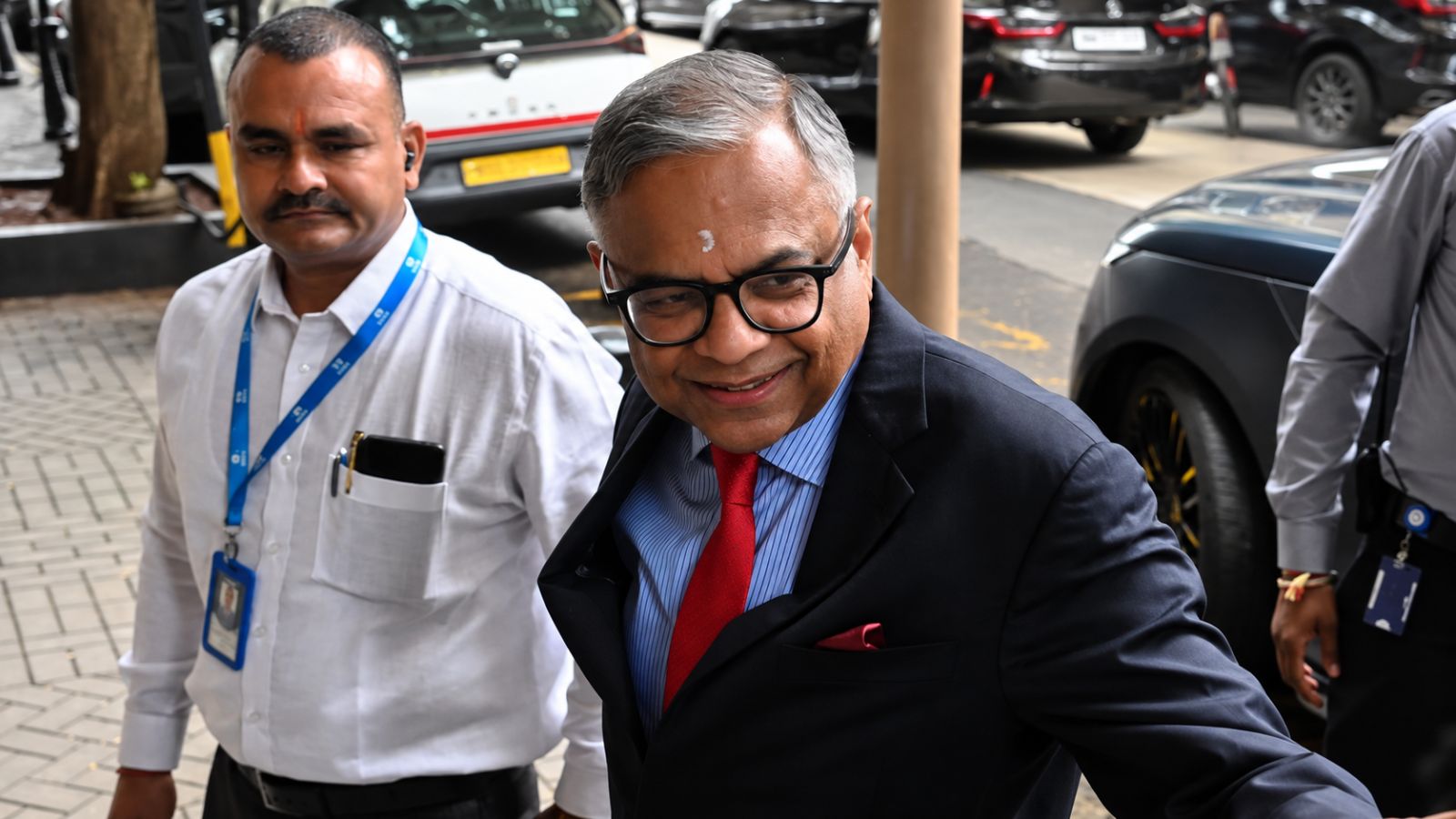
Tata Sons also needs to plan for a new chairman because N Chandrasekaran does not currently want another term after February 2027.
Choosing a successor may be difficult because one important trust cannot hold trustee meetings.
Directors may ask Chandrasekaran to stay while these issues are being handled.

The Tata Sons board is expected to discuss the Reserve Bank of India’s rejection of its deregistration application.
The rejection revives a requirement for Tata Sons to list after it was classified as an upper-layer non-banking financial company.
Tata Trusts, which owns about 66% of Tata Sons, opposes listing, while the Shapoorji Pallonji group, holding about 18%, supports it.
Chairman N Chandrasekaran plans to leave when his term ends in February 2027, but directors may ask him to continue.
A succession process could be delayed because the Sir Ratan Tata Trust cannot currently convene trustee meetings amid Maharashtra Charity Commissioner proceedings.
- Who
- The Tata Sons board, Tata Trusts, the Shapoorji Pallonji group, N Chandrasekaran and the Reserve Bank of India are central to the developments.
- What
- The board is considering Tata Sons’ response to the RBI’s deregistration rejection, a possible listing and leadership succession.
- Where
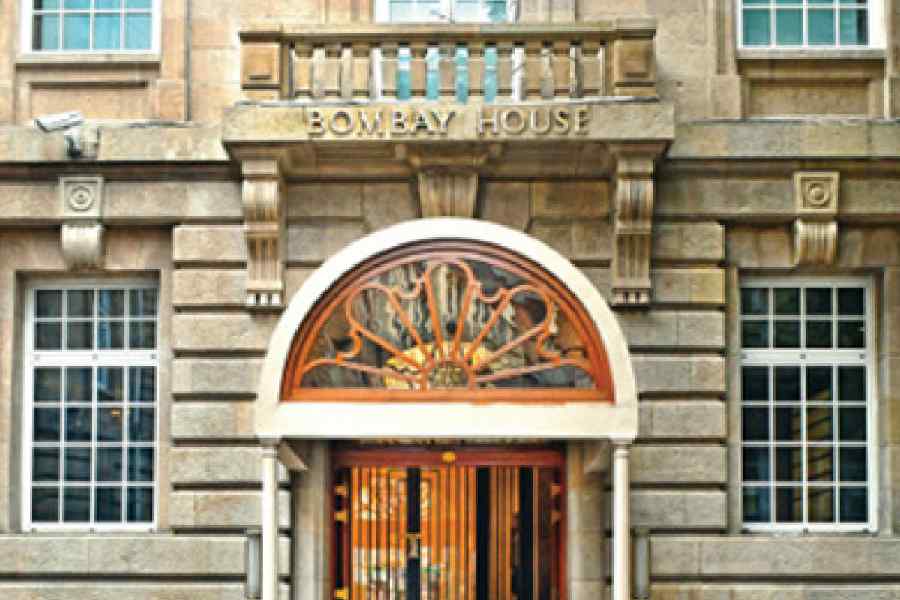
- The meeting is taking place at Bombay House.
- When
- The board meeting is scheduled for Thursday; Chandrasekaran’s current tenure ends in February 2027.
- Why
- The RBI rejected Tata Sons’ application to surrender its core investment company registration, reviving a listing requirement, while the chairman’s planned departure creates a succession issue.
Arguments Against Listing
Arguments For Listing
Ownership and control
Arguments Against Listing
Tata Trusts opposes a listing and is concerned that public ownership could affect its special rights and the relationship between the Trusts and Tata Sons.
Arguments For Listing
The Shapoorji Pallonji group supports a listing as a way to secure liquidity for its stake.
Governance and transparency
Arguments Against Listing
Tata Trusts wants Tata Sons to exhaust options, including asking the RBI to reconsider its decision, before pursuing legal action or accepting a listing.
Arguments For Listing
InGovern says Tata Sons has outgrown a private, closely held holding-company model and that listing would improve transparency and accountability.
Leadership continuity
Arguments Against Listing
Chandrasekaran has told directors he does not intend to seek a third term, allowing the succession process to proceed when possible.
Arguments For Listing
The nomination and remuneration committee may recommend that he continue because continuity could help Tata Sons manage listing, regulatory and governance challenges.
Key facts
- Tata Trusts ownership
- Tata Trusts collectively owns about 66% of Tata Sons.
- Shapoorji Pallonji stake
- The Shapoorji Pallonji group holds approximately 18% of Tata Sons.
- RBI classification
- The RBI classified Tata Sons as an upper-layer non-banking financial company in September 2022.
- Deregistration application
- Tata Sons applied for deregistration in March 2024 after repaying more than Rs 21,000 crore of debt.
- Listing deadline
- The RBI classification required Tata Sons to list within three years.
- Chairman’s planned exit
- N Chandrasekaran said he would not seek another term after his tenure ends in February 2027.
- Proxy adviser recommendation
- InGovern urged the board to begin the listing process and address related regulatory and governance issues.
Sources
Related news
Tata Sons Board Weighs Listing, Chandra’s Future, AGM Impasse

Tata Sons Board Weighs RBI Order, IPO and Leadership
RBI Rejection Puts Tata Sons IPO and Leadership in Focus
RBI Rejects Tata Sons Exit Bid, Reviving Mandatory Listing
RBI Caveat Raises Stakes in Tata Sons Listing Dispute
Tata Sons Faces IPO Deadline After RBI Rejects Deregistration

Behari Lal Engineering IPO Subscribed 2.10 Times on Day 2

Bharat Forge posts Rs 90 crore loss despite revenue growth

Bharat Forge slips to Rs 90 crore loss on restructuring
Tata Sons deregistration hinges on RBI's 'public funds' rule
