

Archive · 22 Jul 2026
Blood Sugar Changes Post-Viral Infections
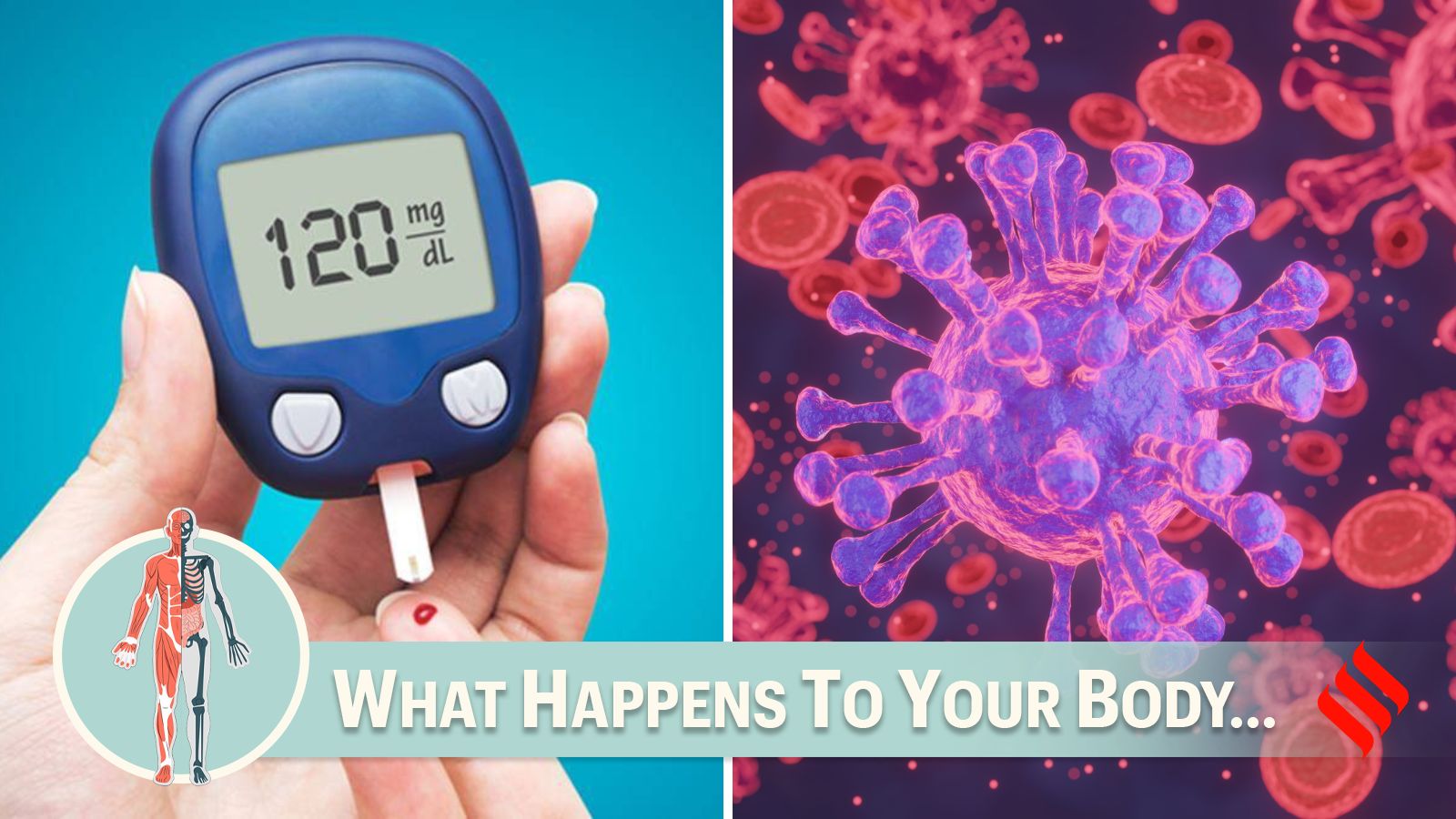
When you recover from a viral infection like COVID-19, your body might still have some issues.
The immune system releases stress hormones and inflammatory chemicals that can affect how your body controls blood sugar.
For most healthy people, this is temporary and goes away on its own.
But for others, especially those with obesity, a family history of diabetes, or existing diabetes, these changes might reveal underlying problems.
If you notice symptoms like excessive thirst, frequent urination, or blurred vision for several weeks after recovering, it's important to see a doctor.
This is because these symptoms might indicate a more serious metabolic condition that needs attention.

Viral infections trigger a stress response, releasing hormones like cortisol and adrenaline that can increase blood glucose levels.
Post-infection, some individuals may experience elevated blood sugar despite feeling better clinically.
People with obesity, a family history of diabetes, or existing diabetes are at higher risk of post-viral blood sugar changes.
Warning signs include excessive thirst, frequent urination, unexplained weight loss, and blurred vision.
Medical evaluation is recommended if elevated glucose levels persist for several weeks or if warning signs appear.
- Who
- Individuals recovering from viral infections, particularly those with pre-existing conditions
- What
- Temporary elevation in blood sugar levels post-recovery
- When
- During and after a viral infection
- Where
- Globally applicable
- Why
- Due to the body's stress response and inflammatory chemicals affecting glucose regulation
General Public Awareness
Medical Expertise
Awareness of Post-Infection Effects
General Public Awareness
Most people are unaware that viral infections can affect blood sugar levels post-recovery.
Medical Expertise
Medical experts understand the metabolic impact of viral infections and can guide patients accordingly.
- Primary Cause
- Stress response and inflammatory chemicals
- Key Hormones Involved
- Cortisol and adrenaline
- At-Risk Groups
- Obesity, family history of diabetes, prediabetes, metabolic syndrome, existing diabetes
- Warning Signs
- Excessive thirst, frequent urination, unexplained weight loss, blurred vision
- Recommended Action
- Consult a doctor if symptoms persist for several weeks