

Archive · 28 Jul 2026
Sundarbans Tiger Population Rises, Cub Sightings Indicate Success
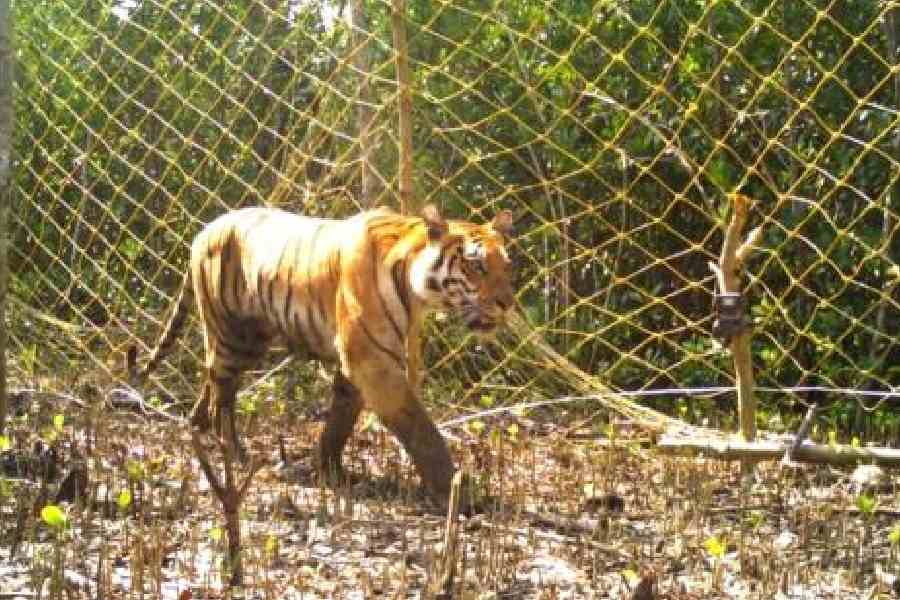
The Sundarbans, a unique mangrove forest shared by India and Bangladesh, is seeing a rise in its tiger population.
Officials have reported that the number of tigers has increased, and there have been sightings of healthy cubs.
This is great news because it shows that the efforts to protect tigers in this area are working.
The Sundarbans can support about 4.68 tigers per 100 square kilometers, and currently, there are around 105 to 110 tigers.
The forest officials are using camera traps to monitor the tigers, and they are planning to share more details soon.
However, with more tigers, there is a concern about potential conflicts between humans and wildlife, especially since there are no tiger corridors linking the Sundarbans to other reserves.
Experts suggest that better coordination between India and Bangladesh is needed to ensure the continued success of tiger conservation in the Sundarbans.

The tiger population in the Sundarbans has increased to between 105 and 110.
Sightings of healthy cubs indicate successful conservation efforts.
The Sundarbans has a carrying capacity of 4.68 tigers per 100sqkm.
Fieldwork for the 2025-26 All India Tiger Estimation began in late 2025.
Experts call for improved coordination between India and Bangladesh for tiger conservation.
- Who
- Bengal forest minister Manoj Oraon, forest officials, conservationists
- What
- Increase in tiger population and sightings of healthy cubs in the Sundarbans
- When
- Current estimates and fieldwork conducted between November 2025 and January 2026
- Where
- Sundarbans mangrove delta, spanning India and Bangladesh
- Why
- Successful conservation efforts and unique ecosystem characteristics
Conservation Success
Potential Human-Wildlife Conflict
Conservation Efforts
Conservation Success
The rise in tiger population and sightings of healthy cubs indicate successful conservation efforts in the Sundarbans.
Potential Human-Wildlife Conflict
Increased tiger population may lead to human-wildlife conflict due to limited space and dispersal issues.
- Current Tiger Population
- 105-110
- Tiger Density
- 4.27 tigers per 100sqkm
- Carrying Capacity
- 4.68 tigers per 100sqkm
- Total Area of Sundarbans
- 10,000sqkm (4,000sqkm in India)
- Sundarbans Tiger Reserve Area
- 2,600sqkm
- South 24-Parganas Division Area
- 1,100sqkm
- Camera Traps Installed
- 1,400