Archive · 21 Jan 2026
NASA Captures Largest Solar Storm in 23 Years

NASA captured a powerful solar flare from the Sun on January 18, 2024.
This flare, classified as X1.9, is the most intense type.
It didn't harm people on Earth but caused a severe geomagnetic storm, the strongest in 23 years.
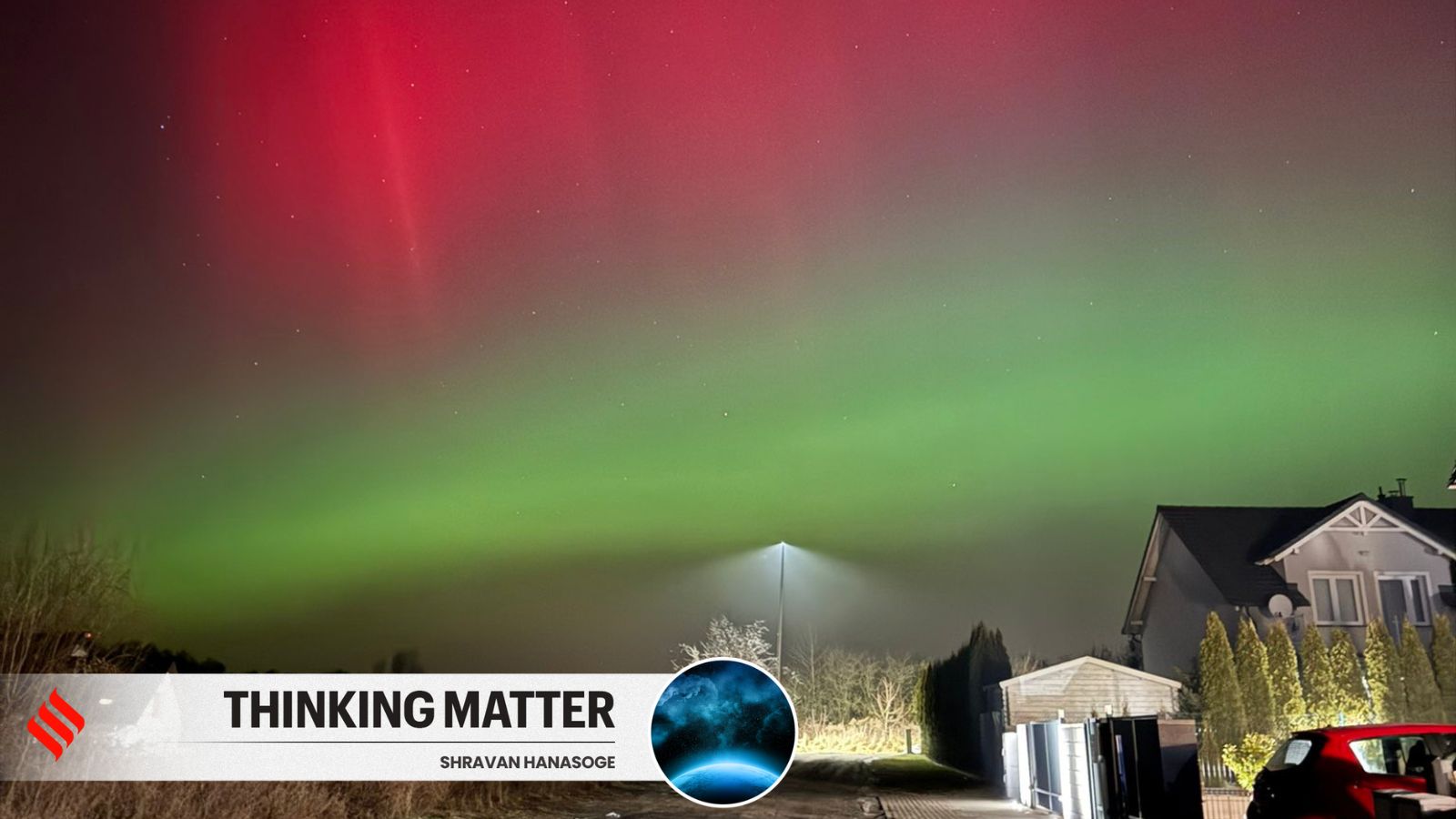
This storm started affecting Earth on January 21 and caused beautiful northern lights, or auroras, to be seen in places like Southern California, Canada, and several European countries.
The storm can cause some problems with technology like GPS and power grids, but scientists are monitoring it to keep everything safe.

NASA captured a powerful X1.9 solar flare on January 18, 2024, which peaked at 18:09 GMT.
The flare caused a severe geomagnetic storm, the strongest in 23 years, starting on January 21.
Auroras were reported in multiple countries, including Southern California, Canada, and several European nations.
The storm can impact radio communications, electric power grids, and GPS signals but poses no direct harm to humans on Earth.
Infrastructure operators have been notified to mitigate potential technological impacts.
- Who
- NASA, US National Weather Service’s Space Weather Prediction Center (SWPC)
- What
- Largest solar storm in 23 years, severe geomagnetic storm, auroras
- When
- January 18, 2024 (solar flare), January 21, 2024 (geomagnetic storm impact)
- Where
- Earth, with auroras reported in multiple countries
- Why
- Solar flare and coronal mass ejection (CME) from the Sun
Scientific Perspective
Public Perception
Impact on Technology
Scientific Perspective
Scientists emphasize that while the storm can affect radio communications, electric power grids, and GPS signals, it poses no direct harm to humans on Earth. They are monitoring the situation to mitigate potential technological impacts.
Public Perception
The public may perceive the storm as a significant threat to technology and infrastructure, leading to concerns about potential disruptions in daily life.
- Date of Solar Flare
- January 18, 2024
- Time of Solar Flare Peak
- 18:09 GMT (11:39 PM IST)
- Classification of Solar Flare
- X1.9
- Geomagnetic Storm Level
- G4 (out of 5)
- Aurora Sightings
- Greenland, Austria, Germany, France, Switzerland, Belgium, Norway, Denmark, Netherlands, Canada, Croatia, Southern California
- Time of CME Impact
- 2.38 pm EST (1938 GMT) on January 19, 2024
Sources
NASA captures largest solar storm in over 20 years: What does it impact? Auroras sightings reported

NASA Spots Massive Solar Eruption, NOAA Issues Severe Storm Alert: Will It Affect Earth And Humans?

Powerful solar storm lights up skies with rare Northern Lights displays; videos emerge
Largest solar storm in 20 years: What on Earth it means