

Archive · 5 Nov 2025
India Faces Metabolic Crisis Amidst Ozempic Approval and Access Debates
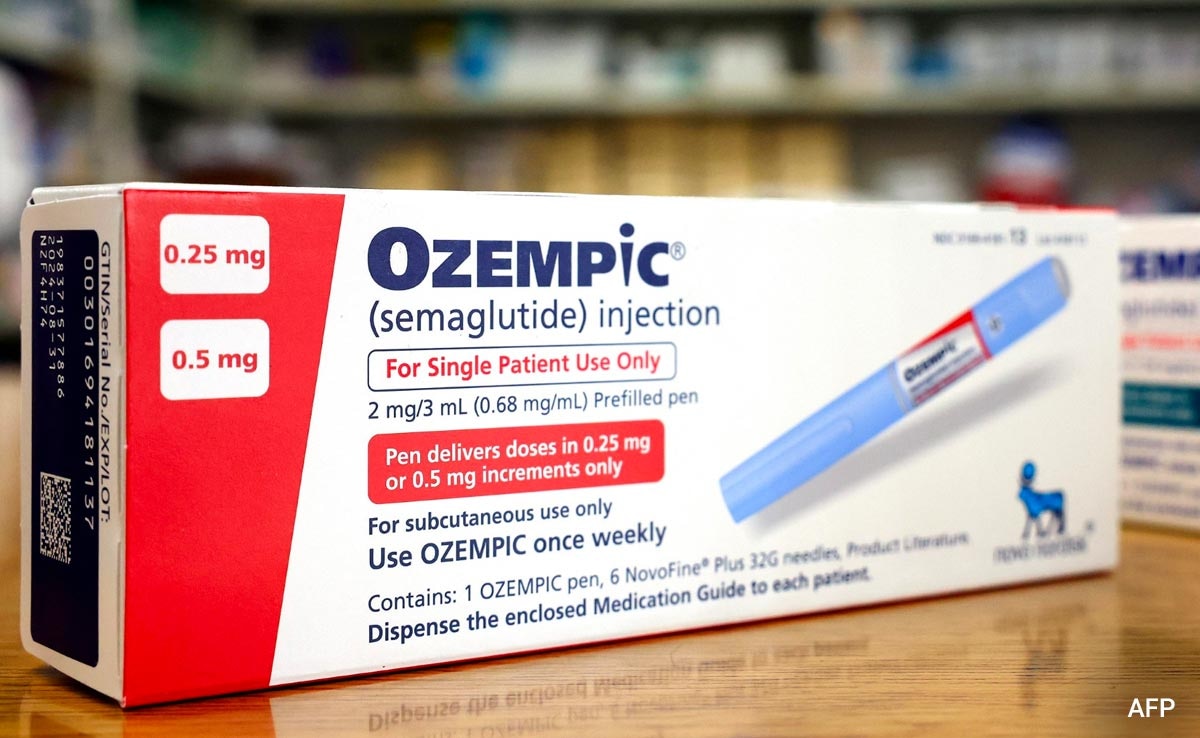
Imagine many people in India have sugar problems (diabetes) and are overweight, which can lead to heart and kidney issues.
A new medicine called Ozempic, which is an injection, has been approved.
It helps control sugar and lose weight.
However, it costs a lot of money, making it hard for most people to afford.
Some people think the government should control the price to make it cheaper, like other medicines.
Others believe that companies need to make profits to invent new medicines and that competition with generic versions after the patent expires will lower prices naturally.
There are also concerns that rich people might use it for looks while poor people can't even afford basic insulin.
Doctors warn about side effects, and some worry about people losing muscle instead of fat.
The debate is about how to make sure life-saving medicines are available to everyone, whether through government rules or by letting the market work.
The goal is to help people get healthier without making the gap between rich and poor even wider.

India faces a metabolic crisis with high rates of diabetes and obesity, projected to worsen public health.
Ozempic, a semaglutide injection for type-2 diabetes, has been approved in India, with expected high monthly costs.
Debates are ongoing regarding government price controls versus market-based approaches for drug accessibility.
Concerns exist about a growing class divide, where affluent individuals can access expensive weight-loss drugs while others struggle with basic treatments.
The article advocates for market creativity, regulatory facilitation, and competition to ensure equitable access to new therapies.
- Who
- Adults with type-2 diabetes, pharmaceutical companies (Novo Nordisk, Eli Lilly), regulators (CDSCO), healthcare providers, and patients.
- What
- Approval and impending launch of Ozempic (semaglutide) and similar drugs for type-2 diabetes and weight management, sparking debates on accessibility, pricing, regulation, and ethical use.
- When
- Ozempic approved September 2025, expected launch by December 2025, patent expiry March 2026.
- Where
- India.
- Why
- To address India's growing metabolic crisis (diabetes, obesity) and the potential of new therapies, while grappling with issues of affordability, access, and regulation.
Government Regulation and Control
Market-Based Approaches and Individual Choice
Drug Pricing and Accessibility
Government Regulation and Control
Government intervention through price caps and compulsory licenses is necessary to make life-saving medicines like Ozempic accessible to ordinary Indians, preventing monopolistic rents and ensuring affordability. The state should prevent patent abuse and cartelization.
Market-Based Approaches and Individual Choice
Market-based solutions, tiered pricing, patient-assistance programs, public-private partnerships, and open competition for generics after patent expiry are more effective in expanding access sustainably without deterring innovation or reducing supply. Price discovery belongs in the marketplace.
Role of Innovation and Profit
Government Regulation and Control
While innovation is crucial, the profit motive must be balanced with public health needs, and government regulation is essential to ensure equitable access and prevent exploitation. The focus should be on patient welfare over profit.
Market-Based Approaches and Individual Choice
The profit motive is a vital driver of innovation and progress, as demonstrated by the development of Ozempic. Companies should be free to invest, take risks, and profit from success, with predictable regulations and respected intellectual property rights.
Patient Choice and Medical Advice
Government Regulation and Control
The state has a duty to ensure accurate labeling, safety data, and education about risks. Responsible prescribing and medical supervision are paramount, with a focus on preventing misuse and potential harms like malnutrition.
Market-Based Approaches and Individual Choice
Adults should have the liberty to make informed decisions about their own bodies. The state's role should be to ensure accurate labelling and safety data, but medical supervision and patient education, not bureaucratic suspicion, should guide treatment choices.
- Diabetes Prevalence
- Nearly 90 million Indian adults (10.5%) aged 20-79 have diabetes.
- Obesity Prevalence
- Nearly a quarter of Indian adults are obese; abdominal obesity exceeds 40% among women.
- Ozempic Approval
- Approved by CDSCO in September 2025 for type-2 diabetes in adults.
- Ozempic Expected Price
- ₹10,000 - ₹20,000 per month.
- Ozempic Side Effects
- Gastrointestinal issues (nausea, vomiting, diarrhea), pancreatitis, gallbladder disease, kidney injury, potential muscle mass loss, nutritional deficiencies.
- Ozempic Patent Expiry
- March 2026.
- Tirzepatide (Mounjaro) Price
- ₹14,000 - ₹27,000 per month.