Archive · 10 Oct 2026
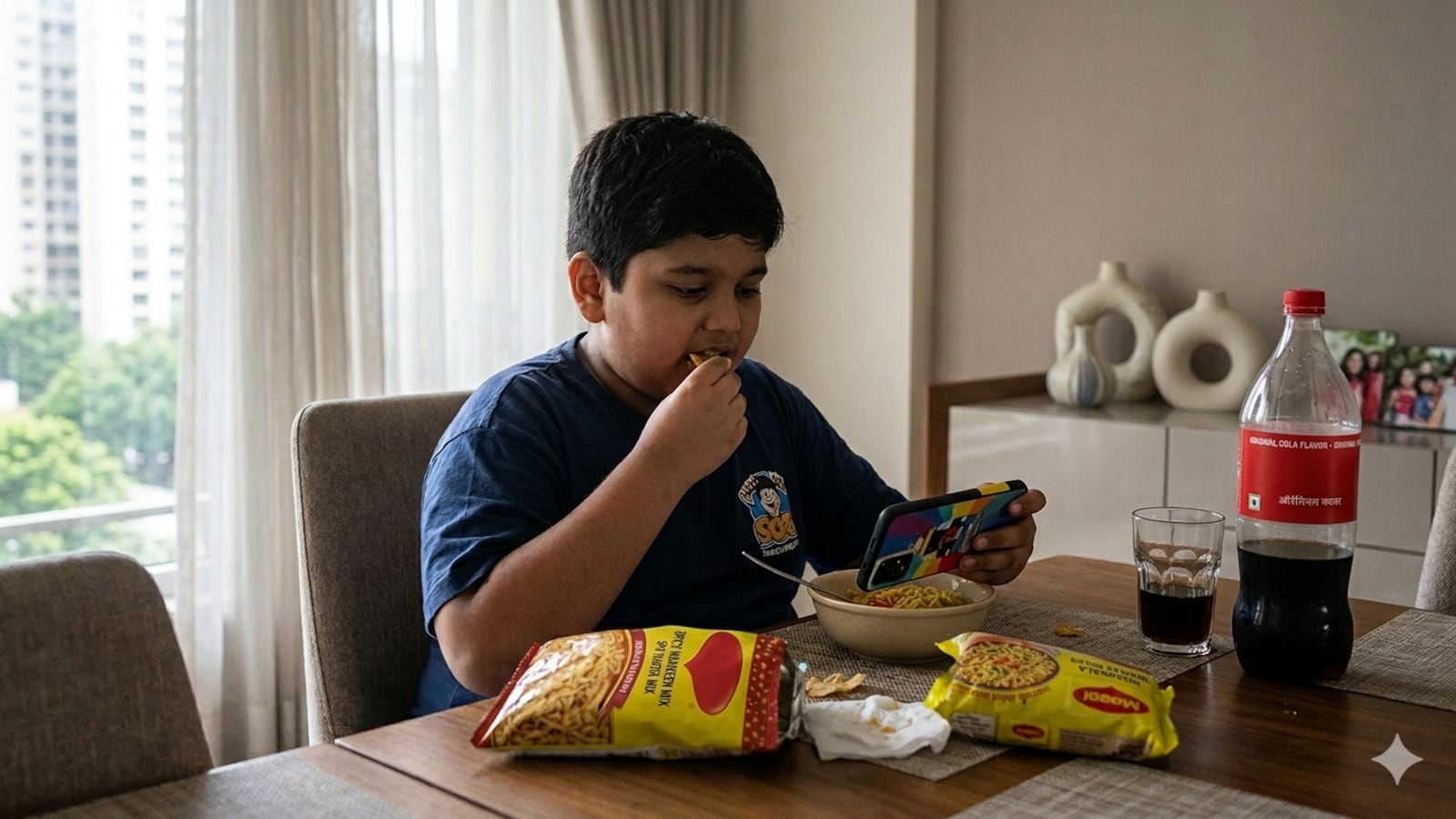
WHO Childhood Obesity Guidance Calls for Early, Family-Centred Care

The World Health Organization has made its first worldwide guide for helping children with obesity.
It says support with food, movement and behaviour should come first.
Families can work on healthy habits together, and doctors can check a child's growth and health.
A child with extra weight may still lack important nutrients.
Obesity can also affect health even when a child seems well.
The guidance does not recommend weight-loss medicines for children under 10.
For some teenagers, a doctor may consider approved medicines if other support has not helped enough.
The articles say India needs to address both undernutrition and obesity.
They also say schools and public systems can help make healthy choices easier.
The goal is better health, not making children feel ashamed.

The World Health Organization has issued its first global guidelines for managing obesity in children and adolescents.
The guidelines prioritize structured dietary support, physical activity and behaviour change, with care involving families and wider systems.
WHO does not recommend obesity medicines for children aged 0–9; approved medicines may be considered for adolescents under medical supervision when lifestyle interventions have not worked sufficiently.
The articles say India faces both undernutrition and childhood obesity, and that excess weight does not necessarily mean a child is well nourished.
The guidance calls for early recognition and sustainable health changes without shaming children; the articles also stress roles for schools, health services and food environments.
- Who
- Children and adolescents with obesity, their families, health professionals, schools and public systems.
- What
- WHO has issued its first global guidelines for managing obesity in children and adolescents, prioritizing lifestyle and behaviour support.
- When
- The articles describe the guidelines as newly issued; no exact publication date is given.
- Where
- The guidelines are global; the articles discuss their significance for India.
- Why
- Childhood obesity can affect health and wellbeing and is associated with a greater likelihood of obesity and noncommunicable diseases in adulthood.
- Guidance
- WHO's first global guidelines for managing obesity in children and adolescents.
- First-line care
- Structured dietary interventions, physical activity and behavioural support.
- Children aged 0–9
- WHO does not recommend pharmacological treatment for this age group.
- Adolescents aged 10–19
- Approved obesity medicines may be considered under medical supervision when multimodal lifestyle interventions have not produced desired results.
- Surgery
- The articles say bariatric surgery may be considered for severe adolescent obesity under specific conditions.
- Global estimate
- WHO estimates around 400 million children and adolescents aged 5–19 were overweight in 2024.
- India projection
- The article cites a projection of more than 27 million children and adolescents in India living with obesity by 2030.
- India's challenge
- The articles describe India as confronting undernutrition and obesity simultaneously.