Archive · 25 Sep 2026
Iran Says US Must Choose Whether to End War
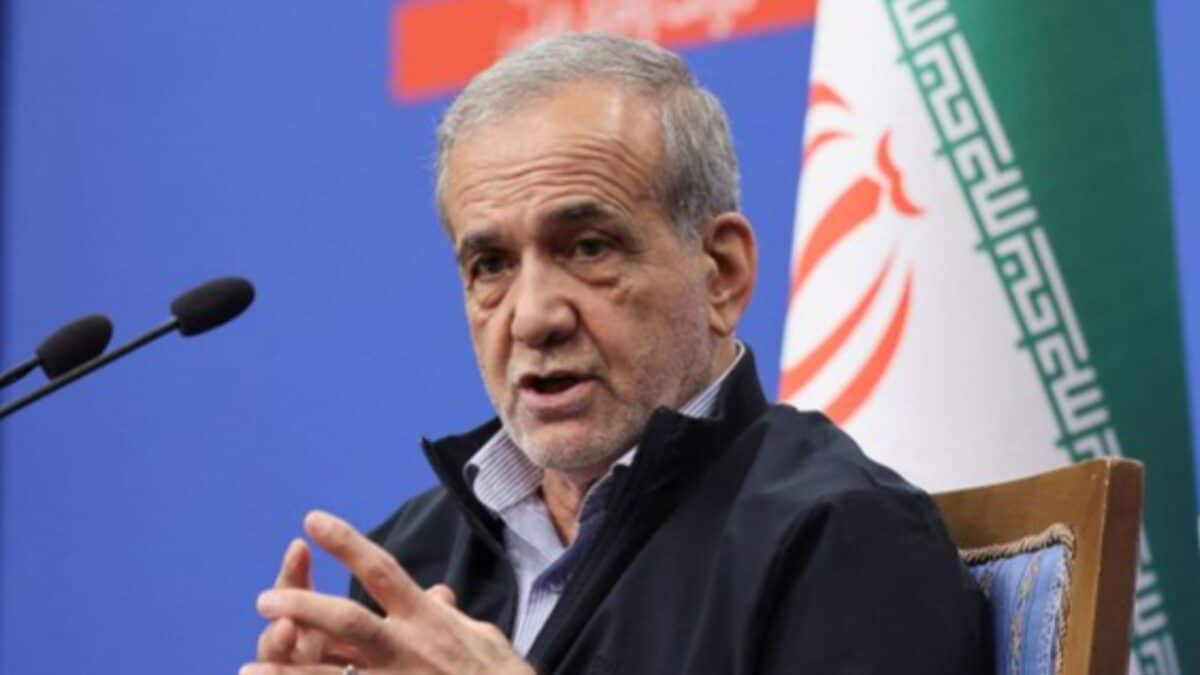
Iran’s president said his country does not want the fighting to continue.
He said the United States must decide whether to help end the war.
Iran says talking is better than using more military force.
Pezeshkian said Iran could make an agreement with Donald Trump.
He said any talks should follow international law.
The report also lists recognition of Iran’s rights, reparations, and protection from future attacks as Iranian conditions.
Pezeshkian questioned why an earlier ceasefire agreement broke down after two weeks.
He said Yemen’s Houthis act independently, although Iran has contact with them.
Talks between Iranian and United States officials in New York did not immediately produce a breakthrough.

Iranian President Masoud Pezeshkian said Tehran does not want to continue fighting and that the United States must decide whether to end the conflict.
Pezeshkian said Iran preferred resolving disputes with the United States through dialogue rather than further military action.
He said Iran remained willing to reach an agreement with Donald Trump if negotiations followed international legal frameworks.
The article’s quick answers listed recognition of Iran’s rights, reparations, and guarantees against future aggression as conditions for ending the conflict.
Pezeshkian denied that Yemen’s Houthis take orders from Iran, saying Tehran has contacts with the group but no formal or systematic relationship.
- Who
- Iranian President Masoud Pezeshkian, the United States, Donald Trump, Israel, and Yemen’s Houthi movement are central to the report.
- What
- Pezeshkian said Iran is open to dialogue and an agreement but does not want to continue fighting, while denying that Iran controls the Houthis.
- When
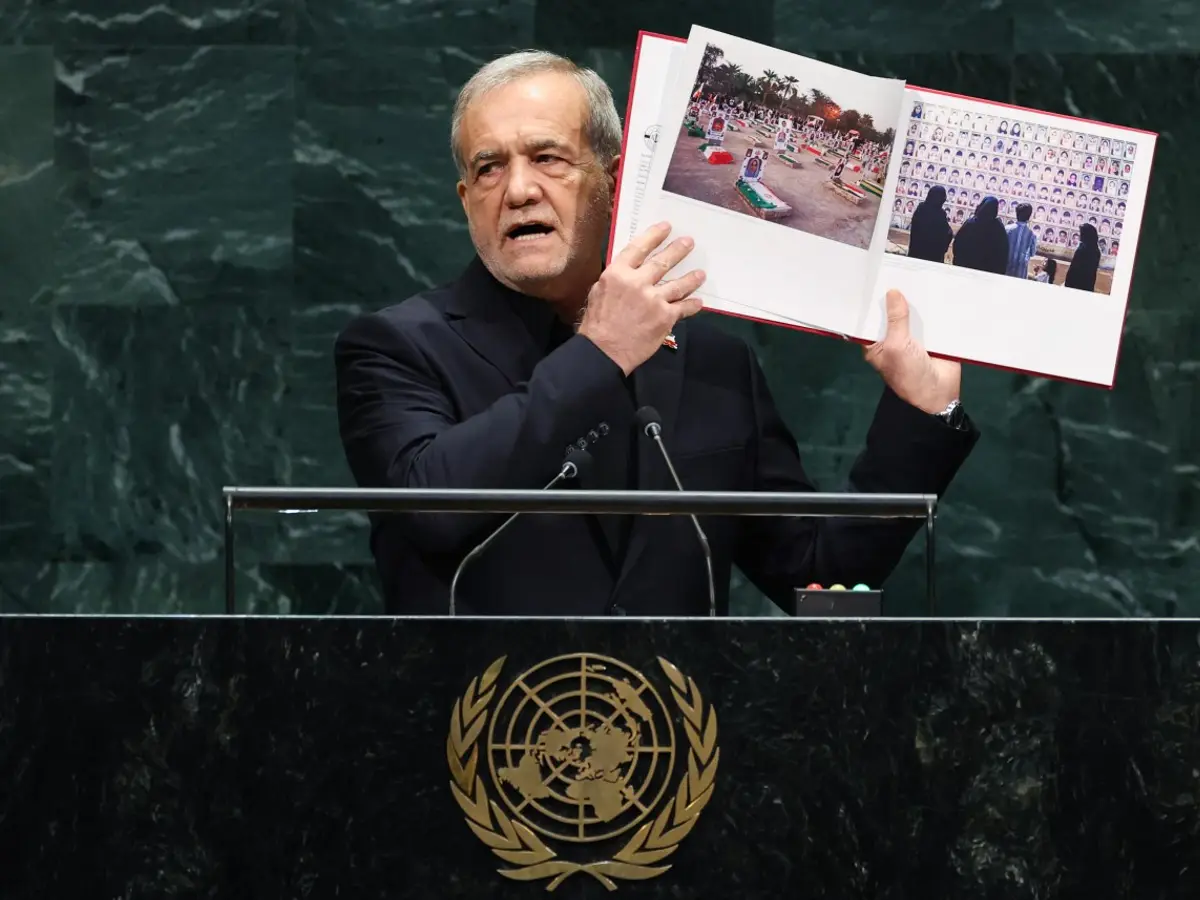
- Pezeshkian’s interview aired Thursday; the report was published on September 25, 2026. He spoke one day after addressing the United Nations General Assembly.
- Where
- The comments were made in a Fox News interview. Related talks took place in New York on the sidelines of the United Nations General Assembly.
- Why
- Pezeshkian said Iran prefers negotiations to military action and wants international legal protections, recognition of its rights, reparations, and guarantees against future aggression.
- Iran’s stated position
- Pezeshkian said Tehran does not wish to continue fighting.
- Preferred approach
- Iran said it would rather resolve disputes through dialogue than further military action.
- Negotiation framework
- Pezeshkian said Iran would negotiate if the United States worked within international legal frameworks.
- Reported conditions
- The article’s quick answers list recognition of Iran’s legitimate rights, reparations, and firm guarantees against future aggression.
- Previous ceasefire
- Pezeshkian questioned why an earlier agreement was allegedly broken up within two weeks of being signed.
- Houthi relationship
- He said the Houthis act independently; Iran has contacts with them but no formal or systematic relationship.
- Related talks
- Iranian Foreign Minister Abbas Araghchi met Steve Witkoff and Jared Kushner in New York, but the discussions produced no immediate breakthrough.