

Archive · 25 Jul 2025
Hawaii Uses Mosquito Drones to Save Native Birds
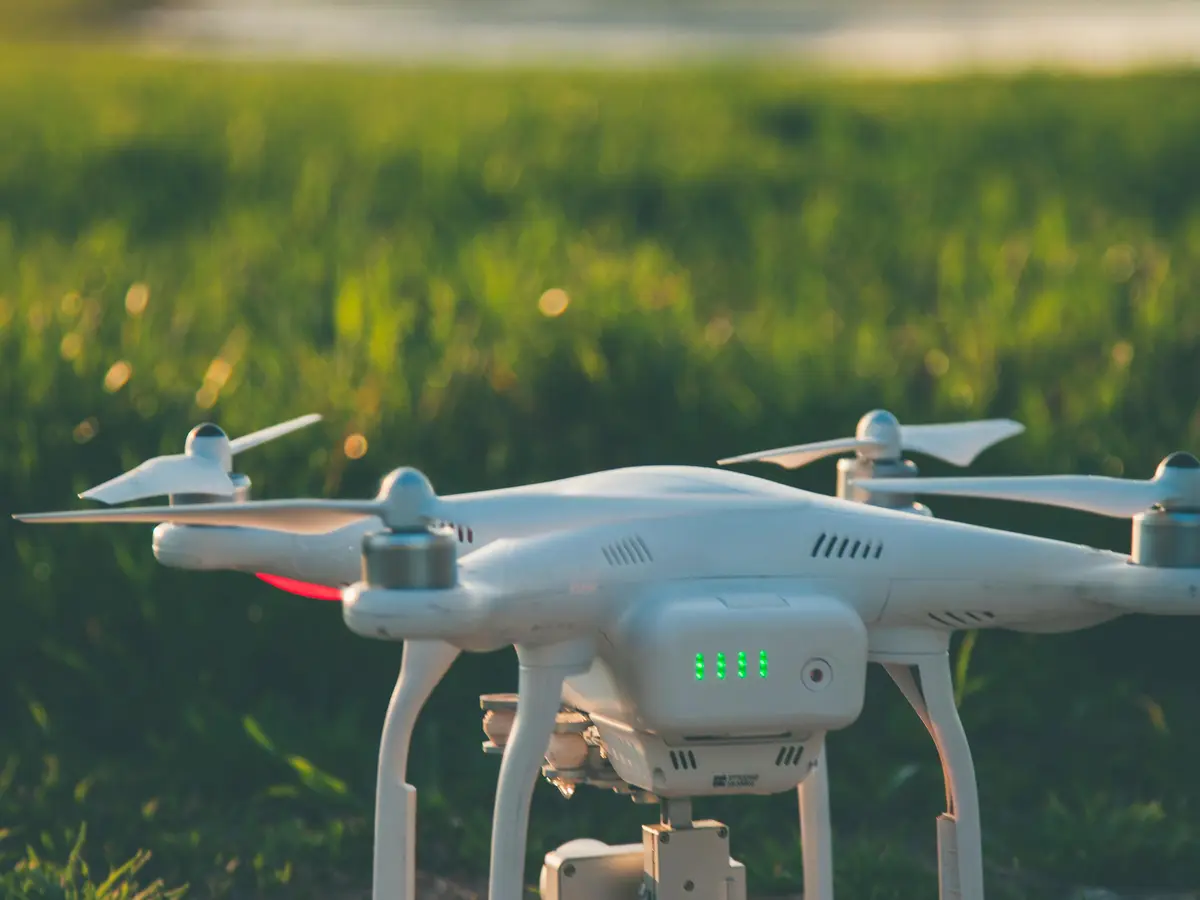
Hawaii is trying to save its native birds from extinction.
They're using drones to drop special mosquitoes that can't have babies.
Regular mosquitoes are spreading a disease called avian malaria that's killing the birds.
These special mosquitoes are bred to have a bacteria that stops the regular mosquitoes from making more mosquitoes.
The birds, like honeycreepers, are losing their homes because the mosquitoes are moving up the mountains due to the climate change.
Scientists hope this will help save the birds.

Hawaii is deploying non-biting mosquitoes via drones to combat invasive mosquito populations.
These mosquitoes carry a bacterium that prevents eggs from hatching, aiming to reduce mosquito numbers.
Invasive mosquitoes transmit avian malaria, a major threat to native Hawaiian birds, like honeycreepers.
Climate change is allowing mosquitoes to move up the mountains, threatening the birds' remaining habitats.
The project utilizes the incompatible insect technique (IIT) to control mosquito populations without harming other species.
- Who
- Conservationists in Hawaii are working to save the native bird population.
- What
- A project is underway in Hawaii to deploy non-biting mosquitoes to combat invasive mosquito populations.
- When
- The project started in June.
- Where
- In the forests of Hawaii.
- Why
- To protect native Hawaiian birds, especially honeycreepers, from extinction caused by avian malaria.
- Target
- Invasive Mosquito Population
- Delivery Method
- Drones
- Mosquito Type
- Non-biting, laboratory-bred male mosquitoes
- Technique
- Incompatible insect technique (IIT)
- Threat to Birds
- Avian malaria
- Birds at Risk
- Honeycreepers, 'akikiki, 'akeke'e
- Current honeycreeper species
- 17