

Archive · 25 Jul 2025
China's Massive Hydropower Dam Project on Yarlung Tsangpo River
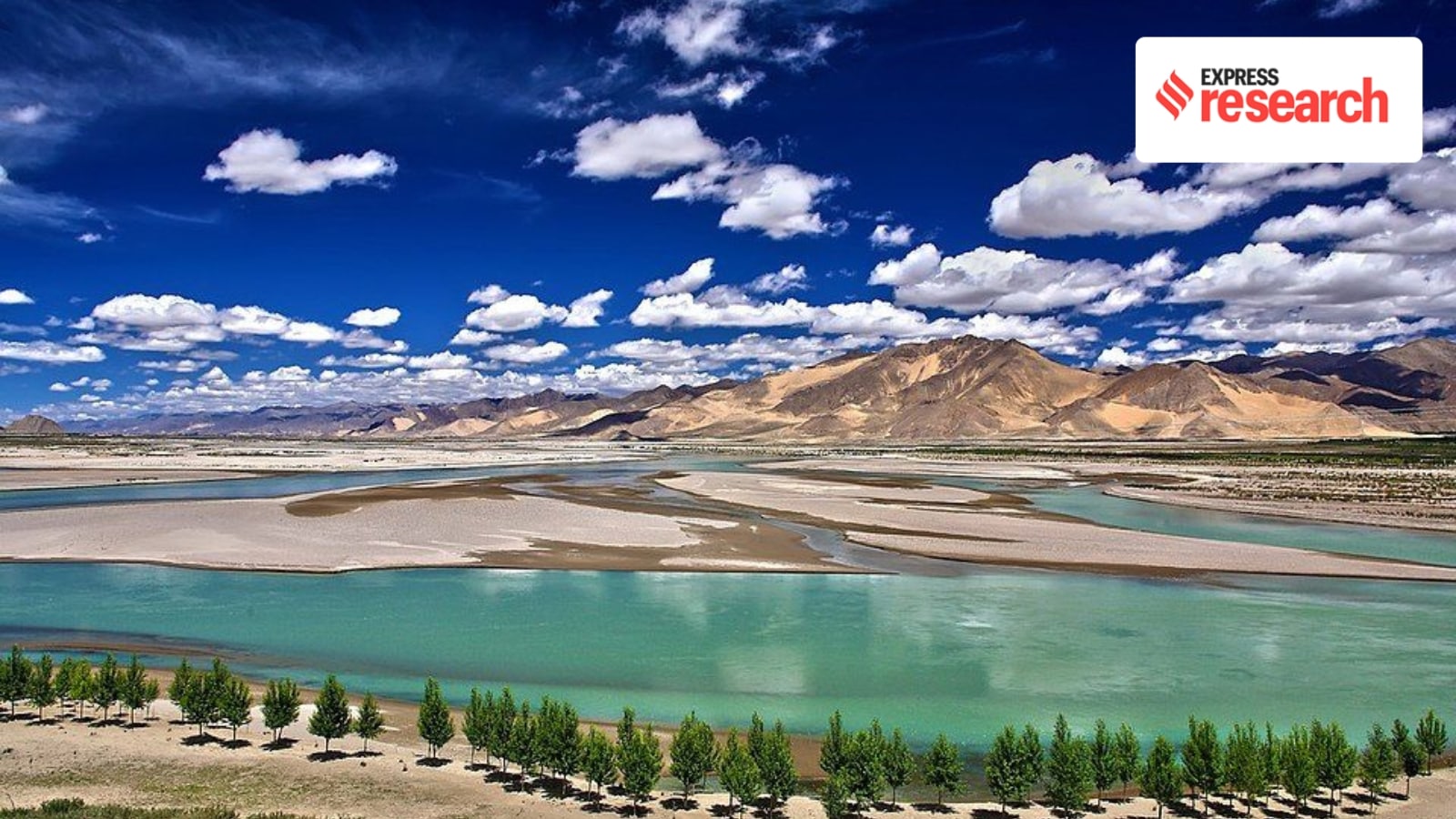
China is planning a massive hydropower dam on the Yarlung Tsangpo River in Tibet, aiming to make a lot of electricity.
This river flows through several countries, including India and Bangladesh.
Some people are worried about the dam's impact on these downstream countries and the environment.
The river's water flow is affected by melting glaciers, and the long-term changes due to climate change could impact water availability for the communities.
It is important that countries work together to manage the river's resources, considering the changes in the climate and the importance of the river to everyone.

China plans to build the world's largest hydropower dam on the Yarlung Tsangpo River in Tibet.
The project, part of China's 14th Five-Year Plan, aims to produce substantial electricity.
The dam has raised concerns from India, Bangladesh, environmental groups, and Tibetan organizations.
The Yarlung Tsangpo River flows through Tibet, India, Bhutan, and Bangladesh.
Climate change impacts, like glacier melt, add complexities to water management in the region.
- Who
- The project is being spearheaded by China, with concerns raised by India, Bangladesh, and various environmental and Tibetan groups.
- What
- China is constructing a large hydropower dam on the Yarlung Tsangpo River.
- When
- The project was introduced in 2020 as part of China’s 14th Five-Year Plan.
- Where
- The dam is being built on the Yarlung Tsangpo River in Tibetan territory.
- Why
- To generate a large amount of electricity, with an estimated 300 million megawatt hours annually.
- River Name
- Yarlung Tsangpo/Brahmaputra
- Dam Location
- Tibet, China
- Estimated Electricity
- 300 million megawatt hours annually
- Project Cost
- Approximately 1.2 trillion yuan (US$ 167 billion)
- Countries in Basin
- China, India, Bhutan, and Bangladesh
- Contested Border
- McMahon Line