

Archive · 31 Aug 2026
Nepal Temporarily Buries Unidentified Flood Victims for Later Identification

Nepal’s floods killed many people and left thousands missing.
Some bodies were found days later in rivers, mud, and debris.
Many remains were damaged or decomposed, so families could not identify them just by looking.
Hospitals and temporary cooling centres also ran out of space.
Officials are therefore temporarily burying unidentified bodies instead of leaving them in unsafe storage.
Before burial, workers collect DNA, fingerprints, photographs, and details about belongings.
Each body receives a number, and its burial place is recorded with markers, photographs, video, or GPS.
Families can give DNA samples, and a match may allow officials to find, dig up, and return the remains.

Authorities have temporarily buried more than 150 unidentified flood victims because morgues and cooling facilities lacked sufficient space.
Reports put the number of recovered bodies between 675 and 788, with roughly 2,426 to 2,502 people still missing.
Before burial, officials collect DNA, fingerprints, photographs, identifying marks, and information about clothing or jewellery.
Bodies are sealed, individually coded, and buried in separate pits about 1.5 metres deep with documented locations.
Families can submit DNA samples at hospitals so matched remains can later be exhumed and returned for final rites.
- Who
- Nepalese police, the Armed Police Force, forensic and health officials, disaster personnel, and families of missing people are involved.
- What
- Authorities are temporarily burying unidentified and unclaimed flood victims after collecting forensic samples and documenting their burial locations.
- When
- The floods were reported as occurring on August 26 or on a Wednesday morning; burial began within days, while recovery figures changed as operations continued.
- Where
- Bodies were recovered across Nepal, especially along the Trishuli and Narayani rivers and in Chitwan, Gorkha, and East Nawalparasi.
- Why
- Officials cited limited refrigeration and morgue capacity, decomposition, foul smells, difficult recovery conditions, and possible public-health risks.
- Bodies recovered
- Reports cited approximately 675, 734, 740, or 788 recovered bodies, depending on the reporting date.
- People missing
- Reports cited between 2,426 and 2,502 people missing or unaccounted for in Nepal.
- Bodies temporarily buried
- More than 150 bodies; one reported breakdown listed 96 in Chitwan, 29 in Gorkha, and 30 in East Nawalparasi.
- Damaged remains
- One official said 252 of approximately 740 recoveries were body parts rather than intact corpses.
- Burial method
- Bodies are placed in bags and buried separately in pits about 1.5 metres deep, with space between them for later exhumation.
- Identification methods
- DNA, fingerprints, dental records where possible, photographs, physical marks, clothing, jewellery, identity documents, and other belongings are recorded.
- Burial records
- Unique codes, tags, concrete markers, photographs, videos, GPS coordinates, and grave-location records are used to support future recovery.
Sources
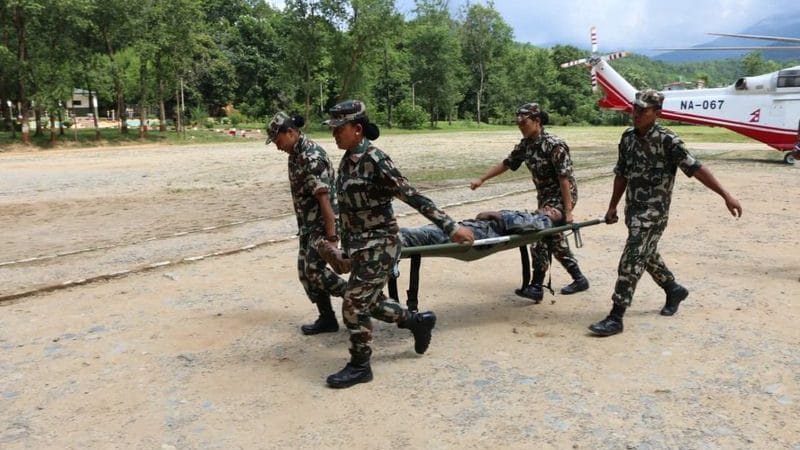
Nepal buries over 150 unidentified bodies of flood victims. DNA samples collected
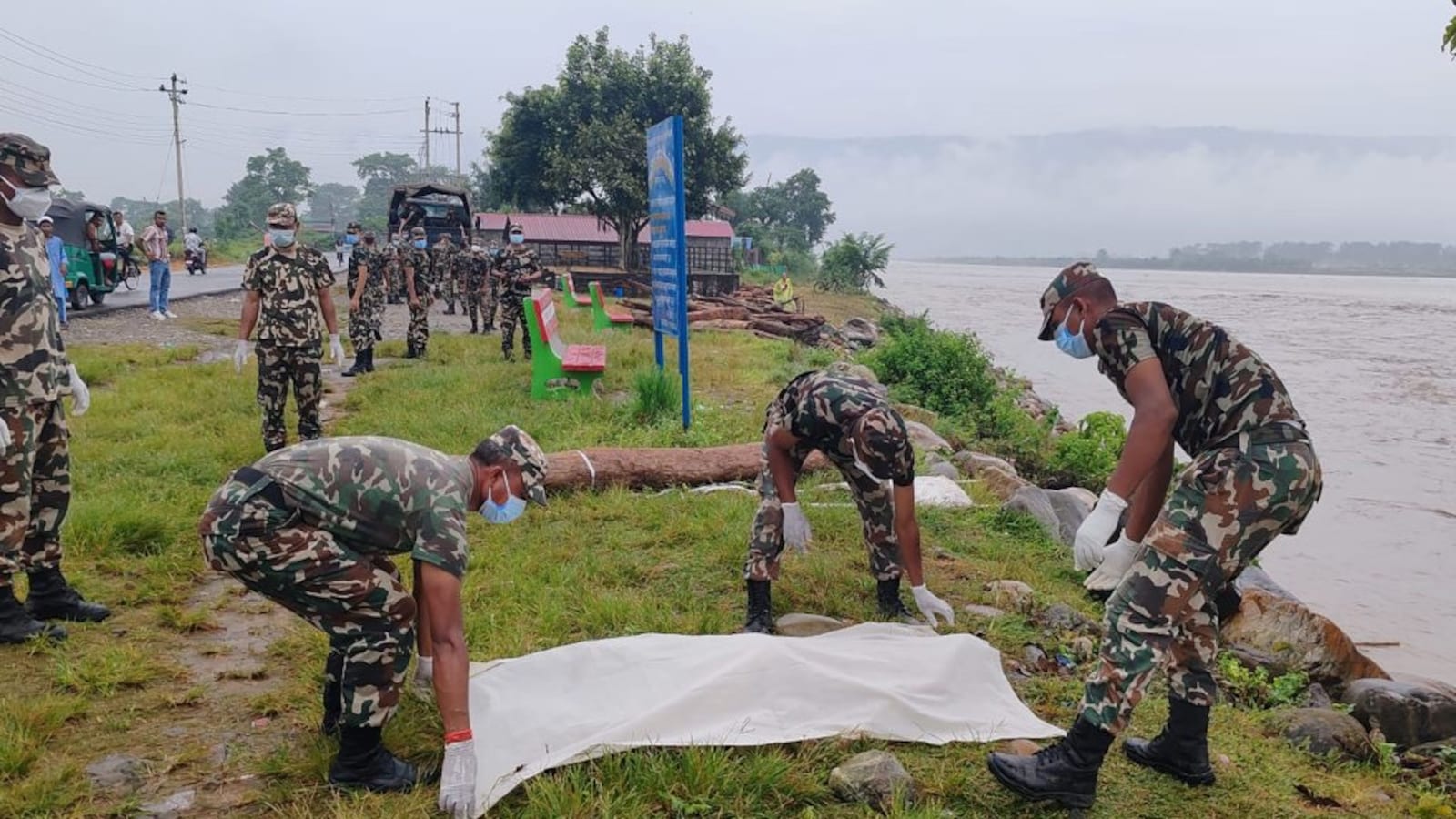
Nepal To Bury Unidentified Flood Victims. How They Will Be Identified Later
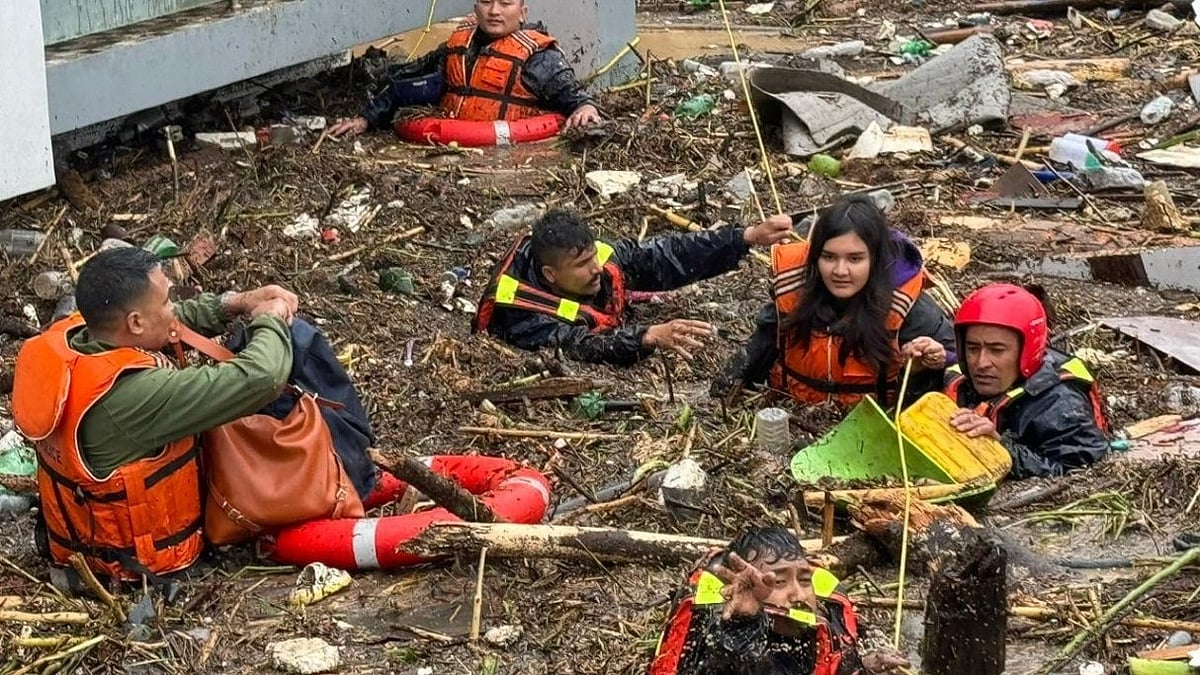
Nepal Floods: How Authorities Are Identifying, Preserving And Temporarily Burying Unclaimed Bodies