

Archive · 17 Sep 2026
US Fed Raises Rates as RBI Faces Pressure to Follow
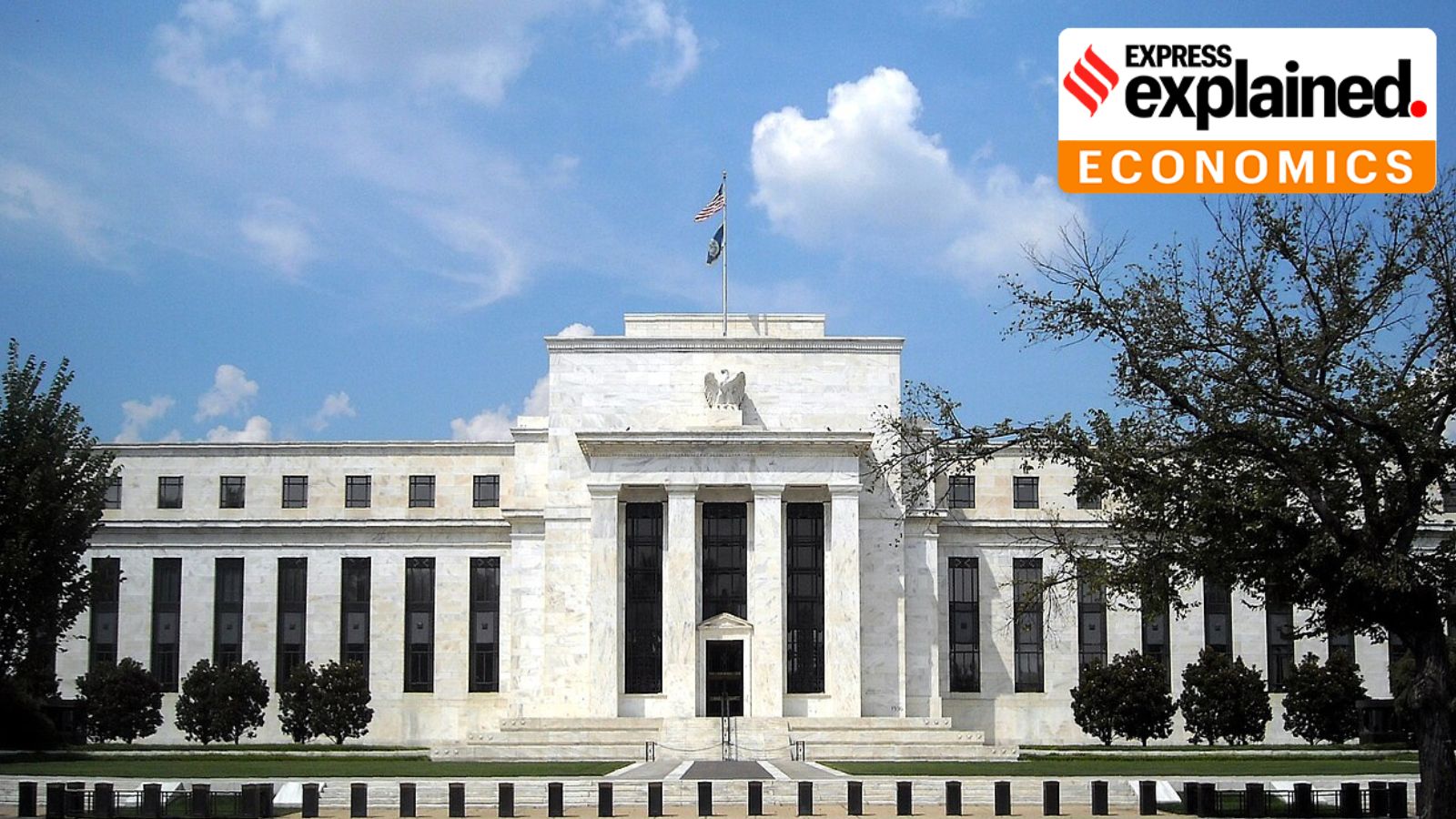
The US central bank raised interest rates to make rising prices slow down.
It increased the rate by 25 basis points, or one-quarter of a percentage point.
Every member of its rate-setting committee supported the decision, including new Chair Kevin Warsh.
The US government criticized the move because it wanted lower borrowing costs.
The central bank said the economy was still growing steadily, but inflation remained too high.
Other central banks, including those in the United Arab Emirates and Bahrain, also raised rates.
India’s inflation has risen for three months in a row, so the Reserve Bank of India may raise its rate too.
Higher rates can make borrowing more expensive, but central banks use them to try to bring inflation back down.

The US Federal Open Market Committee raised its federal funds target by 25 basis points to 3.75%-4%.
All 12 FOMC members, including new Chair Kevin Warsh, supported the first US rate hike in three years.
The Fed cited resilient spending, strong productivity and elevated inflation as reasons for the increase.
The RBI is increasingly expected to raise its repo rate by 25 basis points to 5.5% at its October meeting.
India’s CPI inflation reached 4.82% in August, while economists warned that broader price pressures could intensify.
- Who
- The US Federal Reserve, new Chair Kevin Warsh, the Trump administration and the Reserve Bank of India are central to the story.
- What
- The US Federal Reserve raised its key interest-rate target by 25 basis points, while the RBI is increasingly expected to consider a similar increase.
- When
- The US decision was announced on Wednesday; the RBI’s Monetary Policy Committee is scheduled to meet October 5-7.
- Where
- The decision was made in the United States, with possible effects on monetary policy in India and other economies.
- Why
- The Federal Reserve said inflation remained elevated and that higher rates would support a return to its 2% inflation target.
Trump Administration and Market Concerns
Federal Reserve and Inflation Concerns
Whether the US hike was necessary
Trump Administration and Market Concerns
The White House called the decision unfortunate and said the administration did not see a particularly compelling economic case for it.
Federal Reserve and Inflation Concerns
The Federal Reserve said economic activity was expanding at a solid pace and that inflation remained elevated, requiring action to support a return to the 2% target.
The RBI’s likely next move
Trump Administration and Market Concerns
A rate increase could raise borrowing costs, and the article notes that the RBI must weigh its inflation response against economic conditions.
Federal Reserve and Inflation Concerns
Economists cited in the article argue that rising and broadening price pressures justify a 25-basis-point hike, potentially followed by another increase before a pause.
How far rates may rise
Trump Administration and Market Concerns
Financial markets are expecting more US tightening than the Fed’s latest projections, reflecting concerns about inflation, higher prices and mounting US debt.
Federal Reserve and Inflation Concerns
The Fed’s projections indicate one additional 25-basis-point hike before it holds rates steady in 2027.
- US rate target
- 3.75%-4% after a 25-basis-point increase
- US vote
- All 12 FOMC members supported the increase
- US inflation target
- 2%
- India CPI inflation
- 4.82% in August, above the RBI’s 4% target
- India inflation band
- The RBI targets 4% inflation within a 2%-6% tolerance band
- Expected RBI move
- A 25-basis-point hike that would take the repo rate to 5.5%
- Other rate increases
- The United Arab Emirates and Bahrain each raised rates by 25 basis points
- US 10-year bond yield
- It crossed 5%, its highest level in almost 20 years apart from a brief episode in 2023