Archive · 6 Nov 2025
Bihar Elections Focus on Development, Jobs, and Migration Issues
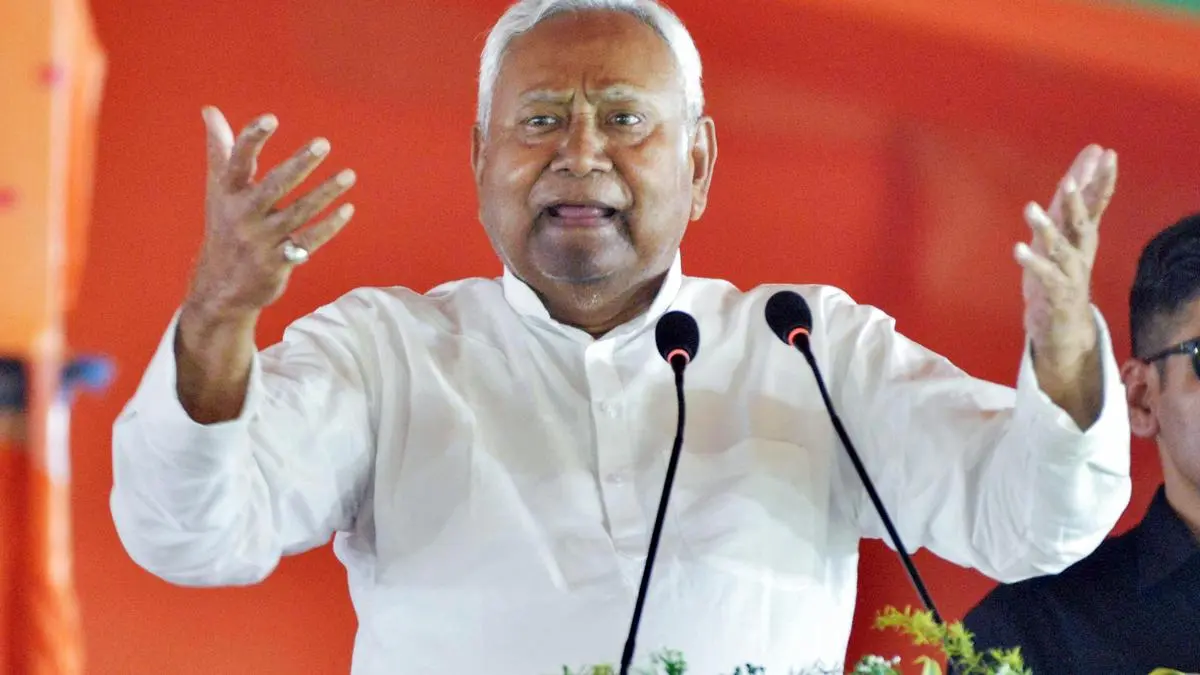
Imagine a state called Bihar with many people, most of whom live in the countryside.
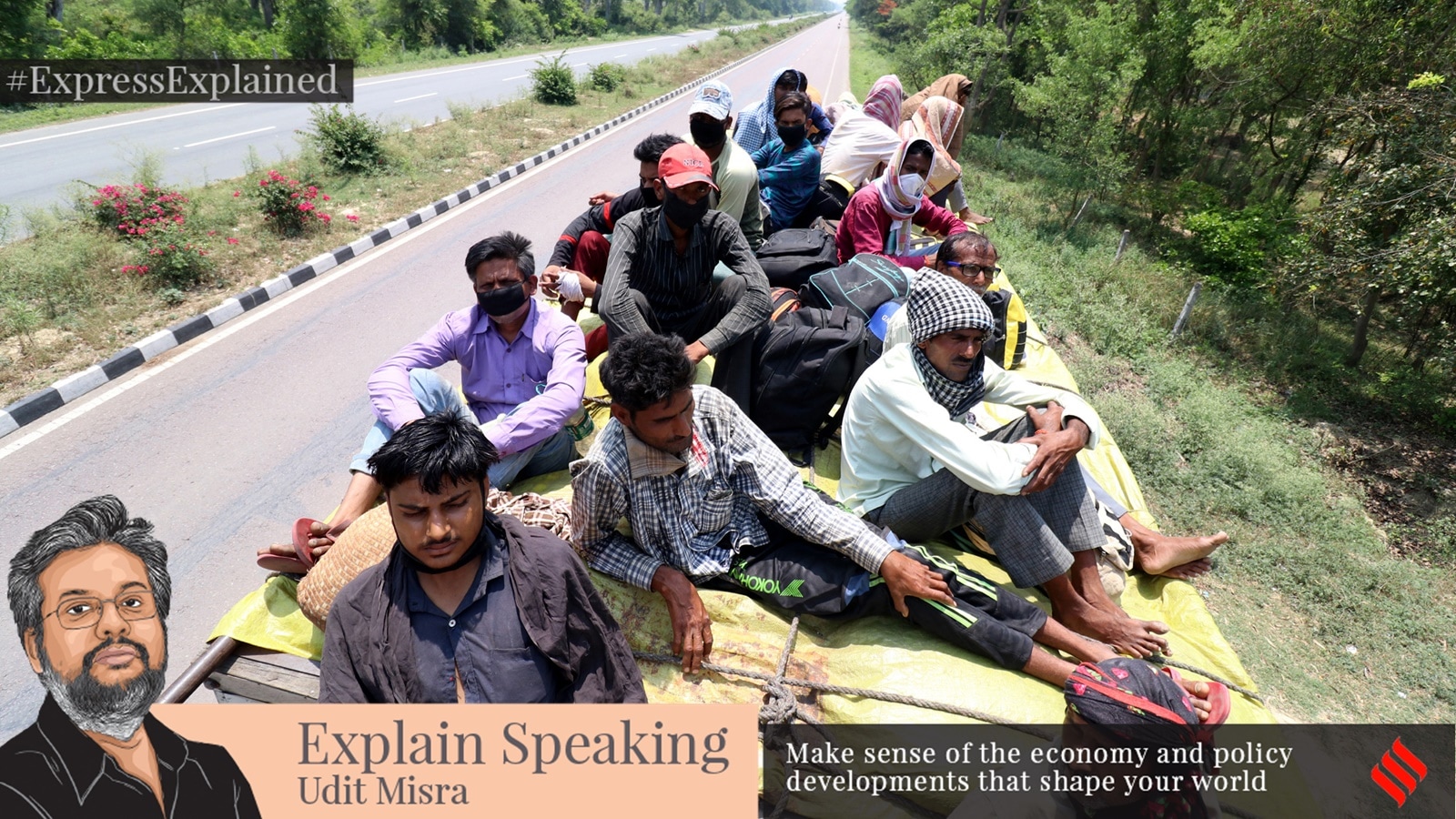
Many people have to leave Bihar to find work because there aren't enough jobs or factories there.
This is a big topic during their elections.
Bihar's economy has grown bigger, almost like doubling in size recently, and its growth rate matches the country's.
However, the money each person makes on average is still much less than the national average.
While the service industry is the biggest part of their economy, factories are a small part.
Even though Bihar has more factories than some smaller states, it has far fewer than big industrial states like Gujarat or Tamil Nadu.
Many people are worried about jobs and why so many workers have to leave to find a living.
The elections are focused on how to improve the state so people can find work and live better in Bihar.

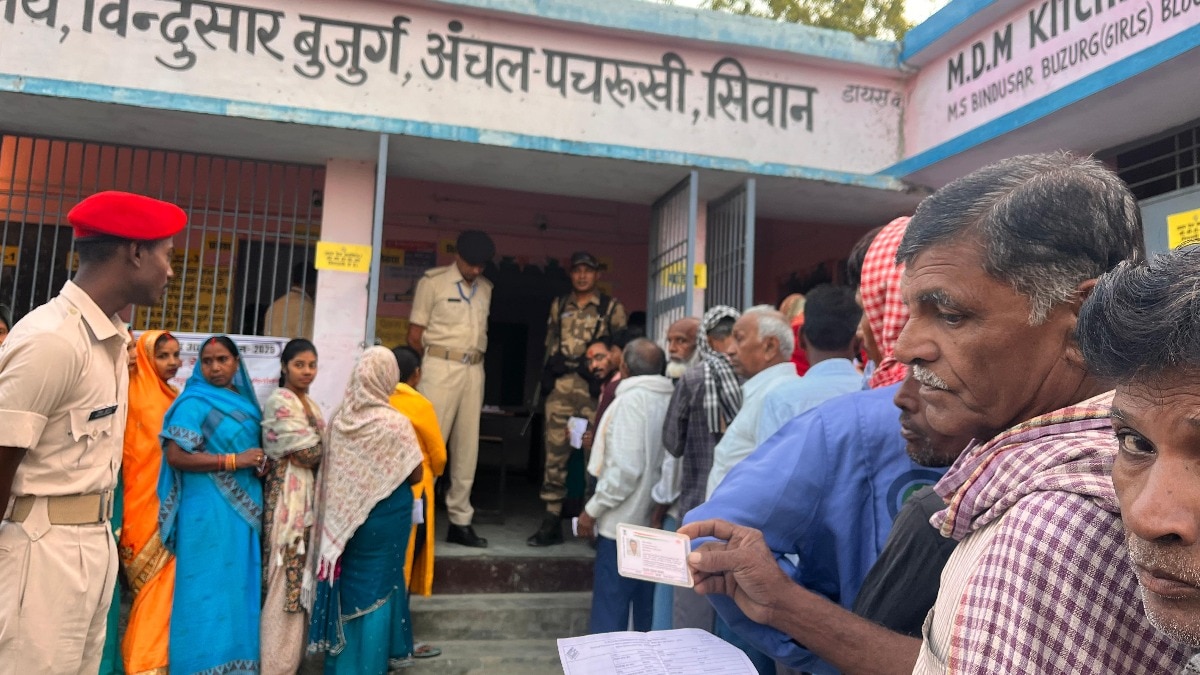
Development, jobs, and migration are key issues in Bihar's assembly elections, impacting its 130 million population.
Bihar's economy has grown significantly, increasing 3.5 times to Rs 8.54 lakh crore in FY24 from Rs 2.47 lakh crore in FY12.
The state's unemployment rate was 3.9% in 2023-24, above the national average, contributing to over 7.5 million workers migrating for jobs.
Bihar's manufacturing sector is relatively small, contributing only 7.6% to GSDP, with far fewer factories compared to industrialized states.
Despite economic growth, Bihar's per capita income remains substantially below the national average.
- Who
- The state of Bihar and its nearly 130 million people.
- What
- The intertwined issues of development, jobs, and migration are central to the Bihar Assembly elections, reflecting the state's economic challenges and aspirations.
- When
- During the first phase of assembly elections on Thursday, with data and analysis spanning recent years up to FY24 and projections for FY26, and historical context from 1990-91 and 2011.
- Where
- Bihar, India, with comparisons to national averages and industrialized states like Tamil Nadu and Gujarat.
- Why
- To address the high population, dependence on rural/agrarian activities, a lagging manufacturing sector, high unemployment, and significant worker migration from the state.
Bihar as a Challenged State
Bihar's Economic Progress and Aspirations
Economic Growth Rate
Bihar as a Challenged State
Bihar's growth rate has risen but still remains below the national average.
Bihar's Economic Progress and Aspirations
Bihar's economy grew by 9.2% in FY24, in line with India's GDP growth rate.
Per Capita Income
Bihar as a Challenged State
Bihar's per capita income is significantly below the national average.
Bihar's Economic Progress and Aspirations
Bihar's per capita GSDP grew by 13% year on year to Rs 66,828 in FY24.
Manufacturing Sector
Bihar as a Challenged State
Bihar has a low number of factories compared to industrialized states, with manufacturing contributing only 7.6% to its GSDP.
Bihar's Economic Progress and Aspirations
While manufacturing contribution is low, the secondary sector overall contributes 21.5% to the state's GSDP, with construction adding another 11.2%.
National Economic Share
Bihar as a Challenged State
Bihar's share in the national GDP has decreased over the last three decades.
Bihar's Economic Progress and Aspirations
The state's economy has increased by 3.5 times in size in current prices between FY12 and FY24.
- Population
- 127 million
- Rural Population Percentage
- 88.7% (as per Census 2011)
- Migrant Workers
- Over 7.5 million
- Unemployment Rate (2023-24)
- 3.9% (above national average of 3.2%)
- State Economy Size (FY24)
- Rs 8.54 lakh crore (at current prices)
- Estimated GSDP (Budget 2025-26)
- Rs 10.97 lakh crore
- Growth Rate (FY24)
- 9.2%
- Tertiary Sector Contribution
- 58.6%
- Secondary Sector Contribution
- 21.5%
- Manufacturing Contribution
- 7.6%
- Primary Sector Contribution
- 19.9%
- Number of Factories (ASI 2023-24)
- 3,386
- Per Capita GSDP (FY24)
- Rs 66,828
- National Per Capita GDP
- Rs 2.15 lakh
Sources
Two decades under Nitish Kumar: Economy losing momentum
The Bihar paradox: How caste-based politics resulted in inclusion and unexpected social calm
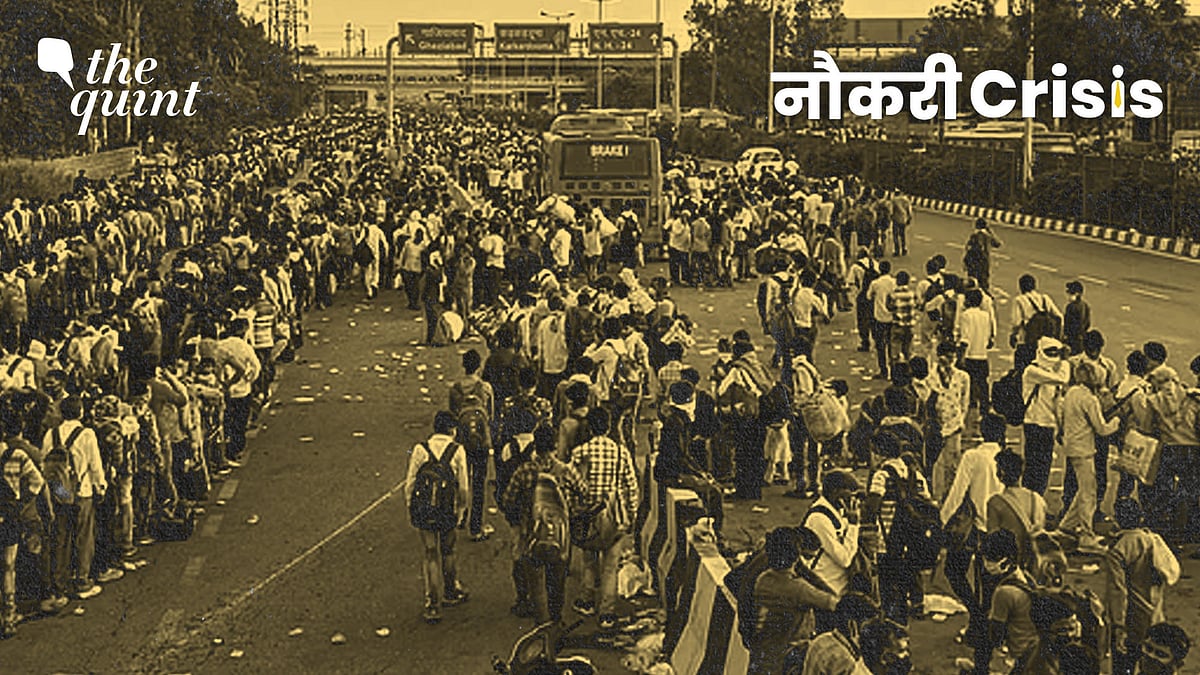
75 Lakh Leave Bihar for Work: Why Migration Has Become an Election Flashpoint
ExplainSpeaking: Has Bihar’s growth reduced the gap with the Rest of India?