Archive · 19 Jun 2025
India's Green India Mission Gets a Revision
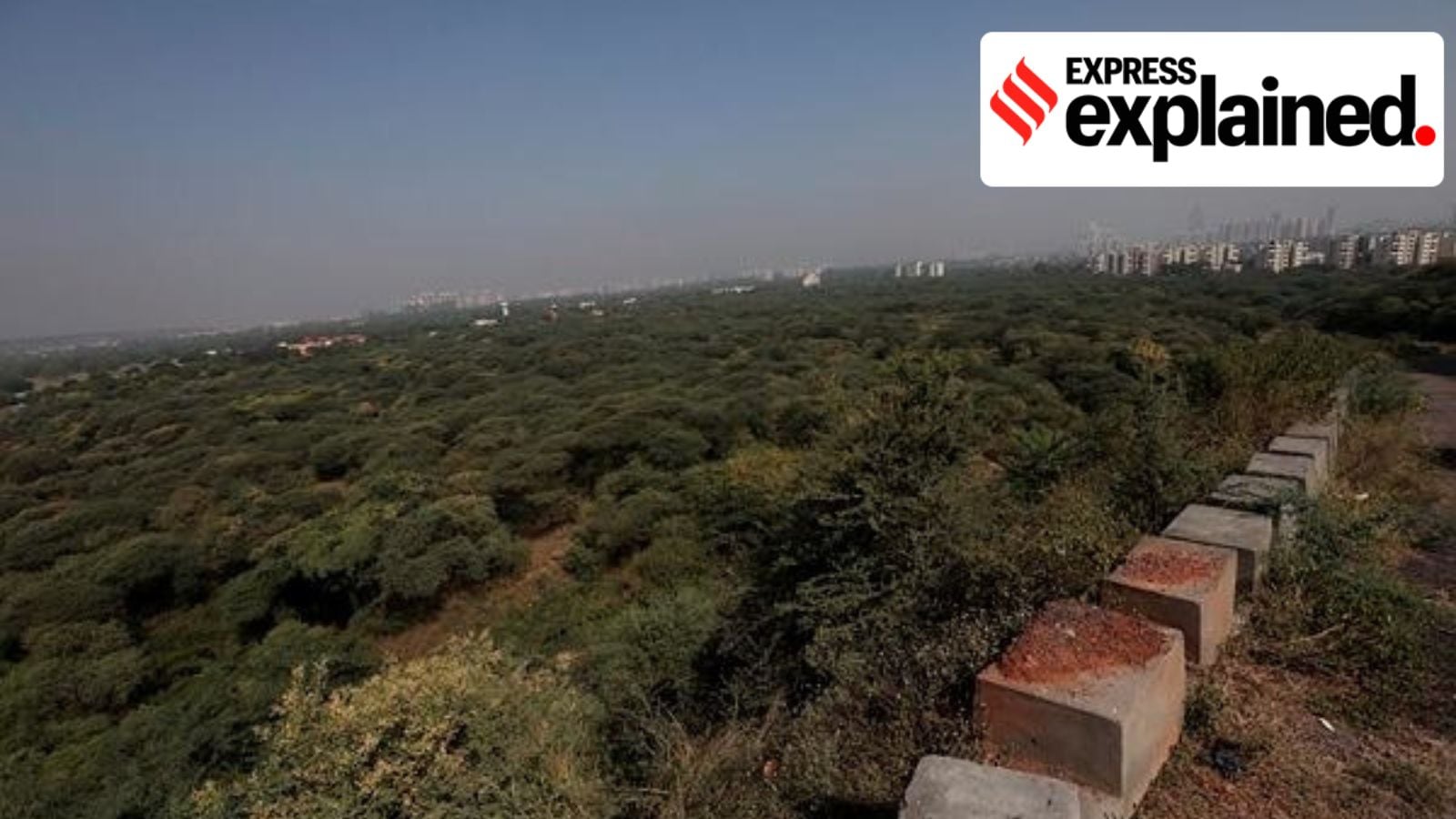
The Indian government is updating its Green India Mission, a plan to help forests and other green areas.
The new plan focuses on restoring damaged areas like the Aravalli mountains, the Western Ghats, and the Himalayas, and addressing land degradation.
The old plan started in 2014 with the goal of increasing the amount of trees.
The revised plan will consider local environments and also work on things like reducing desertification, in the Aravalli range.
The government also hopes to absorb more carbon dioxide from the air by restoring forests and other natural areas, and plans to restore 26 million hectares of degraded land by 2030.

Revised Green India Mission focuses on restoring forest and green cover, land degradation, and desertification.
The mission was rolled out in 2014 and aims to increase forest and tree cover, and improve livelihoods.
The revised plan emphasizes region-specific restoration in vulnerable landscapes, including Aravalli, Western Ghats, and Himalayas.
GIM interventions will be synced with the Aravalli Green Wall project to combat degradation and desertification.
India aims to create an additional carbon sink of 2.5 to 3 billion tonnes of carbon dioxide by 2030.
- Who
- The Indian government.
- What
- Revised roadmap for the Green India Mission focused on forest and green cover, land degradation, and desertification.
- When
- The revised roadmap was released on June 17.
- Where
- Aravalli ranges, Western Ghats, Himalayas.
- Why
- To combat climate change and meet climate commitments.
Original Green India Mission
Revised Green India Mission
Approach
Original Green India Mission
Plantation-centric approach
Revised Green India Mission
Region-specific restoration practices.
- Mission Goal
- Increase forest cover, address land degradation, and desertification
- Launched
- 2014
- Key Regions
- Aravalli ranges, Western Ghats, Himalayas, and mangroves
- Carbon Sink Target
- 2.5 to 3 billion tonnes of CO2 by 2030
- Degraded Land Restoration
- 26 million hectares by 2030