7 months ago
Indian Leather Industry Aims for Growth
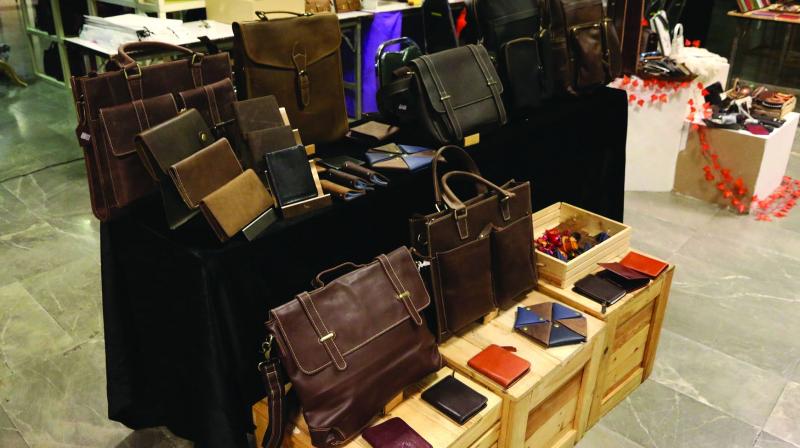
The Indian leather industry is growing and becoming more important in the world of fashion.
A big event called the Leather Fashion Show is happening in Chennai on February 1.
At this event, many companies will show their best leather products like shoes, clothes, and bags.
The next day, there will be a meeting where these companies and stores can talk about what people want and how to sell better products.
The industry is expected to grow a lot in the next few years.
The India-EU Free Trade Agreement is a big deal because it will help Indian leather products be sold in Europe without extra taxes.
This could help the industry reach its goal of making $14 billion from exports by 2030.
Even though the US has put higher taxes on Indian goods, the industry is still doing well and looking for new markets.

The Indian leather industry is showcasing its capabilities at a fashion show in Chennai on February 1, organized by IFLMEA, featuring 14 major leather product makers.
A brand symposium on February 2 will facilitate partnerships between manufacturers and retailers from Tier 1 and 2 cities.
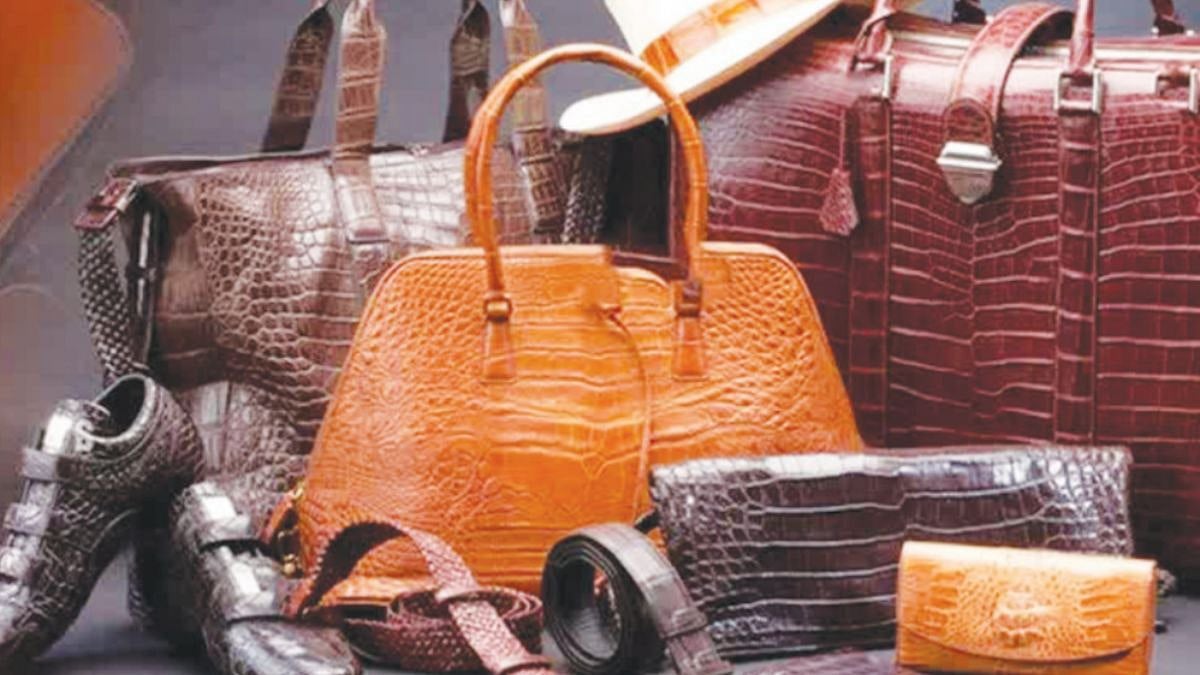
Products displayed include premium footwear, designer leather garments, luxury handbags, and exclusive leather accessories.
The IFLMEA projects robust growth of 15-20% for the leather goods industry over the next three years.
The India-EU Free Trade Agreement is expected to boost exports, with the EU contributing 43% of exports, and aims to achieve a $14 billion export target by 2030.
- Who
- Indian Fine Leather Manufacturers and Exporters Association (IFLMEA), 14 major leather product makers, retailers, and brands, Council for Leather Exports (CLE)
- What
- Leather Fashion Show, Brand Symposium, India International Leather Fair, India-EU Free Trade Agreement
- Where
- Hotel ITC Grand Chola, Chennai, India
- When
- February 1-2, 2024, February 1-3, 2026
- Why
- To showcase the Indian leather industry's capabilities, foster partnerships, discuss market trends, and boost export competitiveness
Key facts
- Event
- Leather Fashion Show and Brand Symposium
- Date
- February 1-2, 2024
- Location
- Hotel ITC Grand Chola, Chennai
- Organizer
- Indian Fine Leather Manufacturers and Exporters Association (IFLMEA)
- Participants
- 14 major leather product makers, 70 models, retailers, and brands
- Products Displayed
- Premium footwear, designer leather garments, luxury handbags, exclusive leather accessories
- Growth Projection
- 15-20% growth over the next three years
- Export Target
- $14 billion by 2030
- Current Export Value
- $5.5 billion
- Expected Export Value 2025-26
- $5.25–5.5 billion
Quotes
R Selvam
Executive Director, Council for Leather Exports (CLE)
“"India currently manufactures around 2.6 billion pairs of footwear annually, of which nearly 90% is consumed domestically. Demand is expected to rise to 6 billion pairs by 2030, requiring an additional capacity of around 4 billion pairs."”
 financialexpress.com
“Implementation of this scheme is important to achieve a turnover of $50 billion by 2030 ($36 billion domestic and $14 billion exports) from present $24.6 billion achieved in 2024-25 ($19 billion domestic and $5.6 billion exports)”
 thehindubusinessline.com
M Abdul Wahab
Regional Chairman (South), Council for Leather Exports (CLE)
“The India-EU FTA will be a game changer for the industry. The EU contributes nearly 43 per cent of the export segment basket. The FTA will open up the entire region and will help in exploring new markets. This will be a game changer and help achieve the $14 billion export target by 2030. We need to have this kind of FTAs with the US. If this happens, it would be a double engine growth for the leather industry and all the labour-intensive industries”
thehindubusinessline.com
“The last six months have been very hard on the leather industry, especially with the US tariffs from August that affected the industry badly. However, the resilience and the support from the government helped the industry to manage over the crisis so far. The government has been hand-holding and directing the industry to non-US destinations and organised trips to the UK, Russia, European countries and the Far East”
thehindubusinessline.com
Sanjay Sarawagi
Managing Director of Laxmipati Group, a prominent textile business in Surat.
“The industry players should research on the fabrics in demand in the EU and manufacture fabrics as per their standards. Southern Gujarat Chamber of Commerce and Industry (SGCCI) should take the initiative to send a delegation of textile industry players from Surat to the EU, conduct study visits, interact with the Chambers of Commerce of different countries in the EU, and also invite a delegation of the Chamber of Commerce of the EU. By doing this groundwork, the textile industry of Surat will definitely benefit.”
 indianexpress.com
“Generally, international brands and multinational companies of the EU were outsourcing to other countries except India. With this FTA, they will now keep an eye on the textile apparel and fabrics of India, thinking of it as a potential market.”
indianexpress.com
Nikhil Madrasi
Representative of Southern Gujarat Chamber of Commerce and Industry (SGCCI).
“Due to the 12 per cent FTA, Indian textiles and clothing exported to the EU were much more expensive, so buyers in the EU would get it from Bangladesh, Vietnam, China, and Pakistan. Due to the volatile situation in Bangladesh and Pakistan, buyers in the EU are not willing to enter into long-term business deals with either country. China has shifted its focus from textiles to electronic products. EU buyers have focused on a better alternative, and through FTA, India will get major benefits.”
indianexpress.com
“Surat is a hub of Man-Made Fibre (MMF) and accounts for 40 per cent of the country’s production. In the MMF sector, Surat accounts for the production of 50 per cent of polyester, 80 percent of nylon, and 90 per cent of viscose in the country. In EU countries, MMF is in huge demand. The annual turnover of synthetic yarn exported from Surat to the EU is around Rs 1,000 crore.”
indianexpress.com
Ashish Gujarati
President of the Pandesara Weavers Cooperative Society and textile businessman.
“After the FTA is implemented, textile fabrics exported to the EU from India will be cheaper by 10-15 per cent. After the implementation of the FTA, exports of textile fabrics from India to EU countries will increase to 5 billion USD from the current 3 billion USD. This will benefit different textile segments in Surat, like the powerloom sector, processing units, the garment sector, and it will also play a turning point in the manufacturing, employment, and new investments in the textile industry of Surat.”
indianexpress.com
Kailash Hakim
President of the Federation of Surat Textile Traders Association.
“From Surat textile markets, around 10 per cent of fabrics are exported across the globe; out of which around 5 per cent are exported to the EU. Due to the rise in the US tariffs, the textile industry had been hit, and now, with the FTA with the EU, such a loss in the business would be overcome.”
indianexpress.com
Sources

Leather, footwear exports to hold steady at $5.25–5.5 billion despite US tariffs: CLE
Indian Leather Industry Has Gone Global
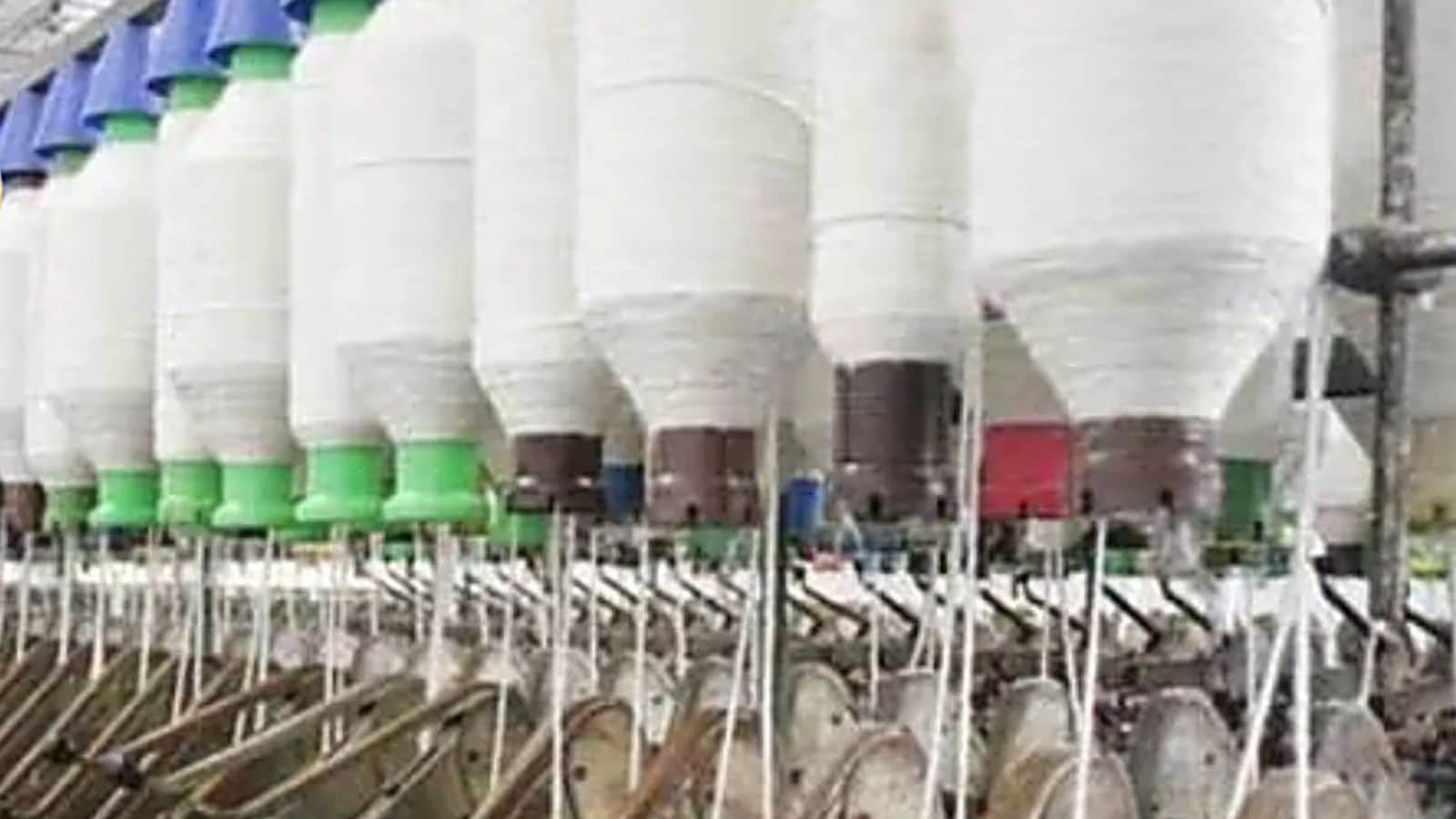
$5 billion ambition: Surat textile industry looks at definite gains from India-EU FTA as a bigger market waits to open