2 days ago
Supreme Court Seeks Centre’s View on Banning Acid Sales

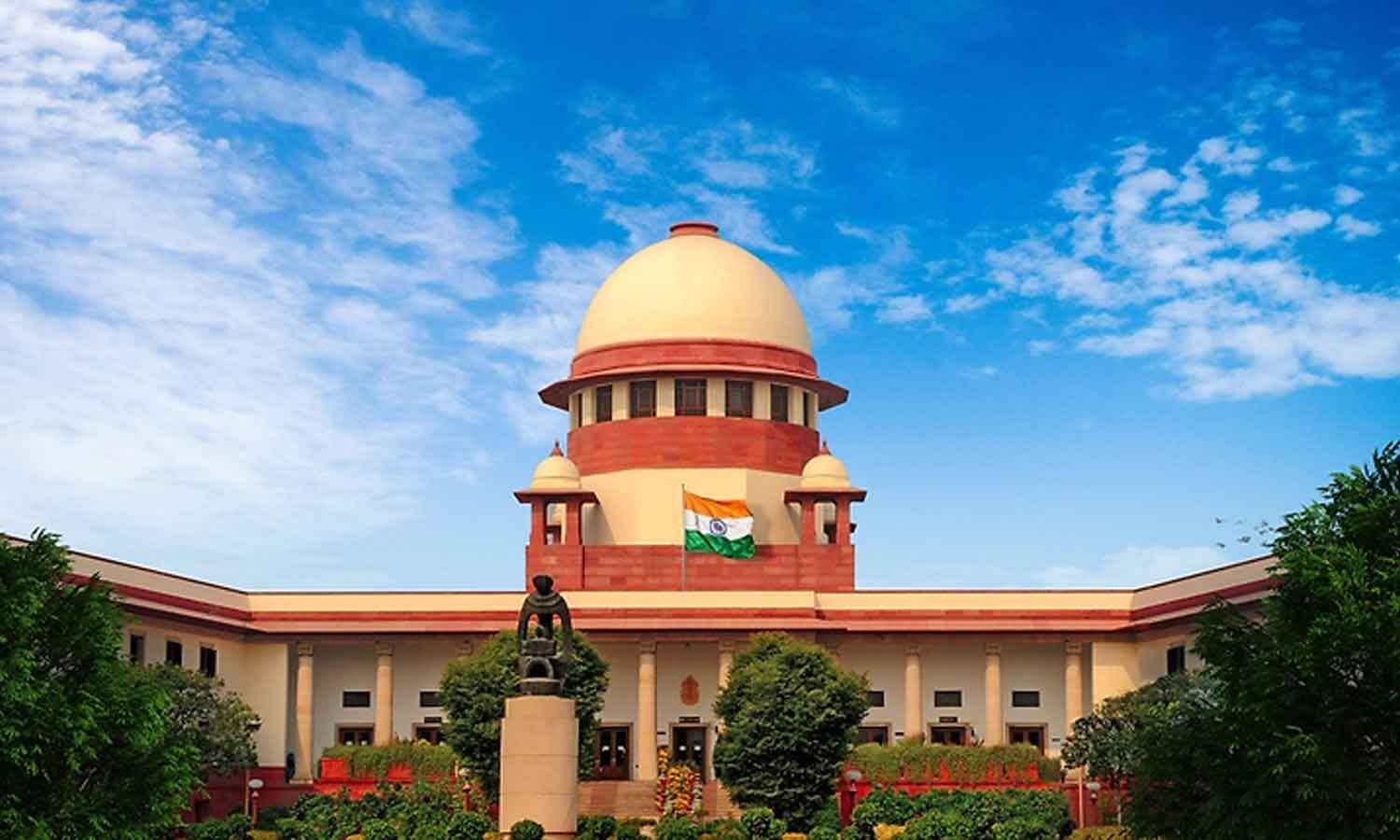
The Supreme Court is examining whether shops should be stopped from selling acid.
Acid can cause severe injuries, and the court was told that it remains easy to buy.
Rules made in 2013 were supposed to control sales, but they have not been properly followed in many places.
The Centre must say whether it supports a complete ban or much stricter controls.
Possible controls include recording buyers and asking why they need acid.
The court also wants victims to receive compensation, medical care, rehabilitation and education.
States must report information about acid attack cases and create support plans.
The court is also considering lessons to help people prevent attacks and respond quickly when one happens.

The Supreme Court asked the Centre whether retail acid sales should be banned or strictly regulated.
The bench said the 2013 safeguards had become outdated and were not being effectively enforced.
States and Union Territories were directed to create rehabilitation measures covering compensation, medical aid and education.
The court sought data on acid attacks, chargesheets and cases pending at trial or appellate stages.
The court also asked NGOs to suggest school and college programmes on prevention, emergency treatment and recovery.
- Who
- The Supreme Court, the Centre, state governments, Union Territories, acid attack survivors and NGOs are involved.
- What
- The court is considering a complete ban or stricter regulation of retail acid sales and ordering stronger victim rehabilitation measures.
- Where
- The matter was heard by the Supreme Court in New Delhi.
- When
- The directions were issued on Monday, August 31; states and Union Territories were given six weeks to formulate rehabilitation measures, while NGOs were given four weeks to submit suggestions.
- Why
- The court was told that acid remains easily available and that safeguards issued in 2013 have not been effectively implemented.
Ban Retail Acid Sales
Strictly Regulate Retail Sales
Preferred policy
Ban Retail Acid Sales
Shaheen Malik and senior advocate Saurabh Kirpal urged consideration of a complete ban, arguing that acid remains easy to purchase and that alternative cleaning products are available.
Strictly Regulate Retail Sales
The Centre is being asked to consider stringent regulation because acid is still needed for industrial purposes.
How to reduce misuse
Ban Retail Acid Sales
A retail ban would remove ordinary consumer access to acid and reduce reliance on safeguards that have not been effectively implemented.
Strictly Regulate Retail Sales
Possible safeguards include requiring buyers to disclose the purpose, maintaining purchase records and tracking acid entering and leaving the market in real time.
Implementation challenge
Ban Retail Acid Sales
Supporters of a ban say the 2013 guidelines have not worked because enforcement and regulatory supervision have been inadequate.
Strictly Regulate Retail Sales
The Centre said it had issued an advisory and model rules, while noting that several states had not formed required committees or implemented the framework effectively.
Key facts
- Case context
- The court issued notice on a fresh application seeking a ban on retail acid sales while hearing a PIL filed by acid attack survivor Shaheen Malik.
- Possible policy
- The Centre must respond on a complete retail ban or stringent regulation.
- Existing rules
- The Supreme Court’s 2013 safeguards were described as largely obsolete and inadequately enforced.
- Proposed controls
- Measures discussed included recording buyers, requiring purchase purposes and creating real-time tracking of acid quantities.
- Rehabilitation deadline
- States and Union Territories were directed to formulate rehabilitation measures within six weeks.
- Victim support
- The measures are to cover compensation, rehabilitation, medical aid and free education up to higher levels.
- Awareness proposals
- NGOs were asked to submit suggestions within four weeks for school and college programmes on prevention, emergency protocols and post-attack treatment.
Quotes
Chief Justice Surya Kant
Chief Justice of India leading the Supreme Court bench
“The Union shall also respond as to why a complete ban on the retail sale of acid should not be imposed, or, in the alternative, whether such sale should be permitted subject to stringent regulatory measures. All the state governments which have not framed rules shall do so.”
 theprint.in
“whether there should be a complete ban or an extremely restrictive and highly regulated system for the sale of acid, and the lack of awareness about immediate treatment and response after an acid attack”
theprint.in
Sources
Related news

Centre agrees to grant railway concessions for acid attack survivors

Puppy Munna Suffers Severe Burns in Alleged Indore Acid Attack
Delhi Court Convicts Man in Attempted Acid Attack on Wife
NCDRC raises Bengaluru acid attack compensation to Rs 17.21 lakh

Maharashtra Draft Law Caps Coaching Classes at Five Hours

Gujarat High Court Suspends Woman’s Acid-Attack Sentence Pending Appeal
Subhash Chandra Challenges Five-Member NCLT Bench in Insolvency Case
Supreme Court Limits Manan Mishra’s Pro Tem BCI Role
Subhash Chandra Challenges Five-Member Bench in Insolvency Case

Subhash Chandra Challenges NCLT Bench as NCLAT Appeal Waits
NCLT halts Subhash Chandra asset sale amid lender challenge