

Archive · 20 Aug 2025
Carrot Grass: Deadly Weed Spreading in Multiple Countries
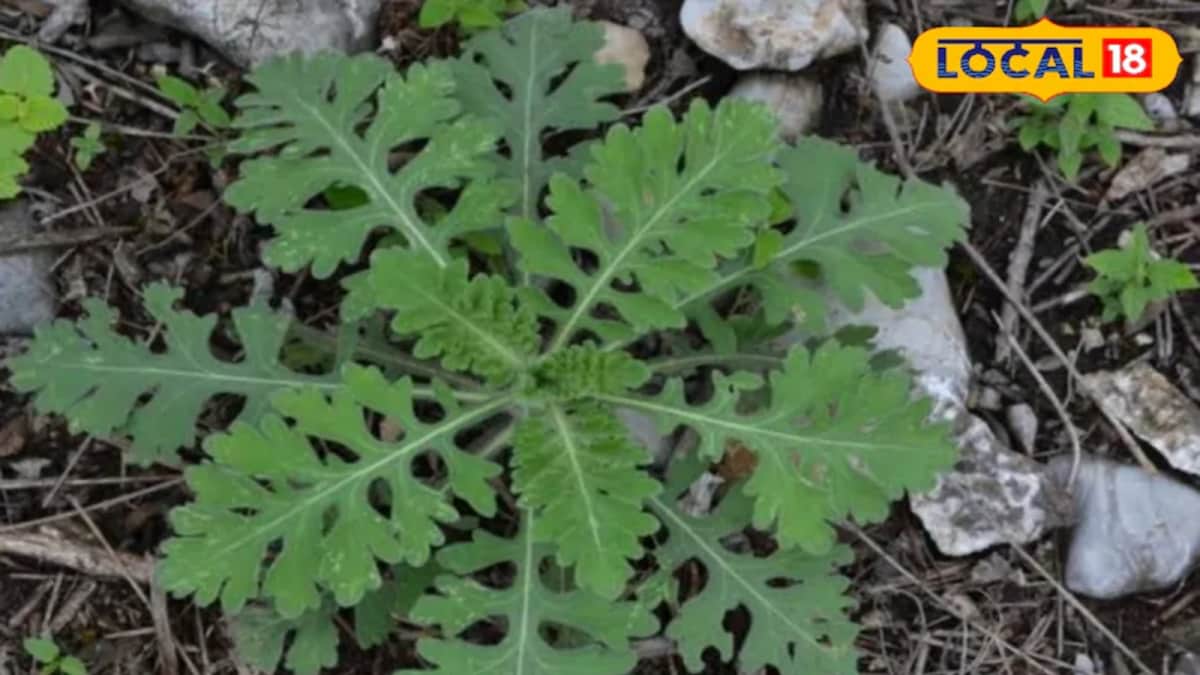
Carrot grass, also called Parthenium, is a fast-spreading weed that's causing problems in many countries, including India.
It hurts crops, potentially reducing food production by up to 40%.
This weed can also make people and animals sick, causing skin problems, allergies, and even affecting milk production.
It grows quickly, produces many seeds, and can grow in various places like roadsides and fields.
Scientists suggest using chemicals or introducing beetles and other plants to control its growth and spread.
It's a bit like a harmful weed that needs to be stopped to protect our food and health.

Carrot grass, an invasive weed, is spreading rapidly across India and 38 other countries.
The weed can reduce food crop production by up to 40 percent.
Contact with carrot grass can cause health issues like dermatitis and asthma in humans.
The plant is toxic to animals and can reduce milk quality and dairy production.
Carrot grass thrives in various environments, including coastal regions and vacant lands.
- Who
- Carrot grass (Parthenium) is the subject, and Dr. Kamlesh Ahirwar is a source for information.
- What
- Carrot grass, an invasive weed, is spreading rapidly across multiple countries, impacting agriculture and health.
- When
- N/A
- Where
- India and 38 other countries, including the United States, Mexico, and Australia.
- Why
- The weed poses a significant threat to agriculture, human health, and livestock, necessitating control measures.
- Common Name
- Carrot grass
- Scientific Name
- Parthenium
- Affected Countries
- 39
- Impact on Crops
- Can reduce food crop production by up to 40%
- Human Health Risks
- Dermatitis, eczema, allergies, fever, and asthma
- Animal Health Risks
- Diseases, reduced milk quality, and lower dairy production
- Control Methods
- Chemical and biological methods