1 week ago
Gold’s Bull Run Faces Rate and Geopolitical Headwinds
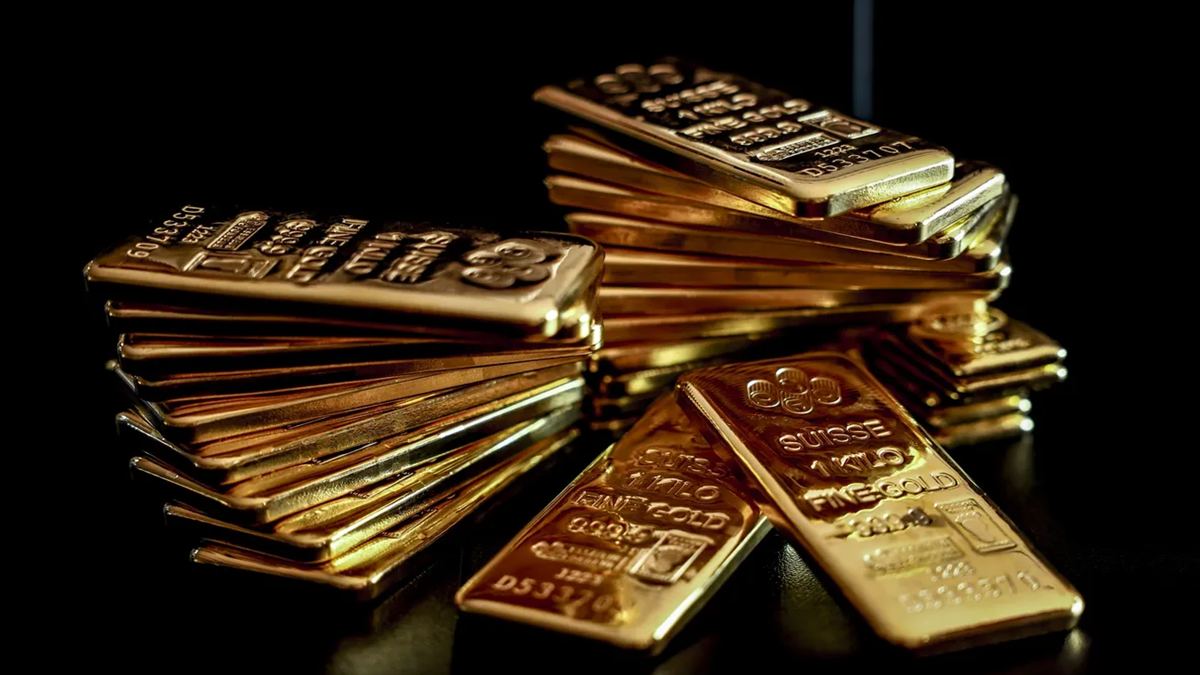
Gold prices have mostly stayed flat for about eight months.
They are still much lower than their record price in late January.
However, gold has risen from its low point in July.
Investors are buying gold because wars, inflation and government debt can make markets feel risky.
Gold is also helped when central banks buy more of it.
On the other hand, higher interest rates and bond yields make gold less attractive because gold does not pay interest.
Oil prices and tensions involving Iran are making it harder for the Federal Reserve to cut rates.
Analysts think gold may move up and down in a narrow range until officials give clearer signals about interest rates.

Gold has returned roughly 0% internationally over eight months and remains nearly 20% below its late-January peak of $5,602 per ounce.
The metal has recovered more than 10% from its July-end low and is currently trading near $4,500.
Higher oil prices, persistent inflation and uncertainty over Federal Reserve rate cuts are limiting gold’s upside.
Geopolitical tensions, central-bank buying, inflation concerns and US fiscal pressures continue to support demand for gold.
Analysts expect gold to remain volatile and range-bound until clearer interest-rate signals emerge, including from the late-August Jackson Hole symposium.
- Who
- Gold investors, central banks, US financial authorities and analysts including Kaynat Chainwala of Kotak Securities are involved in the market outlook.
- What
- Gold has stagnated for eight months and fallen nearly 20% from its international peak, while remaining supported by geopolitical risks, central-bank purchases and inflation concerns.
- Where
- The developments concern international gold markets, the United States, India and the Strait of Hormuz.
- When
- The international peak occurred in late January; gold was assessed near $4,500 as of the article, with August 21 bond-yield developments and late-August Jackson Hole remarks identified as key reference points.
- Why
- Gold faces pressure from elevated yields, inflation and uncertainty over Federal Reserve rate cuts, but receives support from geopolitical tensions, safe-haven demand, central-bank buying and US fiscal concerns.
Forces Supporting Gold
Forces Limiting Gold
Geopolitical risk
Forces Supporting Gold
Tensions involving Iran and threats from Donald Trump are increasing demand for gold as a safe-haven asset.
Forces Limiting Gold
The conflict is also pushing oil prices higher, which may increase inflation and reduce the likelihood of Federal Reserve rate cuts.
Interest rates and yields
Forces Supporting Gold
US Treasury liquidity measures and doubled buybacks of long-dated securities helped lower borrowing costs and were associated with a 4% jump in gold prices.
Forces Limiting Gold
High bond yields and uncertainty about the Federal Reserve’s rate path make interest-bearing, dollar-denominated assets more attractive than gold.
Long-term market direction
Forces Supporting Gold
Analysts cited safe-haven demand, central-bank purchases, exchange-traded-fund inflows and US fiscal concerns as evidence that the broader bullish structure remains intact.
Forces Limiting Gold
Gold’s lack of international returns over eight months and nearly 20% decline from its peak suggest that elevated yields and macroeconomic pressures are capping its near-term gains.
Key facts
- International peak
- $5,602 per ounce in late January
- Current international price
- Around $4,500 per ounce
- Change from peak
- Nearly 20% lower
- Recovery from July low
- More than 10%
- Indian gold price
- Around Rs 1,59,115 per ten grams for 24-carat gold
- Indian record price
- Rs 1,76,306 per ten grams on January 29
- 30-year US Treasury yield
- Recently reached 5.33%, a multi-decade high cited in the article
- Next market trigger
- Kevin Warsh’s expected remarks at the Jackson Hole Economic Policy Symposium in late August
Quotes
Kaynat Chainwala
AVP, Commodity Research at Kotak Securities
“Safe-haven demand, central-bank purchases and ETF inflows are providing a firm floor. The market’s ability to absorb elevated yields without a deeper correction suggests that the broader bullish structure remains intact, although near-term price action is likely to stay volatile and range-bound.”
 financialexpress.com
“Gold’s consolidation near $4,500 reflects a tug-of-war between structurally supportive demand and persistent macroeconomic headwinds.”
financialexpress.com
Sources
Related news

Gold Hits Seven-Week High Despite US-Iran Deal Optimism

Gold Slips as Mideast Tensions Sustain Federal Reserve Hike Bets

Gold Rises 12% This Month as Investors Weigh Buying Time

Gold Falls After Warsh Speech as Bond Yields Rise

Gold Reaches Three-Month High as Rate Outlook Shifts

US-Iran Strikes Escalate as Tehran Warns of New Strategy

Trump Warns of Fresh Iran Strike After Heavy Attack

Trump Says US Could Attack Iran Again at Will
U.S. Treasury Yields Ease as Jobs Data Misses Expectations

Iran Seizes Fuel-Smuggling Vessel in Gulf, Arrests 11 Crew