

Archive · 10 Nov 2025
Kingfisher Airlines: From Glamour to Bankruptcy with Rs 7,000 Crore Debt
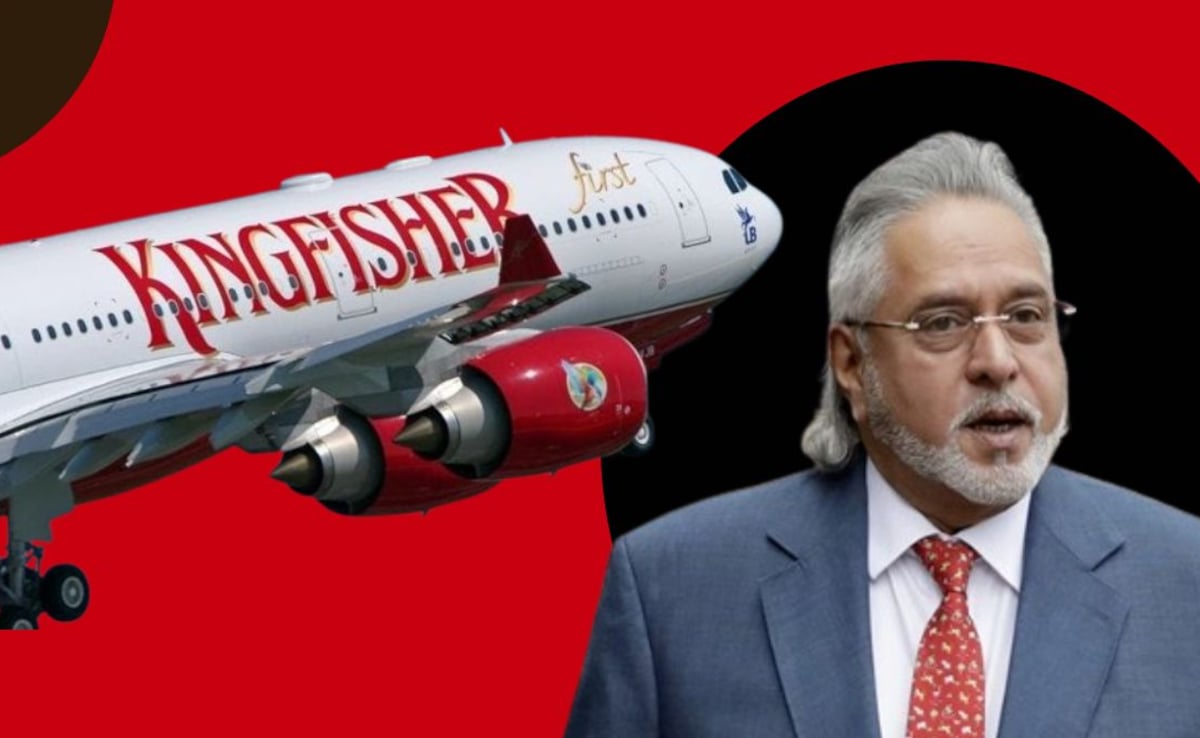
Imagine a company that started out like a fancy restaurant, serving delicious food and giving everyone a super comfortable seat.
Everyone loved it, but it was very expensive to run!
Meanwhile, other companies started offering simpler, cheaper meals and seats, and more people chose them because they were affordable.
This fancy company then tried to buy one of the cheaper companies, but it was like mixing two very different things, which made everything more complicated and costly.
Soon, the company couldn't afford to pay for things like airplane fuel or even its workers, and its planes had to stop flying.
The person who started the company ended up owing a lot of money and had to leave the country, and people are still trying to get their money back.

Kingfisher Airlines launched in May 2005, aiming for a luxury travel experience with premium services.
The airline's business model, focusing on high costs and luxury over affordability, struggled in India's price-sensitive market.
The acquisition of Air Deccan in 2007, a budget airline, led to integration chaos and mounting debts.
By late 2011, Kingfisher faced severe financial distress, leading to flight cancellations and the suspension of its flying license in October 2012.
Founder Vijay Mallya left India in 2016 amidst allegations of a Rs 9,000 crore bank loan fraud, with total liabilities to creditors exceeding Rs 17,000 crore.
- Who
- Kingfisher Airlines, founded by Vijay Mallya
- What
- The rise and eventual bankruptcy of Kingfisher Airlines, a once-premium Indian carrier that accumulated significant debt.
- When
- Launched in 2005, suspended flying in late 2011/2012, and officially lost its license by the end of 2012. Legal battles and debt recovery efforts continued for years, with updated figures as of April 2025.
- Where
- India
- Why
- A combination of a premium, high-cost business model in a price-sensitive market, the disastrous merger with Air Deccan, the global financial crisis of 2008, rising fuel prices, a weakening rupee, and substantial debt accumulation.
Vijay Mallya's Perspective
Creditors' and Authorities' Perspective
Reason for Downfall
Vijay Mallya's Perspective
Vijay Mallya attributes the airline's collapse to 'bad luck and unfortunate timing,' citing the 2008 global financial crisis and rising fuel costs as primary culprits. He denies allegations of fraud or money laundering, stating, 'I am not a chor' and criticizes media portrayal.
Creditors' and Authorities' Perspective
Authorities and banks view the downfall as a result of financial mismanagement, a flawed business model, and a significant debt burden. Mallya's departure from India while owing substantial amounts fuels perceptions of evasion.
Repayment Offers
Vijay Mallya's Perspective
Mallya claims to have made several repayment offers to banks that were rejected.
Creditors' and Authorities' Perspective
Banks rejected Mallya's earlier settlement offer of Rs 6,868 crore during a Debt Recovery Tribunal (DRT) hearing in April 2016, indicating dissatisfaction with the proposed terms.
Responsibility
Vijay Mallya's Perspective
While Mallya expresses regret and deep pain over the collapse, and apologizes to former employees, he stops short of taking full responsibility, emphasizing external factors.
Creditors' and Authorities' Perspective
The prolonged legal saga, investigations into loan fraud, and the significant outstanding debt point to a strong belief among creditors and authorities that Mallya bears primary responsibility for the financial collapse.
- Airline Launch
- May 2005
- Acquisition of Air Deccan
- 2007
- Flying Licence Suspension
- October 20, 2012
- Official Loss of Flying Licence
- December 31, 2012
- Principal Debt (2012)
- Rs 6,848 crore
- Total Liabilities (2025 est.)
- Over Rs 17,000 crore
- Outstanding Debt (April 2025)
- Rs 6,997 crore
- Vijay Mallya Left India
- March 2, 2016