Archive · 2 Oct 2026
Indian Refiners Hire Tankers Amid Strait of Hormuz Risks
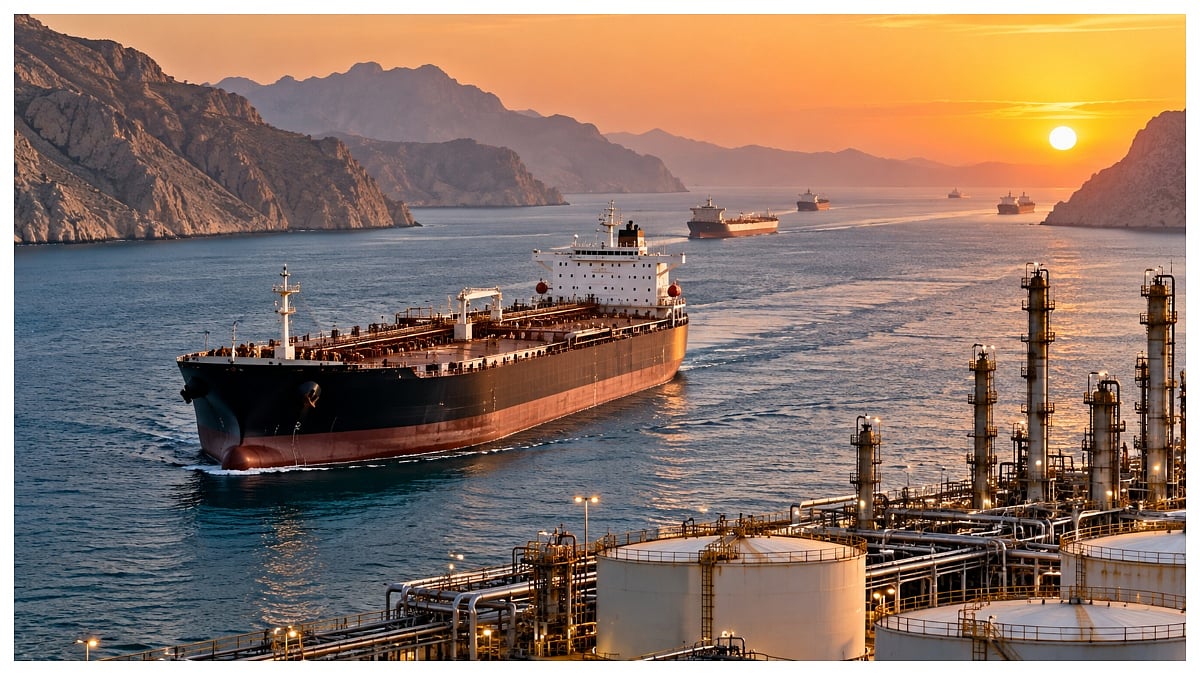
Indian oil companies need ships to bring crude oil home.
They used to let Gulf producers and trading companies arrange much of the risky journey through the Strait of Hormuz.
Now, some refiners are hiring tankers themselves.
They are also buying Iraqi oil under deals that make the buyers responsible for shipping.
This could help them save money and control delivery schedules.
However, ships still face safety and operating risks in the strait.
Iraq has offered some October oil supplies at discounts of up to $37 per barrel.
More oil has recently been moving through Hormuz toward India.
India is also becoming more cautious about buying Russian oil because of political pressure from the United States.

Indian refiners are hiring tankers to collect crude inside the Persian Gulf and transport it through the Strait of Hormuz.
Indian Oil Corporation, Reliance Industries, Bharat Petroleum Corporation and HPCL-Mittal Energy have bought Iraqi crude under free-on-board terms.
Sinokor Group and Dynacom Tankers Management reportedly won tanker tenders, while bids from Shipping Corporation of India and Lila Global were canceled or rejected.
The strategy could reduce intermediary charges and give refiners greater control over freight costs and delivery schedules.
Hormuz crude flows to India averaged about 1.3 million barrels per day in September, while Iraqi discounts reportedly reached $37 per barrel.
- Who
- Indian Oil Corporation, Reliance Industries, Bharat Petroleum Corporation and HPCL-Mittal Energy are among the refiners involved; Sinokor Group and Dynacom Tankers Management reportedly won tenders.
- What
- Indian refiners are hiring tankers to transport crude through the Strait of Hormuz and are buying Iraqi crude on a free-on-board basis.
- When
- The strategy changed in recent weeks; September shipments through Hormuz were the highest since February.
- Where
- Tankers will collect crude inside the Persian Gulf and transport it through the Strait of Hormuz to India.
- Why
- The refiners seek to secure supplies, reduce intermediary and freight costs, and gain greater control over shipping logistics.
Cost and supply control
Safety and operational risk
Reason for changing the shipping model
Cost and supply control
Hiring tankers directly and buying crude on a free-on-board basis could reduce intermediary charges, capture Iraqi discounts and give refiners more control over freight and schedules.
Safety and operational risk
Crude still must be collected inside the Strait of Hormuz, where shipping and operational risks remain elevated, according to Kpler analyst Sumit Ritolia.
Reliability of Gulf supplies
Cost and supply control
Recovering flows through Hormuz, the restoration of Saudi Arabia’s East-West pipeline and increased access to Iraqi crude may help refiners secure supplies.
Safety and operational risk
The waterway remains contested, and refiners previously relied on Gulf producers and traders because they were unwilling to expose their own tankers and crews to potential attacks.
- Reported tender winners
- Sinokor Group and Dynacom Tankers Management.
- Other tender bidders
- Shipping Corporation of India and Lila Global reportedly submitted bids; those tenders were canceled. One report spells the company name as Leela Global.
- Iraqi crude discount
- SOMO reportedly offered contracted October supplies at discounts of up to $37 per barrel below regional benchmarks.
- September Hormuz flows to India
- About 1.3 million barrels per day, the highest since February, according to Kpler.
- India’s Middle Eastern imports
- About 2.8 million barrels per day, including Saudi supplies sent through the Red Sea.
- Regional shipment recovery
- Middle Eastern crude shipments reached 98% of pre-war levels, according to JPMorgan Chase.
- Crew advisory
- In August, India softened its advisory by requiring Indian seafarer consent for Hormuz voyages rather than banning such crews.