Archive · 28 Dec 2025
Delhi's Severe Air Pollution Crisis
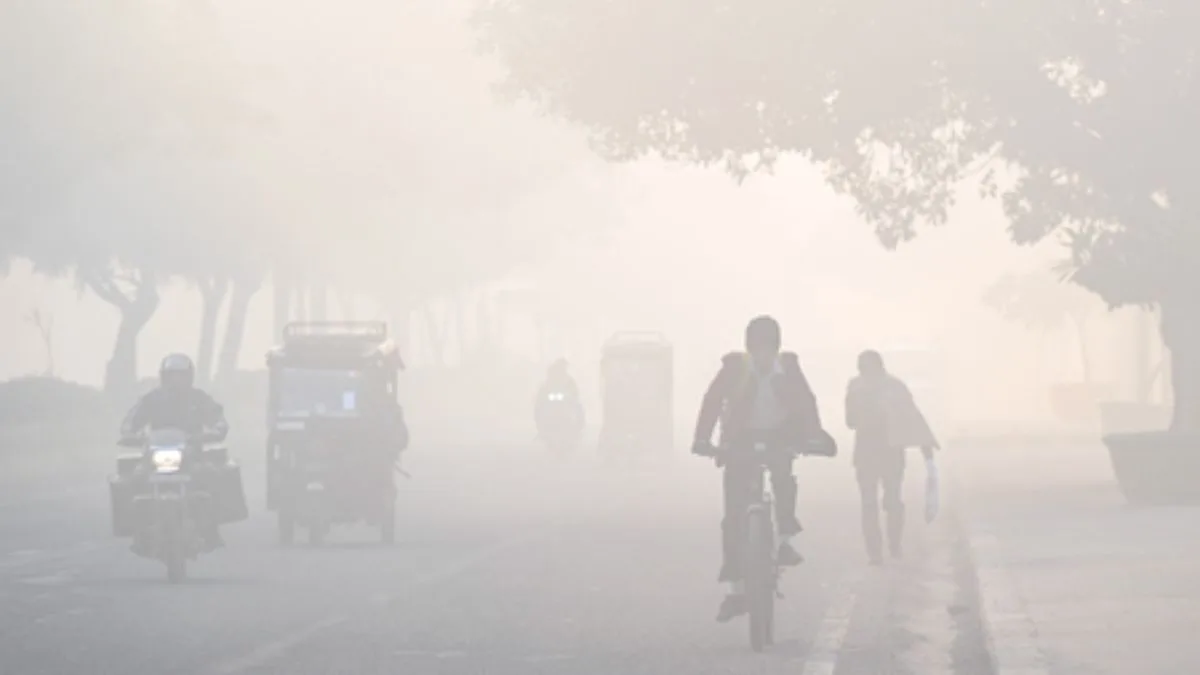
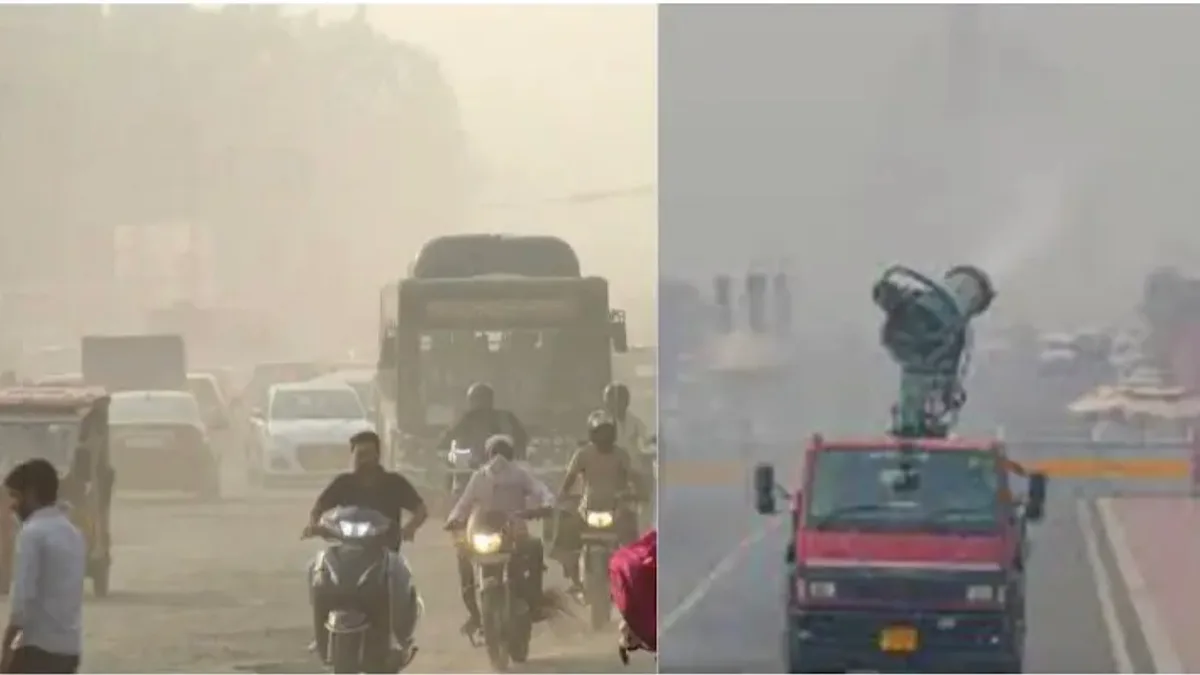
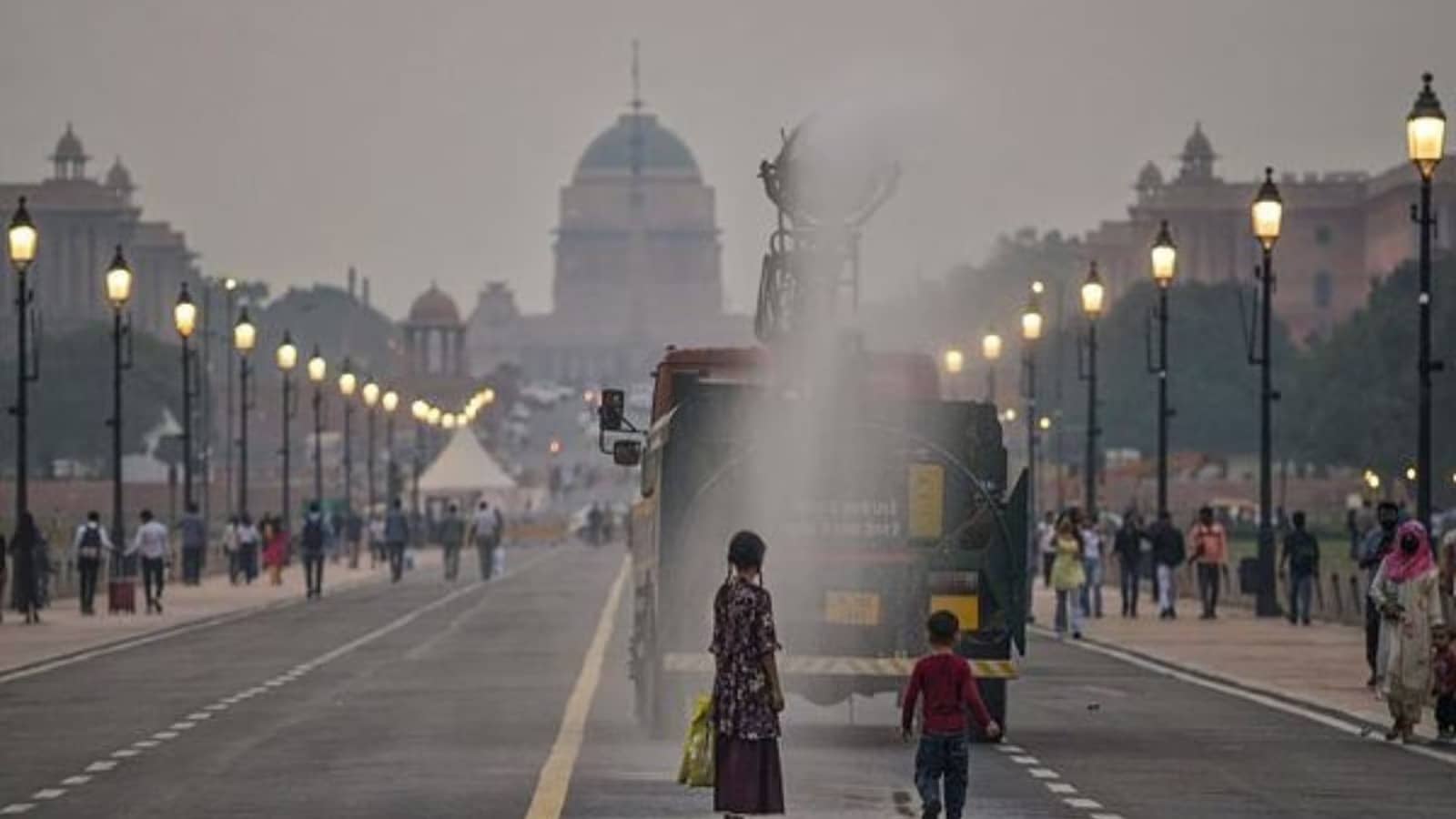
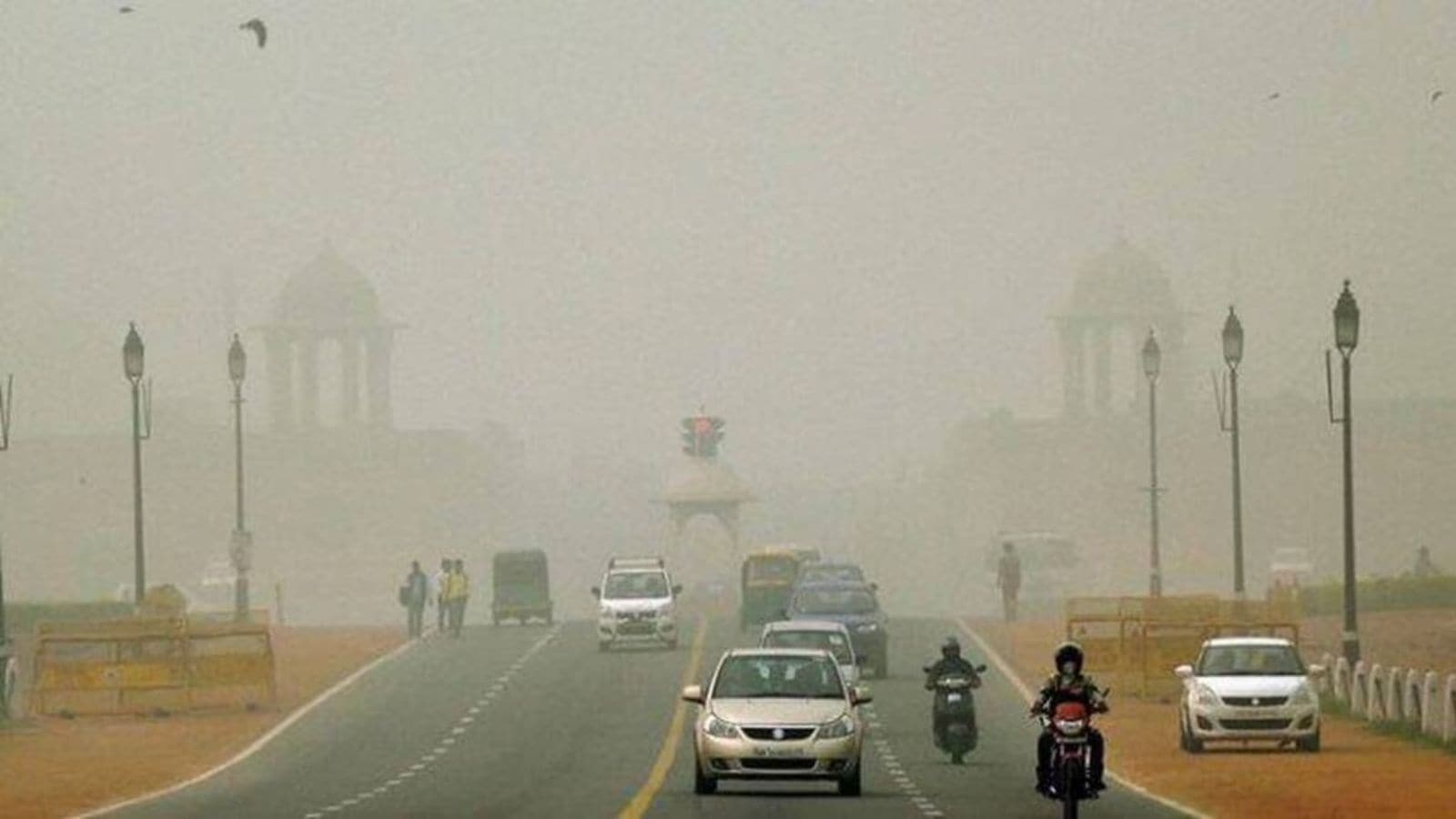
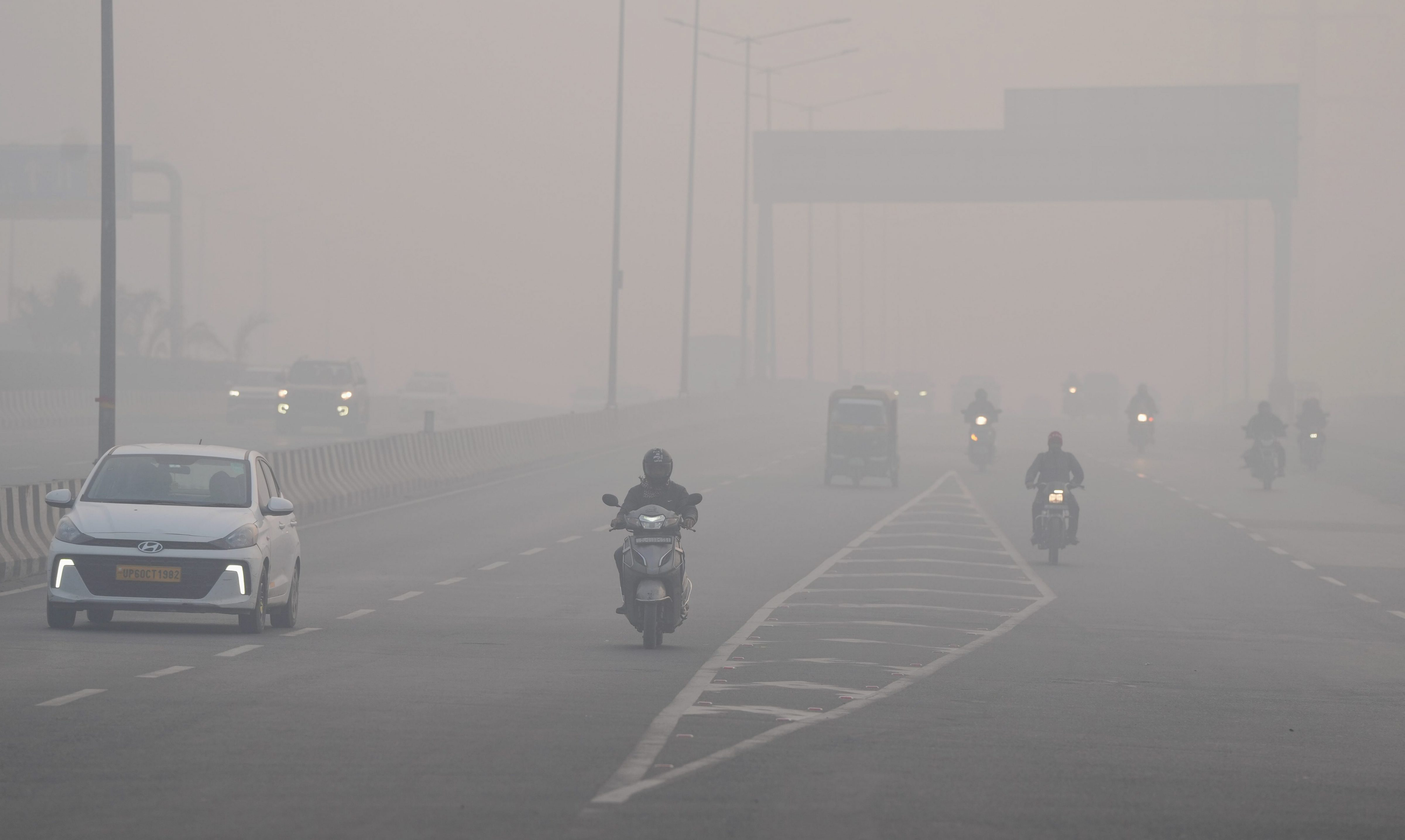
Delhi is experiencing very bad air quality, with some areas having extremely high pollution levels.
The air is so polluted that it is categorized as 'severe' in many places.
The government is taking steps to control the pollution, such as making sure vehicles have proper pollution control certificates and restricting older vehicles from entering the city.
They are also monitoring the situation closely and have allocated money to clean up water bodies, which can help improve the air quality.
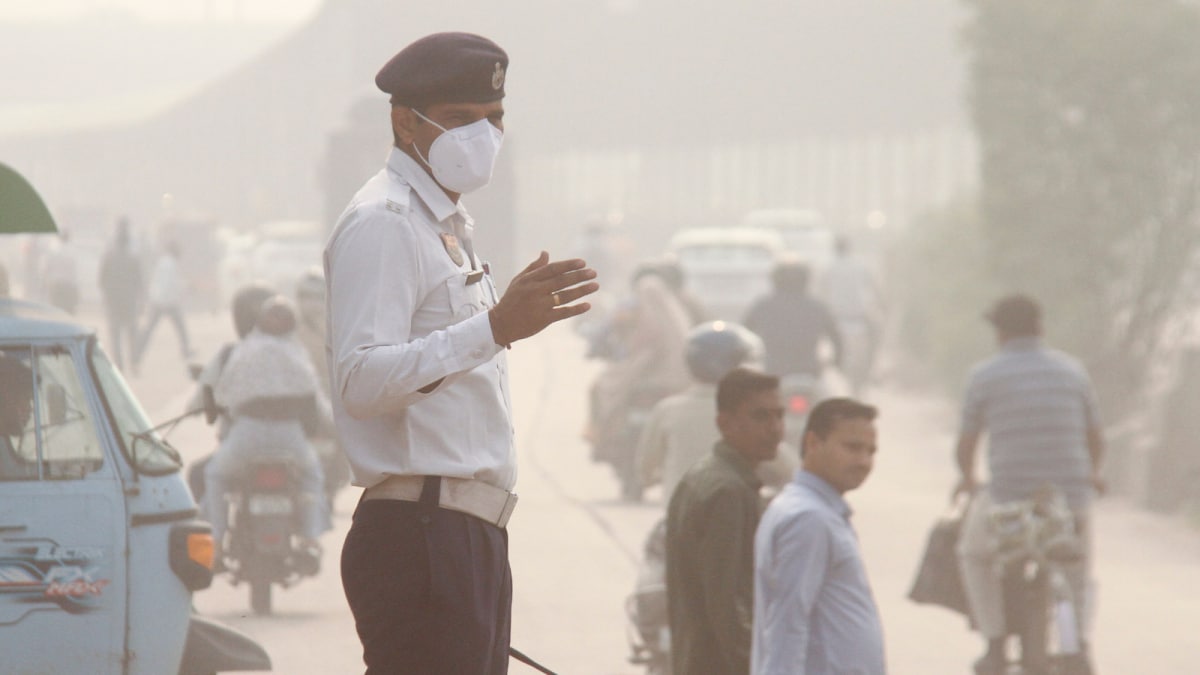
People, especially children and the elderly, are advised to stay indoors and wear masks when they go outside.
However, some government officials argue that there is no direct evidence linking air pollution to health issues, while environmental experts strongly disagree and point to the severe health impacts of pollution.
The current measures to combat pollution, known as GRAP, are seen as ineffective by some experts, who call for long-term solutions to address the root causes of pollution.

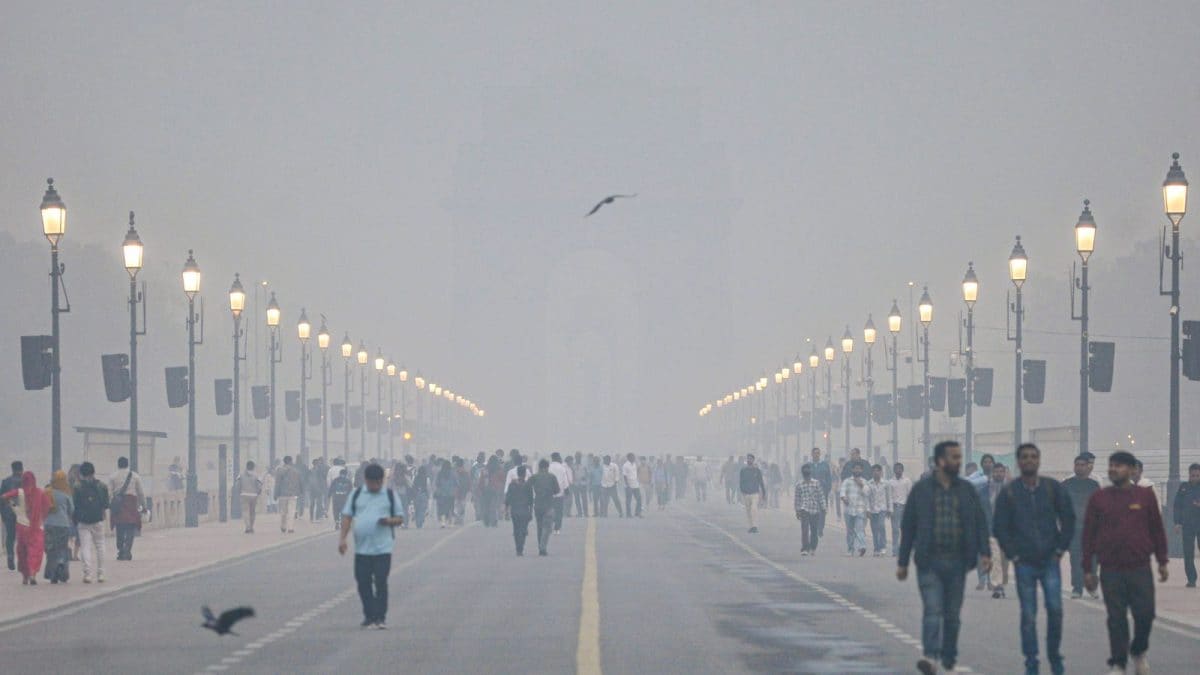
Delhi's air quality deteriorated to 'very poor' with an overall AQI of 391, and several areas recorded 'severe' AQI levels above 400.
Anand Vihar recorded the highest AQI of 445, followed by Nehru Nagar at 442, indicating hazardous pollution levels.
The Commission for Air Quality Management (CAQM) enforced Stage III measures under the Graded Response Action Plan (GRAP), including restrictions on construction and industrial activities.
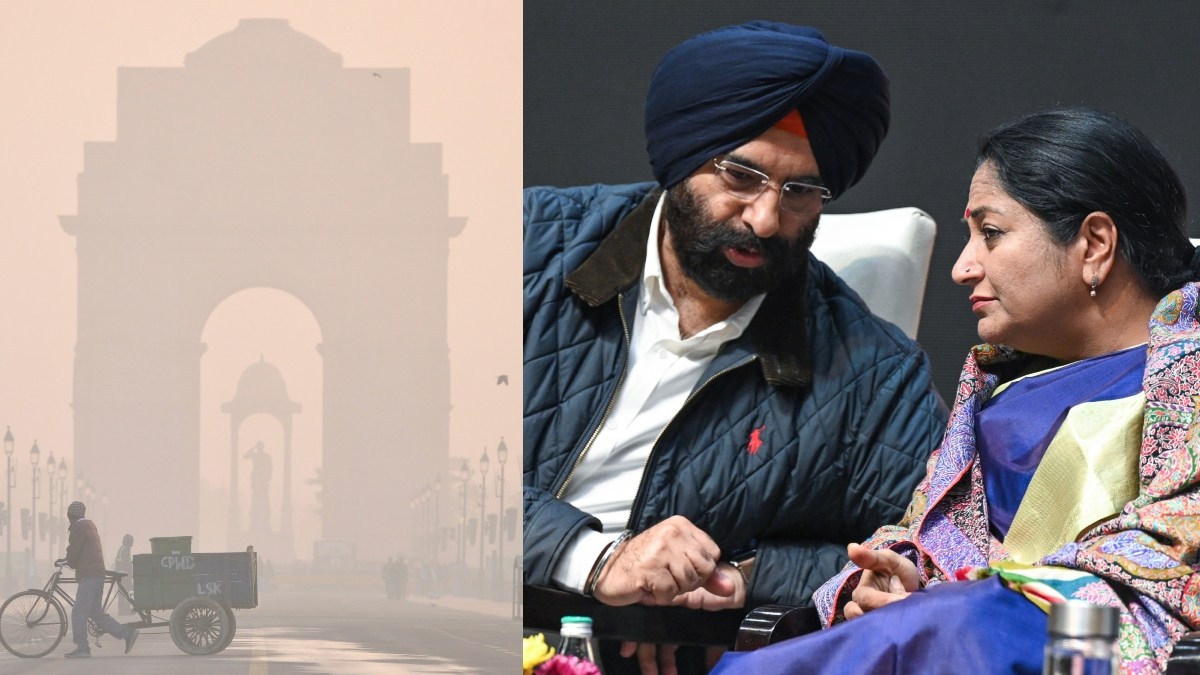
Delhi made two GRAP-4 rules permanent: no petrol for vehicles without a valid Pollution Under Control Certificate (PUCC) and restrictions on vehicles below Bharat Stage VI (BS6) emission norms entering Delhi.
The Delhi government allocated ₹100 crore for the rejuvenation of water bodies to improve environmental governance and combat pollution.
- Who
- Residents of Delhi, Commission for Air Quality Management (CAQM), Delhi Government, Union Ministers
- What
- Severe air pollution crisis with AQI crossing 400 in several areas
- When
- December 28, 2025
- Where
- Delhi, India
- Why
- Combination of cold weather, calm winds, and dense fog trapping pollutants, along with industrial pollution, vehicular emissions, road dust, construction dust, and emissions from power plants
Government Officials
Environmental Experts
Impact of Air Pollution
Government Officials
No direct correlation between higher AQI levels and lung diseases, with no conclusive data to establish such a link. Air pollution is just one of the triggering factors for respiratory ailments.
Environmental Experts
Air pollution directly accounts for many severe and chronic illnesses, including respiratory diseases, heart disease, and psychological and behavioural problems in children.
Effectiveness of GRAP
Government Officials
GRAP is a necessary emergency measure to combat air pollution in Delhi-NCR.
Environmental Experts
GRAP is an ineffective band-aid solution that only brings Delhi-NCR to a complete standstill and does not address the root causes of pollution.
- Organization
- Commission for Air Quality Management (CAQM)
- Location
- Delhi, India
- AQI
- 391 (Overall), 445 (Anand Vihar)
- Category
- Very Poor to Severe
- Measures Enforced
- Stage III under GRAP
- Permanent Rules
- No PUC, No Fuel; BS6 Emission Norms for Outside Vehicles
- Fund Allocation
- ₹100 crore for water body rejuvenation
- Annual Deaths Due to Air Pollution
- 2.3 million (IHME/Global Burden of Disease 2021–2024)
Sources
CAQM teams inspect 125 Gurugram roads, flag dust and open burning
Delhi makes two key GRAP-4 rules permanent to combat ‘severe’ pollution – All you need to know
Toxic Smog Engulfs Delhi As Air Quality Nears ‘Severe’; AQI Crosses 400-Mark In Several Areas
The Statesman
Dense Smog Engulfs Delhi: Air Quality Remains Hazardous As Pollution Inches Closer To ‘Severe’ Category; AQI Flares To 391
Delhi AQI close to ‘severe’, Noida past 400
Dense Smog Engulfs Delhi as Air Quality Remains Hazardous