

Archive · 23 Jul 2026
Silicon Valley startups fight to keep Chinese AI models
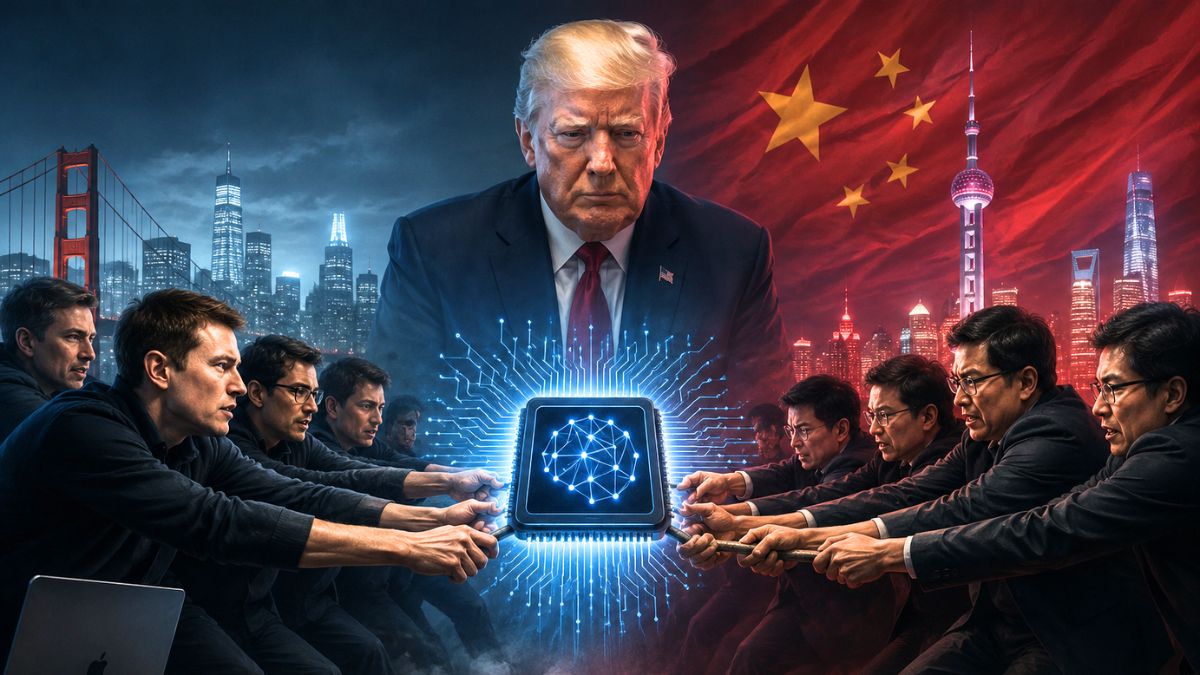
Silicon Valley startups are fighting to keep access to Chinese AI models because they are affordable and help them compete with bigger companies.
The US government is considering restrictions due to concerns about security and intellectual property theft.
Startups argue that banning these models would hurt innovation and make AI development more expensive.
Big AI companies like OpenAI and Anthropic might benefit from restrictions, but startups say it would concentrate power in their hands.
The debate is about balancing innovation and security in the AI industry.

Nearly 200 Silicon Valley startups and investors urge the Trump administration not to restrict access to Chinese open-weight AI models.
Startups argue that restricting Chinese models would cripple America's startup ecosystem and benefit big AI companies.
The US government is considering restrictions due to concerns about intellectual property theft and national security.
Kimi K3, a Chinese open-weight model, has impressed developers worldwide and raised concerns among US policymakers.
Nvidia CEO Jensen Huang rejects the idea of banning Chinese open-source AI models, arguing that they are excellent and should be used.
- Who
- Silicon Valley startups, investors, technology companies, US government, Big AI companies
- What
- Debate over restricting access to Chinese open-weight AI models
- When
- Ongoing, with increased urgency after the unveiling of Kimi K3
- Where
- United States, with implications for global AI development
- Why
- Concerns about national security, intellectual property theft, and the impact on the startup ecosystem
Startups and Investors
US Government and Big AI
Access to Chinese AI Models
Startups and Investors
Startups argue that restricting Chinese AI models would cripple America's startup ecosystem and concentrate power in the hands of a few big AI companies.
US Government and Big AI
The US government is considering restrictions on Chinese AI models due to concerns about intellectual property theft and national security.
Innovation vs. Security
Startups and Investors
Startups believe that open-weight models are crucial for innovation and affordability, allowing them to compete with larger rivals.
US Government and Big AI
The government argues that Chinese AI models pose cybersecurity risks and potential surveillance threats, justifying restrictions.
Economic Impact
Startups and Investors
Startups fear that restrictions would make AI development more expensive and limit their ability to innovate.
US Government and Big AI
The government is concerned about the economic impact of Chinese AI models on American companies and the potential for intellectual property theft.
- Number of Startups Involved
- Nearly 200
- Key Chinese AI Model
- Moonshot AI’s Kimi K3
- US Administration Concerns
- Cybersecurity, surveillance risks, intellectual property theft
- Proposed Restrictions
- Procurement restrictions, tighter licensing requirements, potential executive orders
- Nvidia CEO's Stance
- Rejected the idea of banning Chinese open-source AI models