9 months ago
Coriander: A Versatile Herb Essential to Indian Cuisine
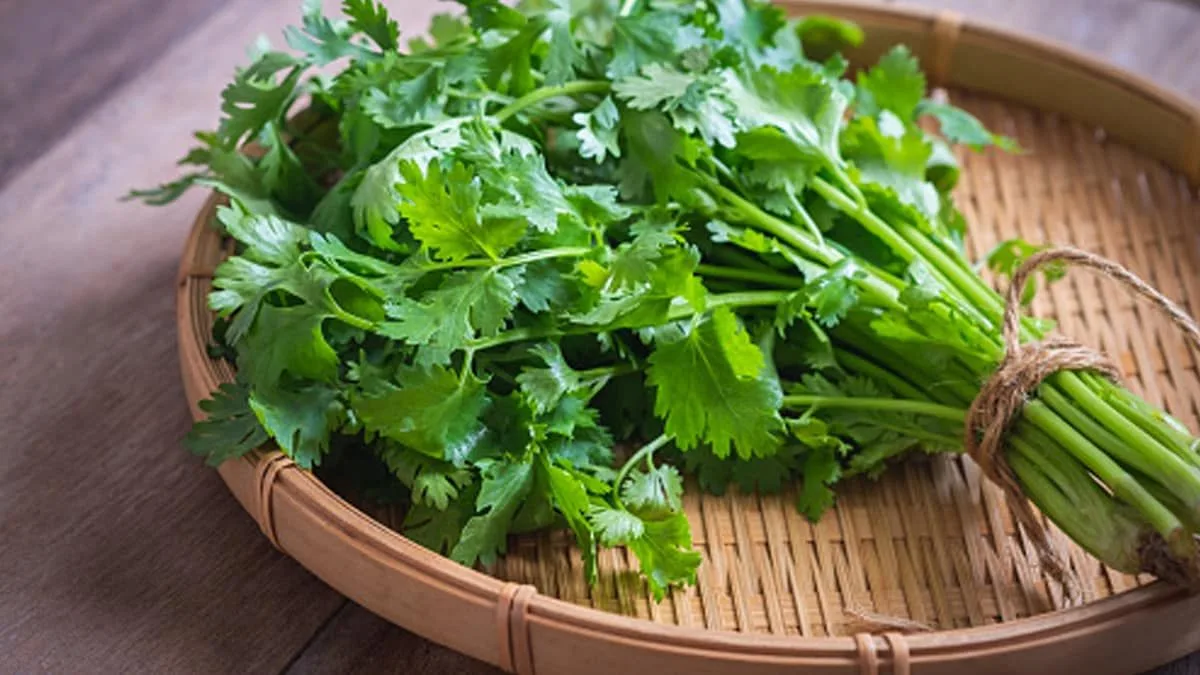
Imagine a special green leaf that tastes super fresh and is used in lots of yummy Indian foods, like dips and breads.
This leaf is called coriander, or dhania.
It's not just tasty; it also has healthy stuff inside, like vitamins, that help your tummy work well and keep your skin happy.
You can use the fresh leaves, the seeds, or even tiny baby plants called microgreens!
Chefs love coriander because it makes food look pretty and taste even better.
Some people even think it's so important it should be India's national herb!
It's different from cilantro, which is just the leaves, because coriander means the whole plant.

Coriander, known as 'dhania' in India, is a vital herb in Indian cuisine, used in various forms like fresh leaves, seeds, and powder.
It is incorporated into a wide array of dishes, from chutneys and parathas to curries and beverages, adding freshness and aroma.
Beyond its culinary uses, coriander offers significant nutritional benefits, including vitamins and minerals, and supports digestive and liver health.
Coriander microgreens are gaining popularity for their cooling properties and as a nutritious garnish.
Chefs and culinary experts praise coriander's versatility, with some advocating for it to be recognized as India's 'National herb'.
- Who
- Indian chefs, culinary experts, dieticians, and home cooks.
- What
- Coriander (dhania) is highlighted as a versatile and essential ingredient in Indian cuisine, valued for its culinary applications, nutritional benefits, and unique flavor.
- Where
- India, with specific regional dishes and culinary traditions mentioned.
- When
- Present day, with references to ancient wisdom and its continued relevance.
- Why
- Coriander's unique flavor profile, freshness, and potential health benefits make it a star ingredient, elevating dishes and inspiring culinary creativity.
Coriander vs. Cilantro
A Distinction
Definition
Coriander vs. Cilantro
Cilantro refers only to the fresh leaves.
A Distinction
Coriander encompasses the entire plant, including seeds and leaves, in various forms.
Key facts
- Culinary Uses
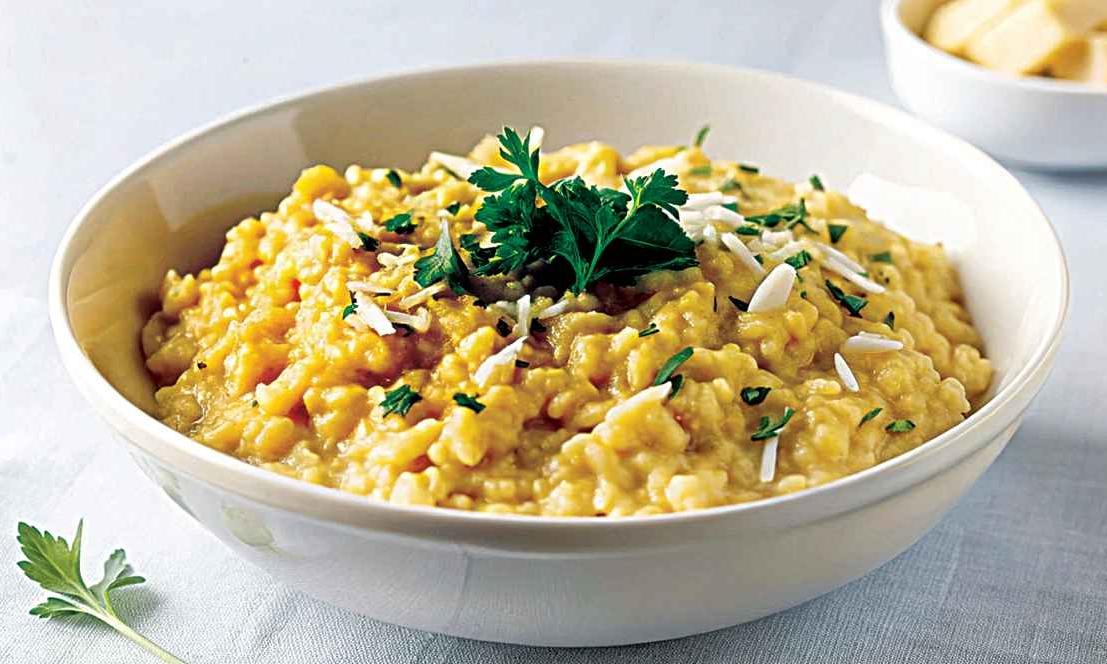
- Chutneys, parathas, raitas, tempering, kothimbir vadi, dhaniwal korma, tambuli, pachadi, thokku, curries, coriander risotto, hummus, breads, cookies, smoothies, salads, sandwiches, wraps, stir-fries, soups.
- Nutritional Content
- Vitamins A, C, K, folate, iron, calcium, magnesium, potassium, chlorophyll.
- Health Benefits
- Supports digestion, blood sugar, liver health, skin, insulin sensitivity, metabolism, cortisol modulation; reduces acidity.
- Forms
- Fresh leaves, seeds, powder, microgreens.
- Regional Indian Dishes
- Kothimbir Vadi (Maharashtra), Dhaniwal Korma (Kashmir), Kottambari Soppu Tambuli (Karnataka), Kothimeera Pachadi (Andhra Pradesh/Telangana), Kothamalli Thokku (Tamil Nadu), Hara Dhaniya choliya (Haryana).
Quotes
Chef Reetu Uday Kugaji
Culinary Expert & Chef Consultant
“In Maharashtra’s Kothimbir Vadi is made with fresh dhania, and in Kashmir, they make Dhaniwal Korma. Karnataka has Kottambari Soppu Tambuli, a soothing yoghurt preparation made with coriander leaves and coconut. Andhra Pradesh and Telangana feature Kothimeera Pachadi, a fiery chutney, while Tamil Nadu’s Kothamalli Thokku offers a tangy, slightly spicy preserve of coriander leaves. Haryana’s Hara Dhaniya choliya combines green chickpeas with coriander leaves and spice powders to create a curry.”
 deccanchronicle.com
“Sprinkle coriander microgreens over mixed greens, fruits, nuts, and seeds for added nutrition. Use them as a topping to add vibrant colour to any salad. Add coriander microgreens to sandwiches, wraps or in stir-fries, soups and smoothies.”
deccanchronicle.com
Celebrity Chef Ranveer Brar
Celebrity Chef
“No Indian dish is complete without coriander.”
deccanchronicle.com
Nikita Varma
Culinary Consultant & Content Creator from Delhi
“It’s amazing how one ingredient can do so much, whether it’s seasoning a curry, finishing a salad, or making any plate inviting.”
deccanchronicle.com
Anurag Bainola
Executive Chef, La Estoria, Goa IHCL
“It has evolved from a simple garnish to a star ingredient, inspiring chefs. Coriander adds balance, a hint of freshness, aroma, and a layer of complexity that lingers in green coriander noodles, coriander soup, coriander rice risotto, hummus, breads, cookies, and even smoothies. It bridges savoury and sweet with ease. It’s not just an herb or a spice anymore; it’s a creative canvas for modern gastronomy.”
deccanchronicle.com
Nikita More
Dietician, Functional Nutritionist
“Coriander is a healing herb that supports digestion, blood sugar, liver health, and skin from within. It is rich in vitamins A, C, K, folate, iron, calcium, magnesium, and potassium. Its chlorophyll and natural compounds improve liver function. Coriander helps improve insulin sensitivity, metabolism and cortisol modulation. The natural oils in coriander calm the stomach and reduce acidity. In functional nutrition, coriander is often called a system balancer. It supports gut, liver, hormones, and skin.”
deccanchronicle.com