Archive · 10 Sep 2026
Centre Offers Article 371(K) as Ladakh Powers Remain Unclear
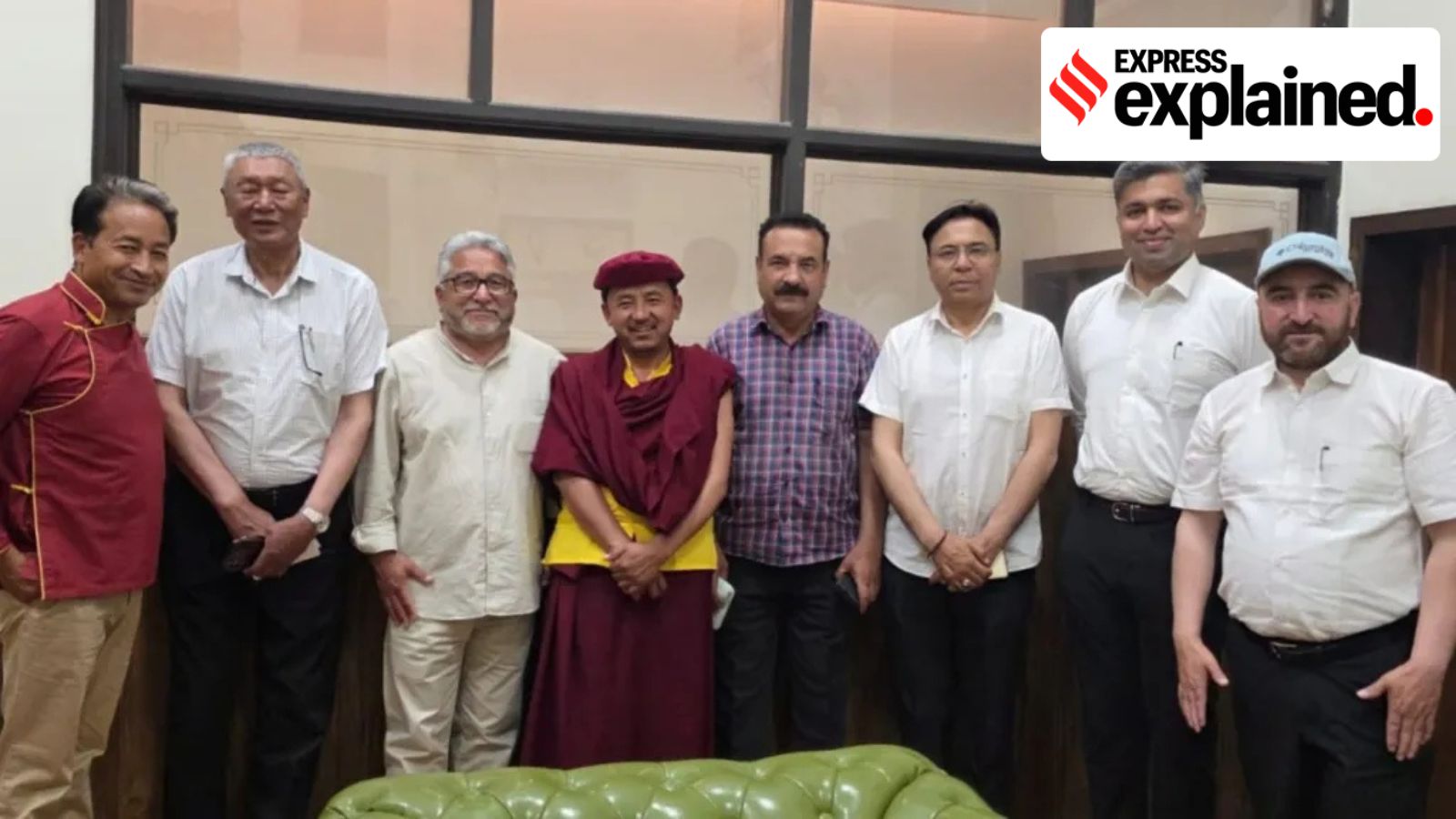
The government and Ladakh representatives met to discuss how Ladakh should be governed.
The government suggested creating a new constitutional protection called Article 371(K).
It could create an elected body for the whole Union Territory.
That body might make laws about land, culture, language, forests, the environment and natural resources.
Ladakh’s representatives want the body to control more areas, including money, planning, officials, police and law and order.
The government has not yet provided a written draft explaining exactly how the plan would work.
Ladakh has also asked for protest-related cases to be withdrawn and compensation for people affected by the September 2025 agitation.
More talks are expected in October, but Ladakh groups say they may protest against major changes before an elected body is created.

The Centre has proposed a new constitutional provision, Article 371(K), to provide additional protections for Ladakh.
The proposal would create a directly elected Union Territory-level body with legislative powers over land, culture, language, forests, environment and natural resources.
Ladakh representatives want executive, financial, planning, police and law-and-order powers, but these issues remain unresolved.
The proposal differs from Sixth Schedule protections, which create constitutionally defined autonomous district councils and have not been extended beyond the northeastern states.
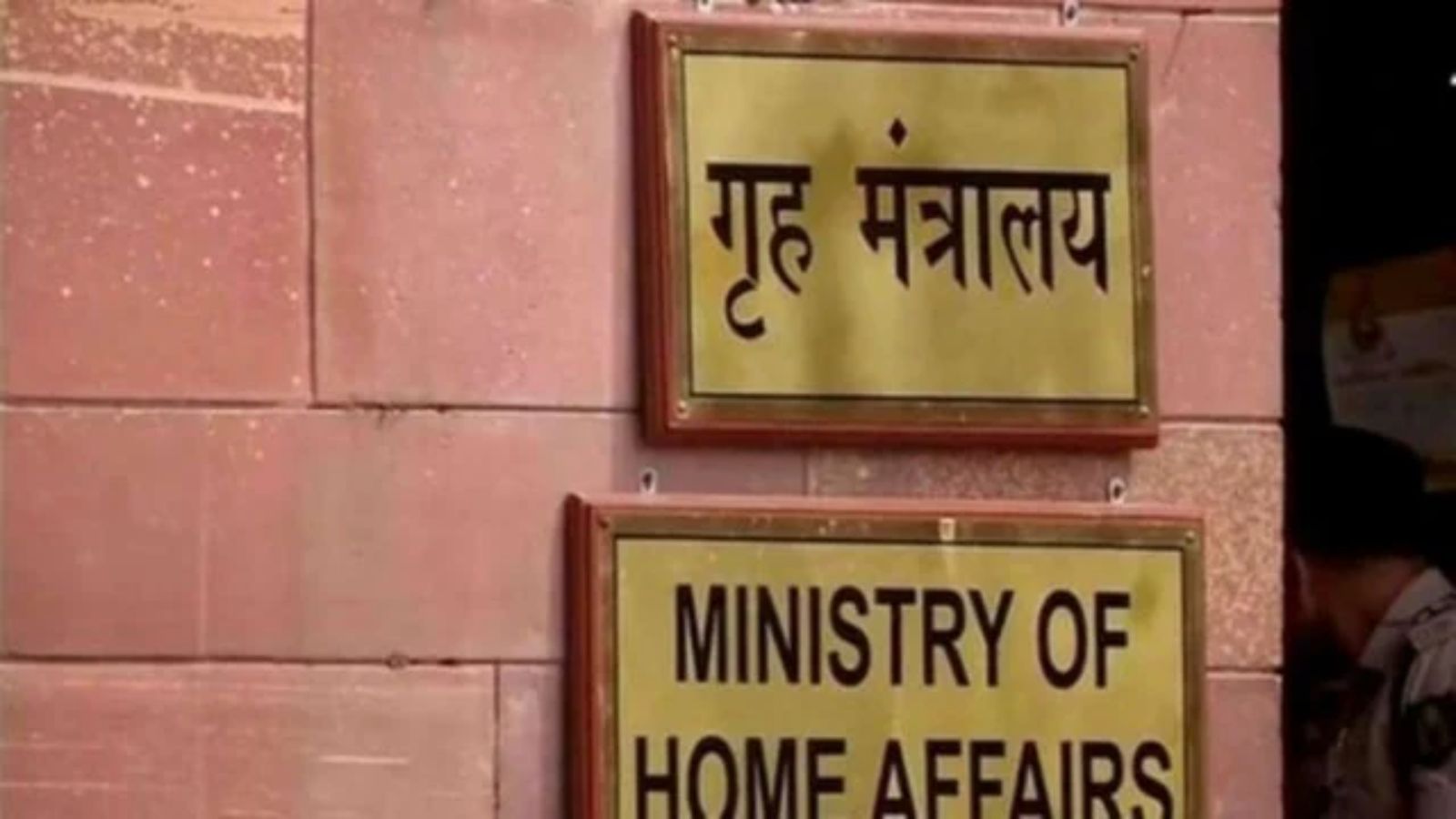
The Ministry of Home Affairs has discussed compensation and protest-related cases, with further talks and a draft Article 371(K) expected in October.
- Who
- The Ministry of Home Affairs met representatives of the Leh Apex Body and Kargil Democratic Alliance, including activist Sonam Wangchuk.
- What
- They discussed proposed constitutional protections under Article 371(K), an elected Union Territory-level body, and compensation and cases linked to the September 2025 agitation.
- When
- The meeting took place on a Wednesday, following earlier talks in May and July; further discussions are expected in the first week of October.
- Where
- The meeting was held in the national capital.
- Why
- The talks aim to address Ladakh’s demands for greater democratic control, constitutional safeguards and action related to the aftermath of the September 2025 agitation.
Ladakh Representatives
Central Government
Powers of the elected body
Ladakh Representatives
The Leh Apex Body and Kargil Democratic Alliance want executive, budgetary, planning and financial authority, along with control over police and law and order and supremacy over the bureaucracy.
Central Government
The Ministry of Home Affairs has proposed legislative powers over specified subjects but has left broader executive, financial and law-and-order powers for further discussion.
Constitutional safeguards
Ladakh Representatives
Ladakh representatives say the offer does not inspire confidence without a written draft explaining the content and powers of Article 371(K).
Central Government
The Centre has proposed a new constitutional provision and is expected to discuss a draft in further talks.
Administrative changes and protest cases
Ladakh Representatives
The Ladakh groups oppose irreversible changes before an elected Union Territory-level body is established and want all protest-related cases withdrawn at once.
Central Government
The Ministry of Home Affairs has reportedly discussed compensation and said the cases were being examined, without committing to immediate, complete withdrawal.
- Proposed provision
- Article 371(K), intended to provide additional constitutional protections for Ladakh
- Proposed governing body
- A directly elected Union Territory-level body with legislative powers
- Proposed subjects
- Land, culture, language, forests, environment, natural resources and subjects reserved for the Union Territory under Article 240
- Unresolved powers
- Executive, budgetary, planning, financial, police and law-and-order authority
- Sixth Schedule
- A constitutional framework for autonomous district councils that currently applies to tribal areas in Assam, Meghalaya, Mizoram and Tripura
- Protest response
- The Ministry of Home Affairs reportedly discussed compensation and said withdrawal of protest-related cases was being examined
- Next step
- Further talks in October are expected to include discussion of a draft Article 371(K)