

Archive · 29 Sep 2025
SAARC Revival: Challenges and Tensions in South Asia
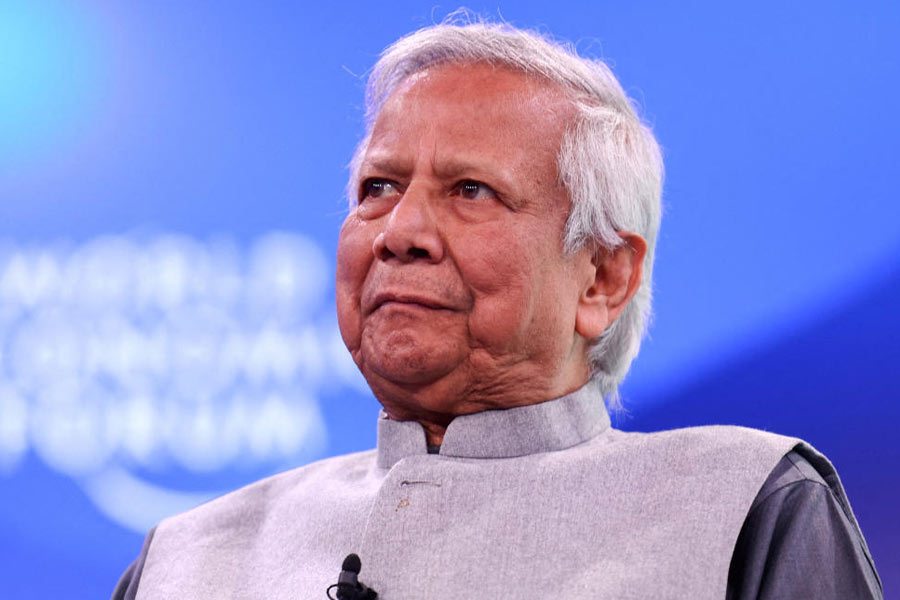
Imagine countries in South Asia trying to work together like friends.
They have a group called SAARC, but it's not working very well.
The leader of Bangladesh thinks India is making it hard.
They want to trade and help each other, like the European Union does, making life better for everyone.
But, to make it work, the countries need to be fair and friendly, not fighting or taking each other's things.
If they can agree on these rules, they can all become stronger together.
If not, SAARC will keep struggling, and things won't improve.

Bangladesh's interim leader blamed India for SAARC issues.
South Asia needs a platform like SAARC for cooperation and trade.
Increased global instability makes SAARC's role more important.
Cross-border trade in South Asia is currently negligible.
Adherence to basic principles is essential for successful regional integration.
- Who
- Leaders of South Asian nations, Muhammad Yunus
- What
- Discussion and challenges regarding the revival of SAARC
- When
- Meeting held last week
- Where
- New York, at the margins of the United Nations General Assembly session
- Why
- To address regional cooperation, trade, and integration within South Asia
Pro-SAARC Revival
Challenges to SAARC
Blame for SAARC Issues
Pro-SAARC Revival
Bangladesh's leader blamed India for derailing SAARC.
Challenges to SAARC
The article emphasizes that underlying tensions within South Asia as the fundamental issues.
- Organization Discussed
- South Asian Association for Regional Cooperation (SAARC)
- Key Figure
- Muhammad Yunus, Bangladesh's interim leader
- Focus
- Regional cooperation and trade in South Asia
- Notable Point
- Yunus blamed India for SAARC's issues.
- Potential Benefits
- Increased trade, bargaining power on global issues.
- Obstacles
- Underlying tensions, adherence to basic principles among member nations.