1 hr ago
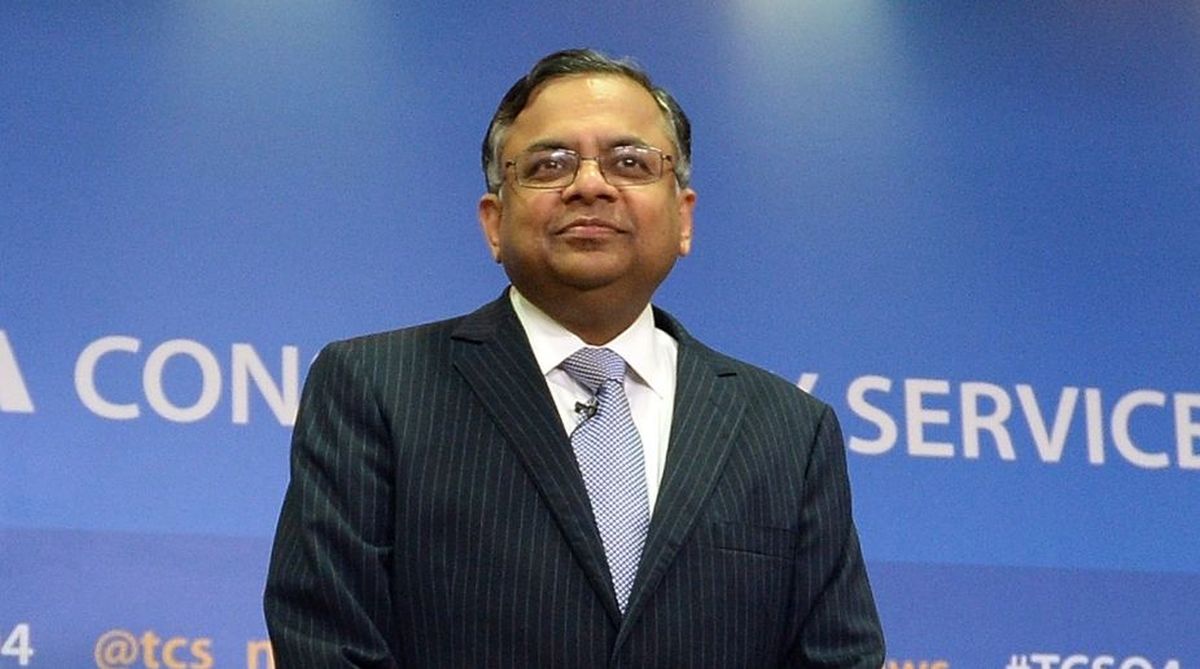
Tata Leadership Dispute Renews Family Business Governance Debate

Tata is a large group of companies with Tata Trusts as its biggest shareholder.
The trusts own 66 percent of Tata Sons, the company that helps oversee the group.
A disagreement over leadership has raised questions about who should guide Tata’s future.
Some experts say the dispute looks like a family-business disagreement, even though Tata is professionally managed.
In many Indian family businesses, relatives commonly work in the company and feel responsible for protecting it.
This is less common in many European and American businesses.
Experts also say independent directors can give useful advice, but only if the board listens to them.
The disagreement may involve different ideas about preserving Tata’s legacy, changing the business, and planning for the long term.

Tata Trusts holds 66% of Tata Sons, making its influence central to the leadership dispute.
Experts say the conflict resembles a family-business struggle despite Tata’s professionally managed structure.
Indian family businesses often involve relatives operationally, unlike many European and American firms.
Independent directors can offer neutral expertise but cannot help if boards disregard opposing views.
The dispute reflects tensions between Tata Trusts’ influence, professional management, legacy, and long-term strategy.
- Who
- Tata Trusts, Tata Sons, N Chandrasekaran, Noel Tata, and business academics including Lauren H. Cohen, Kavil Ramachandran, and Dalhia Mani.
- What
- A leadership and governance dispute at Tata has renewed debate over family influence, professional management, board independence, and control of the group’s strategy.
- Where
- The dispute concerns Tata Sons and the Tata Group, headquartered at Bombay House in Mumbai; the expert commentary includes Harvard Business School, the Indian School of Business, and the Indian Institute of Management Bangalore.
- When
- The articles do not specify a date; they describe the current Tata leadership dispute and Chandrasekaran’s proposed third term.
- Why
- The disagreement appears linked to Tata Trusts’ influence as Tata Sons’ largest shareholder and differing views over leadership, legacy, business change, and the group’s long-term direction.
Long-Term Trust and Legacy
Professional Management and Change
Who should shape Tata’s future?
Long-Term Trust and Legacy
Tata Trusts, as the largest shareholder, is seen by Kavil Ramachandran as seeking influence over the strategy and destiny of Tata group companies.
Professional Management and Change
Professional-management principles favor separating ownership from control and allowing company managers and boards to guide operations.
Legacy versus business growth
Long-Term Trust and Legacy
Owners may want to preserve assets and traditions that have importance across generations, potentially reflecting a longer, 100-year vision.
Professional Management and Change
Professional managers may support changes needed to expand the business, often using a shorter five- to 10-year decision-making horizon.
Role of independent directors
Long-Term Trust and Legacy
Independent directors can provide neutral, objective perspectives and expertise from other industries.
Professional Management and Change
Their influence is limited when they receive incomplete information or when a board is structured to disregard dissenting views.
Key facts
- Tata Trusts ownership
- Tata Trusts holds 66% of Tata Sons.
- Tata Sons’ role
- Tata Sons is the holding company of the Tata Group.
- Leadership dispute
- The dispute includes disagreement over N Chandrasekaran’s reappointment for a third term.
- Opposition on the board
- Noel Tata was identified as the only nominee director opposing Chandrasekaran’s reappointment.
- Independent directors
- Experts say independent directors can provide neutral views and outside expertise, but their effectiveness depends on how the board functions.
- Family-business comparison
- Experts contrasted Indian and Asian family businesses, where relatives often work operationally, with many European and American businesses.
- Listing question
- Lauren H. Cohen said listing Tata Sons could help raise capital for major projects but might reduce the company’s nimbleness.
Quotes
Kavil Ramachandran
Professor of entrepreneurship at the Indian School of Business
“In our context, members of Indian family businesses have considered it their birthright to work there and responsibility to take care of it.”
 rediff.com
Dalhia Mani
Professor at the Indian Institute of Management Bangalore
“However, the effectiveness of independent directors depends upon how well the board functions.”
rediff.com
Lauren H Cohen
Professor at Harvard Business School specializing in finance and family enterprise
“Also, a professional manager may have a horizon of five to 10 years in decision-making, but the family could feel the need for a 100-year vision.”
rediff.com
Sources
Related news

Tata Board Clash Deepens as Chandrasekaran Agrees to Stay
Tata Group Crises Expose Questions Over Governance and Control
Tata Sons Leadership Rift Deepens Over Control and Listing
Tata Sons Board Reappoints Chandrasekaran Amid Trusts Challenge
Tata Sons Battle Tests Trust Control and Listing

India's Week in Explainers: UPI Charges, Tariffs and More

Harish Salve Backs Tata Sons Listing Amid Governance Dispute